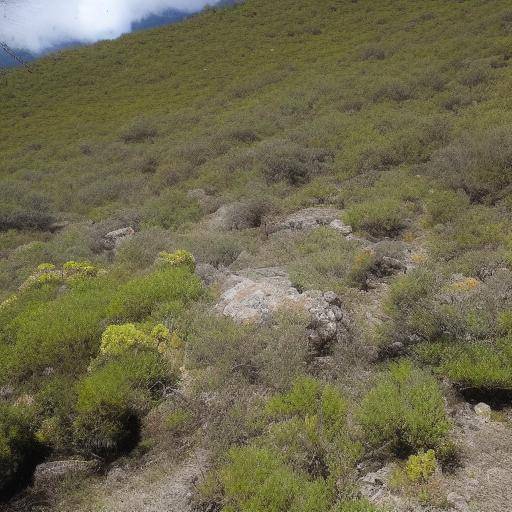
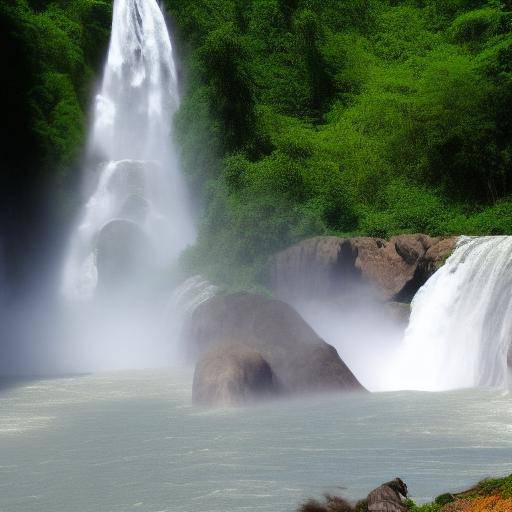
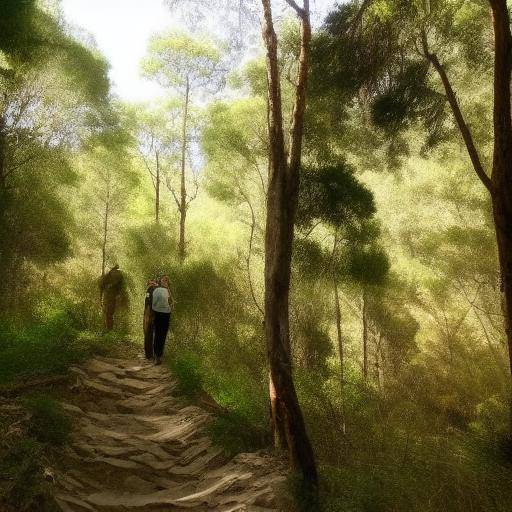
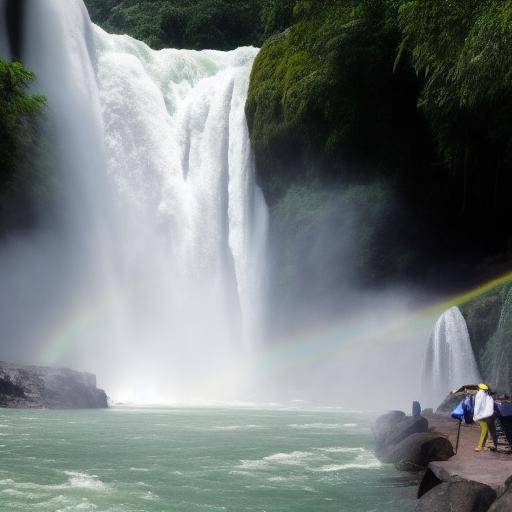
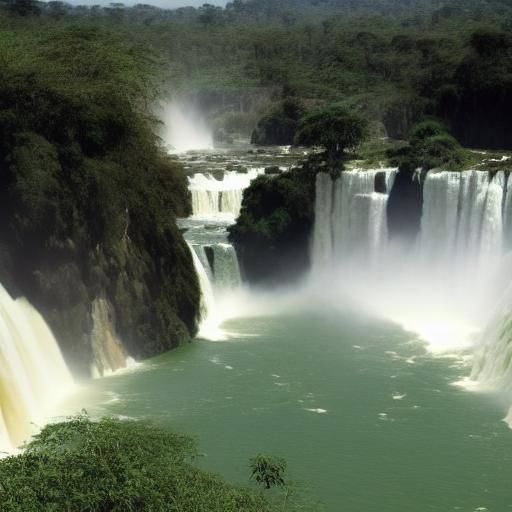
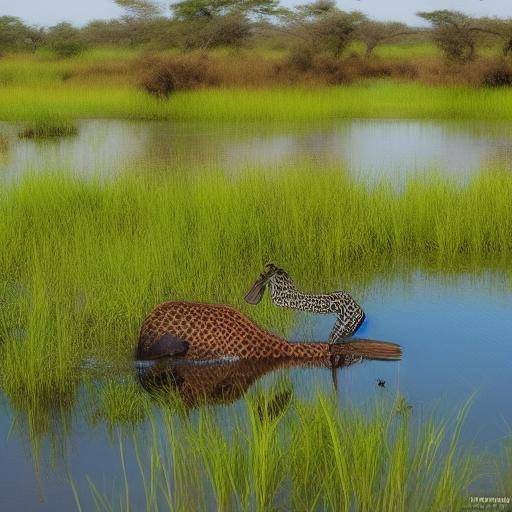
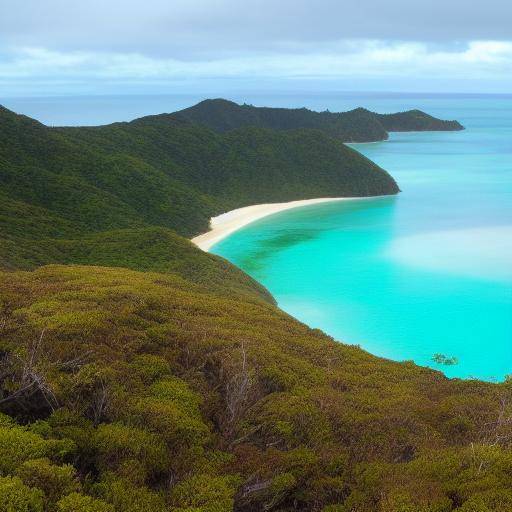
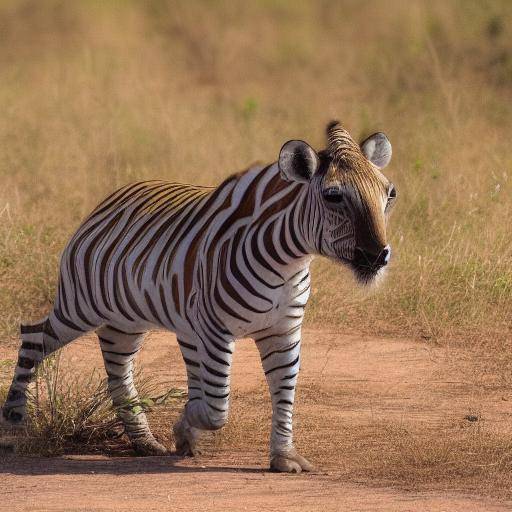
The majestic Victoria Falls, located in southern Africa, are an impressive show of nature that attracts travelers, researchers and lovers of fauna and flora. This article is a tour of the rich biodiversity that surrounds Victoria Falls, exploring the natural beauty, the fascinating fauna and the lush flora that make this environment an incomparable treasure.
Introduction
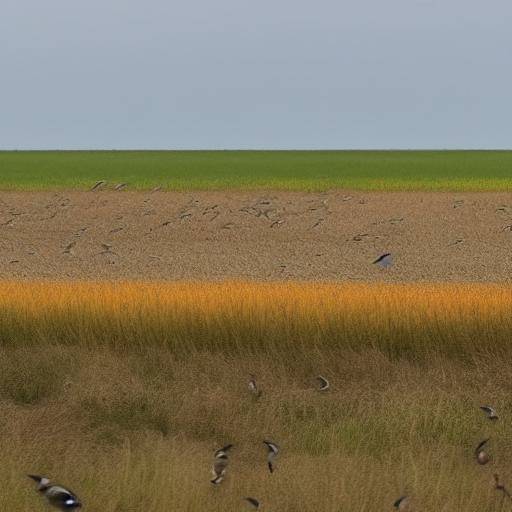
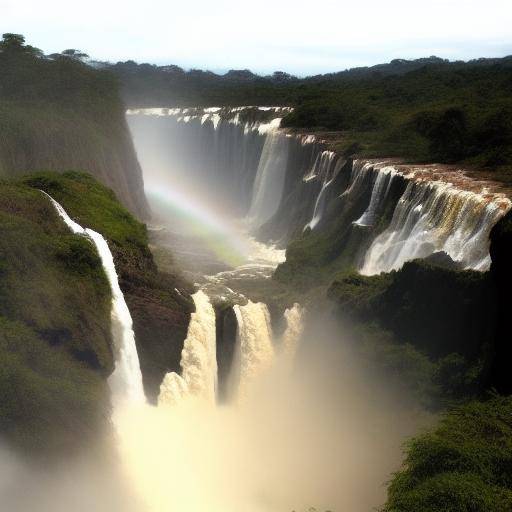
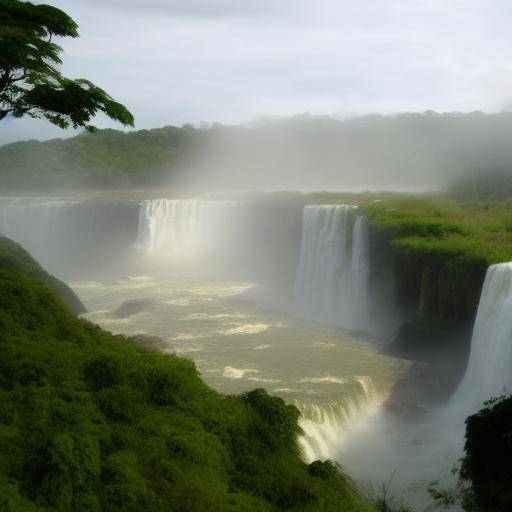
The Victoria Falls, known locally as "Mosi-oa-Tunya" ("The Thunder Smoke"), are a natural wonder located on the top of the Zambeze River, on the border between Zambia and Zimbabwe. This powerful waterfall, considered one of the Seven Natural Wonders of the World, is not only impressive due to its spectacular fall of more than 100 meters, but also the diverse and vibrant ecosystem around it. In this article, we will explore the rich variety of wildlife that inhabits in the vicinity of Victoria Falls, from majestic elephants to colorful birds, passing through a lush vegetation that takes place in a unique setting.
History and Background
Victoria Falls have been an attraction centre for centuries. Inhabited by local communities such as the Batonga, these cataracts have been a symbol of natural beauty and source of life. Over time, his fame transcended borders, attracting explorers and adventurers who were perplexed by the magnificence of this natural spectacle. During the colonial period, the Victoria Falls became a popular destination for European travelers, leading to the creation of tourist infrastructures that contributed to their world renowned.
Analysis in Deep
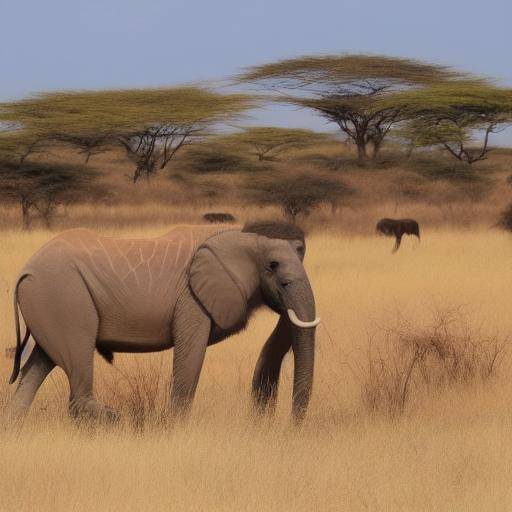
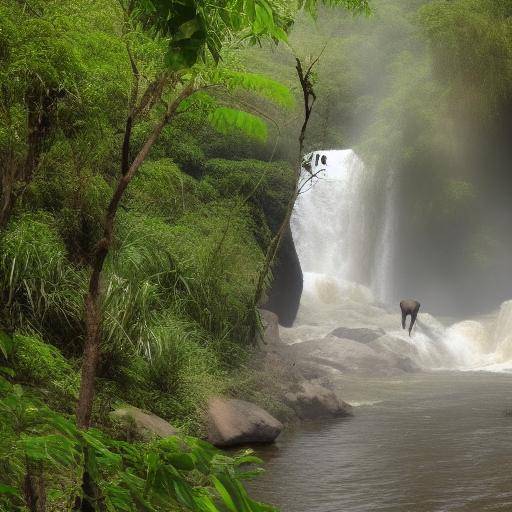
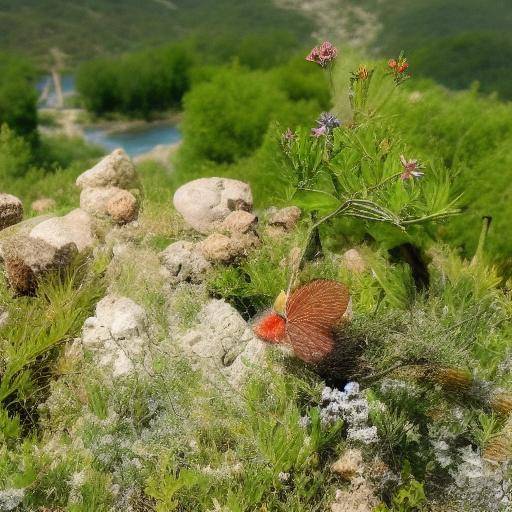
The environment surrounding Victoria Falls hosts a unique diversity of wildlife. From herds of elephants looking for water and food on the banks of the Zambeze River, to the majestic fisherman eagle that climbs the skies in search of prey, the fauna of the region is truly amazing. In terms of flora, the surrounding vegetation is equally impressive, with a range of trees, bushes and plants that thrive in this unique ecosystem.
Comprehensive review
The ecosystem surrounding Victoria Falls is essential for the conservation of numerous species. In addition to being a natural spectacle, its importance as a habitat for wildlife is invaluable. The preservation of this environment is not only crucial for the survival of local species, but also has an impact on ecological stability at the regional level.
Comparative analysis
By comparing the diversity of flora and fauna that surrounds Victoria Falls with other natural environments, it becomes evident that this is a unique place in terms of biodiversity. The combination of cataracts, the Zambeze River and the surrounding savanna creates an ecosystem that allows the coexistence of a wide variety of species.
Practical Tips and Accessible Recommendations
If you plan to visit Victoria Falls to explore wildlife and nature, it is important to take into account some practical recommendations. First, it is essential to respect conservation regulations and not disrupt wildlife. In addition, having a local guide can greatly enrich the experience, as they provide detailed information on local flora and fauna.
Industry Perspectives and Expert Reviews
To better understand the importance of conserving this unique environment, it is essential to consider the perspectives of conservation and wildlife experts. Their views provide a more comprehensive view of the challenges and opportunities surrounding the protection of this valuable ecosystem.
Cases of Study and Applications in Real Life
Exploring cases of study that demonstrate the interaction between human beings and wildlife around the Falls Victoria can shed light on how we can coexist in a sustainable way with nature. These practical examples show how conservation and development can work in harmony to ensure the long-term preservation of this natural heritage.
Future Trends and Predictions
As the world faces increasingly pressing environmental challenges, it is crucial to consider future trends in wildlife conservation in environments such as Victoria Falls. Predictions on how the interaction between human beings and nature will evolve provide a vision of what we can expect in the coming years.
Conclusion
Victoria Falls are much more than a natural show: they are a dynamic and vital ecosystem with amazing biodiversity. The flora and fauna that prosper in this unique environment remind us of the importance of preserving and protecting nature. By understanding and appreciating the wealth of wildlife that flourishes around Victoria Falls, we can motivate ourselves to act for its conservation, ensuring that future generations can also marvel at this natural wonder.
Frequently asked questions
What kind of fauna can be observed in the vicinity of Victoria Falls?
The region offers an impressive diversity of wildlife, including elephants, hippos, crocodiles, giraffes, buffaloes, lions, leopards, various species of antelopes and a wide variety of birds.
What is the best time of the year to watch wildlife in Victoria Falls?
The dry season, which runs from May to October, is ideal for wildlife observation, as animals tend to gather near more accessible water sources.
What are the most important threats to the fauna that dwells in the vicinity of Victoria Falls?
Poaching, loss of habitat due to human expansion and conflicts between wildlife and local communities are significant challenges facing wildlife in this region.
What measures are being taken to preserve wildlife near Victoria Falls?
Conservation programmes are being implemented, including poaching, environmental education, and ecotourism promotion as a sustainable way of supporting wildlife conservation.
What is the role of local communities in protecting wildlife around Victoria Falls?
Local communities play a crucial role in wildlife conservation by participating in conservation, natural resource management and sustainable projects that promote harmonious coexistence between people and wildlife.
How can I contribute to wildlife conservation in the Victoria Fall region?
Supporting conservation projects, respecting environmental regulations, and opting for sustainable tourism practices are some ways in which visitors can contribute to wildlife conservation in the region.
Concluding, wildlife around Victoria Falls is a testimony to the beauty and impressive diversity that nature can offer. The conservation of this ecosystem is not only crucial to the survival of unique species, but also a commitment to the preservation of an invaluable natural legacy for future generations. By understanding and valuing the richness of wildlife that flourishes in this unique environment, we can work together to ensure their protection and, thus, ensure that Victoria Falls remain a place of wonder and admiration for future generations.