
Introduction
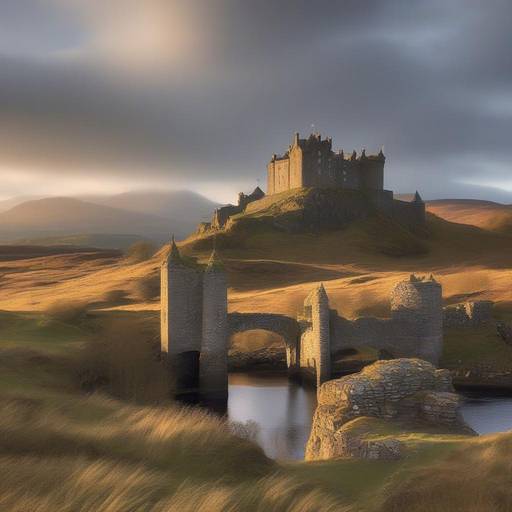
Whiskey, one of the most appreciated and venerated alcoholic beverages around the world, has its roots deeply rooted in Scotland. Its fascinating history and evolution over the centuries are intertwined with the cultural wealth and craftsmanship of this land. In this article, we will explore the exciting journey of whisky, from its humble beginnings in Scotland to its outstanding presence on the global scene. We will discover its history, its complexities and deep ties to the land that saw it born.
Origins and Whiskey Evolution
Whiskey, a distilled alcoholic beverage that matures in wooden barrels, has its origins in Scotland, with evidence dating from the 15th century. The medieval monks were pioneers in distilling aguardiente of cereals, the forerunner of modern whisky, in order to create medicinal remedies and spurious elixires. Over the centuries, the distillation of whisky was perfected and became a central activity for many Scottish rural communities. Over time, Scotland became the world epicenter of whisky, with its meticulous production and its immaculate artisanal legacy.
The evolution of Scottish whisky was marked by various milestones, from the legalization of distillation in the 16th century to the development of different styles and varieties, such as the famous malt whisky and grain whisky. Scotch whisky has transcended the borders, becoming an emblem of tradition and good taste.
The Wisdom and the Art of Scottish Distilation
The distillation of whisky is an art that has been perfected over generations, transferring secrets and techniques that make up the very essence of the golden liquid. The distinctive character of Scottish whisky can be attributed to a number of factors, including pure water of crystalline springs, malted barley and peat used in malting. These elements, combined with the skill of the distillating teachers, give whisky its aromatic complexity and its unmistakable taste.
Global Influence of Scotch Whiskey
Scotch whisky has transcended borders, conquering palates and hearts in all corners of the world. Its prestige and popularity extend to countless cultures, making it a celebrated masterpiece of distillation. At present, many Scottish distilleries open their doors to tourism, giving visitors the opportunity to immerse themselves in the magic and mysticism surrounding Scottish whisky.
Scotland's Legacy in the Whiskey World
Scotch whisky is not only a source of pride for Scots, but it also represents a lasting monument to the passion, patience and dedication of distillating teachers. His legacy endures in every sip, every anecdote and every toast around the world. The history of Scottish whisky is a testimony of artisanal excellence and the intimate connection between the earth and the human spirit.
Conclusion
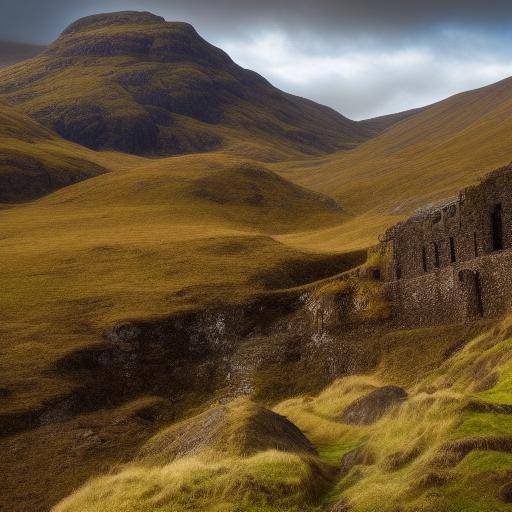
Scottish whiskey, rooted in the history and tradition of Scotland, continues to captivate lovers of spirits with its timeless elegance and unmatched taste. His legacy will endure for generations, weaving an eternal bond between Scotland and the world. From the rough highlands to the farthest confines, Scottish whiskey reflects the very essence of its homeland: a harmonious fusion of history, passion and distilled perfection.
Frequently asked questions (FAQs)
- What is the difference between Scottish whisky and other types of whisky?
- Scotch whisky is differentiated by its distillation process, ingredients and aging requirement in oak barrels for at least three years in Scotland. In addition, the peat used in the drying of the malted barley gives a distinctive smoky flavor.
- What are the main types of Scot whisky?
- The main types are malt whisky (single malt), grain whisky (single grain), blended malt, blended grain and blended whisky (a mixture of malt and grain).
- What makes Scottish water special for the distillation of whisky?
- Scottish water, derived from local springs and rivers, is known for its purity and low mineral content, which contributes to the quality and taste of whisky.
- What are the oldest distillery in Scotland?
- Some of the oldest distilleries include The Glenlivet, founded in 1824, and The Macallan, established in 1824, both with a long history of high-quality whisky production.
- How do you recommend enjoying a good Scottish whisky?
- It is recommended to enjoy it alone, with a little water to open the flavors, or with ice, depending on the personal preference. You can also enjoy classic cocktails like Old Fashioned or Rob Roy.
Explore the rich tradition of Scottish whisky and discover for yourself why this distilled drink has captured the hearts and palates of people all over the world. Silence mhath!