Introduction
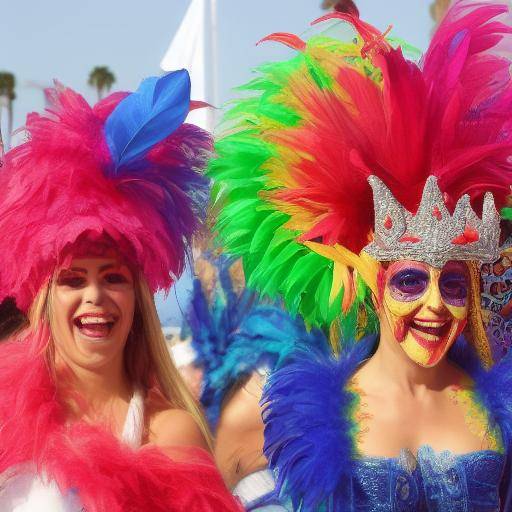
Spain, a country rich in history, culture and traditions, is home to unique festivals that reflect the diversity and joyful spirit of its people. In this article, we will explore the rich festive tradition of Spain, ranging from religious celebrations to colorful regional parties. We will discover the history, cultural importance and peculiarities of several Spanish festivals, offering an integral vision of how these holidays contribute to national identity and attract tourists from around the world.
History and Background
The festivals in Spain have deep roots dating back centuries. The fusion of multiple cultures, including Roman, Arab and Jewish, has shaped the country's festive tradition. Religious holidays play a significant role in Spanish life, with events such as Holy Week, a celebration of the passion, death and resurrection of Jesus Christ that takes place in many cities with impressive theatrical processions and performances.
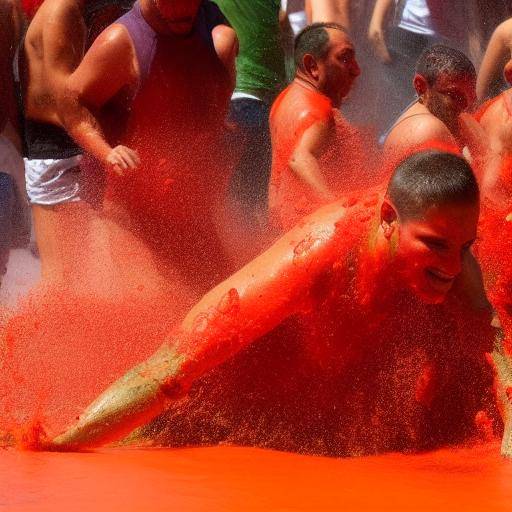
In addition to religious holidays, Spain is known for its vibrant regional holidays. The Fallas de Valencia, the Feria de Abril de Sevilla, and the Festival de San Fermín in Pamplona are emblematic examples of festivals that attract visitors from around the world. These events celebrate local traditions, including fireworks, parades, dances and competitions.
Analysis in Deep
Despite the cultural and tourist importance of the festivals in Spain, there are challenges they face. The balance between preserving authenticity and adapting to contemporary changes is a key consideration. In addition, the management of the influx of tourists and the environmental impact of these events are important issues that require attention.
Comprehensive review
The festivals of Spain not only offer entertainment, but also have a significant economic impact by promoting tourism and promoting local culture. The diversity of festivals throughout Spain reflects the country's cultural richness, demonstrating the connection between entrenched traditions and contemporary creative expression.
Comparative analysis
Although Spanish festivals share similarities in terms of festive celebrations and activities, each has its own cultural peculiarities and meanings. By comparing these events, there is a deeper understanding of the varied cultural wealth of Spain.
Practical Tips and Accessible Tips
To fully enjoy the experience of festivals in Spain, it is advisable to plan ahead and take into account certain practical aspects. Make sure you know the dates and places of events, as well as familiarize yourself with local customs, will ensure more enriching participation.
Industry Information and Expert Reviews
Experts on tourism, cultural anthropology and event management offer valuable insights on festivals in Spain. Their views provide clarity on the current challenges and future potential of these traditional celebrations.
Case Studies and Real Life Applications
Examine specific cases of how festivals have impacted local communities and promoted cultural identity offers a practical view of the importance of these events.
Future Trends and Predictions
As social and cultural dynamics evolve, it is crucial to consider how the festivals in Spain will adapt and remain relevant in the future. Sustainability, technological innovation and preservation of traditions will be key areas of focus.
Conclusion and Frequently Asked Questions
The festivals in Spain are much more than celebrations; they are a vibrant manifestation of the cultural identity and the festive spirit of the country. In exploring these festivities, we discover the wealth and diversity of traditions that have resisted the test of time. We hope that this article has given a deeper understanding of Spain's rich festive tradition and inspired readers to immerse themselves in the magic of these unique festivals.
Frequently asked questions
**1. What are some of the best known festivals in Spain?**Spain hosts a wide range of festivals, from Easter and the Feria de Abril to regional festivals such as the Fallas de Valencia and the Festival de San Fermín in Pamplona. These events celebrate various traditions and offer unique experiences for visitors.
**2. How can I prepare to participate in a festival in Spain?**It is advisable to investigate in advance the specific dates, locations and customs of the festival you plan to attend. In addition, getting familiar with the cultural context and practical considerations, such as accommodation and transportation, will improve your experience.
**3. What is the economic impact of festivals in Spain?**Festivals in Spain have a significant impact on the local and national economy by boosting tourism, generating temporary employment and promoting the sale of related products and services.
**4. What are some challenges facing the festivals today?**The sustainable management of resources, the preservation of cultural authenticity, and the massive influx of tourists are key challenges facing the festival organizers in Spain.
**5. How do festivals contribute to the preservation of the cultural heritage of Spain?**Festivals play a crucial role in the promotion and preservation of local traditions, contributing to the intergenerational transmission of Spain's cultural heritage.
**6. What future trends are anticipated in the field of festivals in Spain?**Festivals in Spain are expected to adopt more sustainable approaches, integrate innovative technologies to improve visitor experience, and continue to demonstrate the country's cultural diversity.
In conclusion, festivals in Spain are much more than festive events; they represent the very essence of Spanish culture and identity. By immersed in these unique celebrations, visitors are immersed in an experience that merges history, tradition and fun.