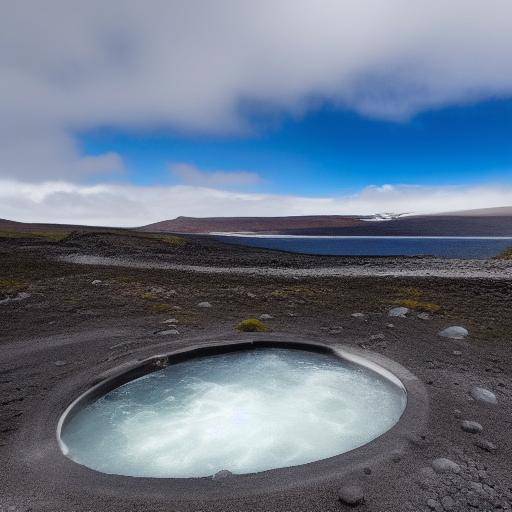
Winter in Iceland is not only synonymous with cold, but a unique experience full of adventures and natural beauty. The combination of spectacular Icelandic nature and exciting activities make this destination a fascinating place to visit during the coldest months. In this article, we will explore the wonders that Iceland offers in winter, the adventure experiences available, and how to plan an unforgettable trip to this amazing country.
Introduction
Winter in Iceland is a magical moment in which the earth becomes a snowy landscape of absolute beauty. The days are short, but the lush nature and the northern lights offer a dazzling vision. From amazing frozen waterfalls to hot springs, Iceland in winter offers a unique combination of natural experiences and exciting adventures. In this article, we will explore the main attractions, activities and tips to enjoy a winter trip in Iceland.
History and Background
Iceland, known as the land of ice and fire, has a rich and fascinating history dating back centuries. From its first Viking settlements to its independence in the 20th century, the country has experienced significant events that have shaped its identity. The influence of nature on Icelandic culture and its impact on everyday life are interesting aspects to explore when planning a winter trip.
In-Depth Analysis
Winter in Iceland presents unique challenges and opportunities. The short daylight, snow roads and unpredictable weather conditions should be taken into account when planning outdoor activities. At the same time, natural wonders, such as the famous boreal auroras, ice caves and glaciers, make it worth exploring the country at this time of the year. Understanding environmental and climate factors is essential to ensure that winter adventure is safe and pleasant.
Comprehensive review
Winter in Iceland offers the opportunity to participate in exciting outdoor activities, such as glacier walks, snowmobiles and baths in thermal waters. Making the most of these experiences requires careful planning and knowledge of available options. From cozy accommodations to guided tours, to know the best practices and tips to enjoy nature and adventure in Iceland is essential to ensure an unforgettable trip.
Comparative analysis
Compare winter in Iceland with other seasons of the year reveals significant differences in terms of activities and experiences. Nature becomes completely, offering landscapes that change drastically from one month to another. Adventure in the winter offers the opportunity to witness unique natural phenomena, such as the formation of ice sculptures and the spectacular dance of the northern lights. Compared to other winter destinations, Iceland stands out for its combination of natural beauty and exciting adventures.
Practical Tips and Useful Tips
When planning a winter trip to Iceland, it is crucial to take into account aspects such as the right equipment, safety in adverse weather conditions and the necessary precautions when exploring natural environments. In addition, knowing the best times to witness the boreal auroras and activities available in different regions of the country allows you to maximize the experience. This segment will provide essential information such as travel checklists, packaging suggestions and guidance on itinerary planning.
Industry ideas and expert opinions
The views of travel and adventure experts in Iceland offer a valuable insight into current and future trends. Understanding how winter tourism evolves in Iceland, innovations in activities and experiences and the expectations of travelers helps to contextualize the changes in the landscape of adventure tourism and how winter travel in Iceland is adapting to modern demands and expectations.
Case Studies and Applications in Real Life
Winter trips in Iceland not only offer exciting adventures, but also opportunities to understand the relationship between nature, culture and sustainable tourism. Studying specific cases of tourist operators, local communities and individual travelers gives a detailed perspective on how winter trips contribute to Iceland's economic and cultural development. In addition, analysing lessons learned from past experiences or successful cases provides a practical guide for those who wish to plan a winter trip in Iceland.
Future Trends and Predictions
In considering current trends and projections for the future, it is possible to anticipate how winter travel in Iceland will evolve. From the use of technology to improve traveler experience to the development of new destinations and activities, exploring future trends offers a valuable insight for those who wish to participate in this unique form of tourism. In addition, understanding how changes in climate and environmental awareness can influence future winter experiences in Iceland provides an enlightening perspective on the long-term landscape.
Conclusions and FAQs
Conclusions
Winter in Iceland offers an incomparable combination of natural beauty and exciting adventures. From the majesty of glaciers to the warmth of the thermal waters, this destination invites visitors to immerse themselves in a world of winter wonders. With careful planning and proper knowledge, winter trips in Iceland promise unforgettable experiences that will last in the memory of those who venture into these lands.
Frequently asked questions
- What is the best time to visit Iceland in winter?
- The winter season in Iceland usually goes from November to February, being December and January the ideal months to witness the impressive boreal auroras.
- What outdoor activities are popular during the winter in Iceland?
- Activities such as glacier hikes, snowmobiles, and whale watching are some of the most sought-after experiences.
- How can you properly prepare for Iceland's weather conditions in winter?
- It is crucial to wear warm and waterproof clothing, footwear suitable for snow, and to respect the safety recommendations given by tourist guides.
- Is it safe to drive through Iceland in winter?
- With appropriate precautions and attention to weather conditions, it is possible to drive Iceland in winter. However, it is advisable to be prepared for any eventuality.
- Where can the boreal auroras be seen in Iceland during the winter?
- Sites such as the Golden Circle, the Jökulsarlon Lagoon, and rural areas away from light pollution are good options to see the boreal auroras.
- What accommodation options are recommended for winter trips in Iceland?
- The cosy cabins, the thermal water hotels, and the accommodations close to natural attractions offer authentic experiences that complement the winter adventure.
Conclusion
On a winter trip to Iceland, travelers have the opportunity to immerse themselves in a world of natural wonders and captivating emotions. The lights of the north dance in the sky, the glaciers reveal their imposing grandeur and the thermal waters provide warmth in the middle of a winter landscape. As winter transforms the Icelandic landscape, travelers discover a land of contrasts and unforgettable experiences. The combination of nature and adventure in Iceland during the winter is truly unique, offering an extraordinary perspective of the beauty and majesty of this country.
In short, a winter trip to Iceland promises to be an enriching and exciting experience. With the right preparation, the willingness to venture in winter conditions and the willingness to marvel at nature, travelers can enjoy an unforgettable journey that will allow them to explore the winter majesty of Iceland and create exceptional memories that will last forever.
With this in mind, it is time to plan your next adventure to the wonderful Iceland in winter. Prepare to explore the unimaginable and discover the spectacular nature of winter in this unique destination!
Remember, the beauty of Iceland in winter is waiting for you. Take the opportunity to explore it and live the adventure of your life!