Introduction
The Feria de Abril in Seville is one of the most emblematic celebrations in Spain. Every year, thousands of people gather to enjoy this holiday, full of joy, music, dance and a deep root of tradition. In this article, we will explore the history, meaning and rooted traditions that make the April Fair a unique celebration in the world. Join us on this journey to discover the magic and cultural wealth of this special holiday.
The Feria de Abril: Origen and Evolution
The history of the Feria de Abril dates back to the nineteenth century, when it was established as a cattle market. Over time, this fair evolved into the cultural and social celebration we know today. The exact date of its foundation is located in 1847, when two entrepreneurs organized an event similar to the cattle fair, with booths, drinks and shows. Subsequently, it was established in its current location, in the neighborhood of Los Remedios, on the banks of the river Guadalquivir.
Traditions Ingrained at the Feria de Abril
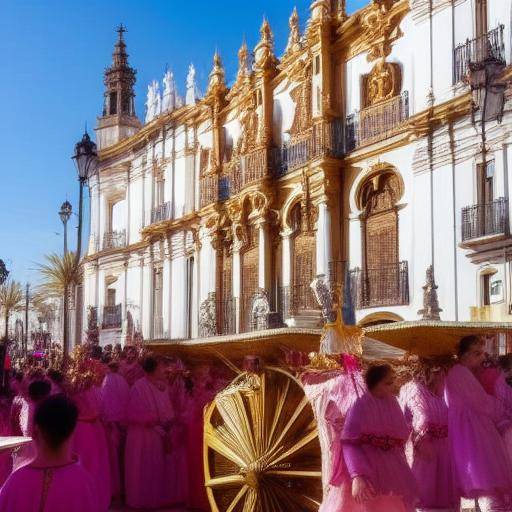
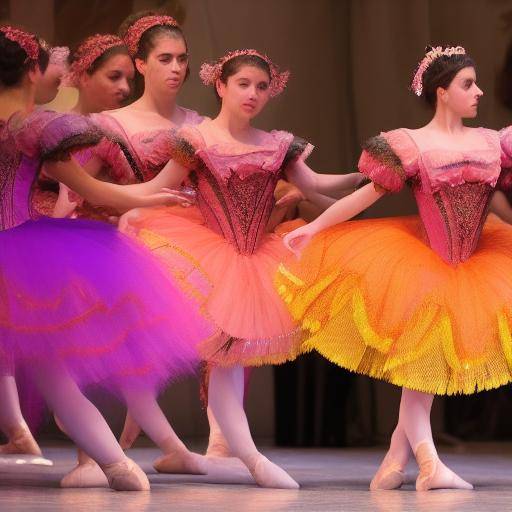
The Feria de Abril is known for its unique traditions that embody the essence of Andalusian culture. Among the most outstanding traditions is the "light", which marks the official beginning of the fair with the ignition of thousands of light bulbs that illuminate the enclosure. Women wear flamenco dresses, with colorful designs and flyers, while men wear short suits or light suits. Flamenco dance and live music invade the streets, creating a festive and cheerful atmosphere. In addition, the houses, small structures decorated with flowers and lamps, are the heart of the fair, where friends and family meet to enjoy food, drink and dance until late in the morning.
Cultural Significado de la Feria de Abril
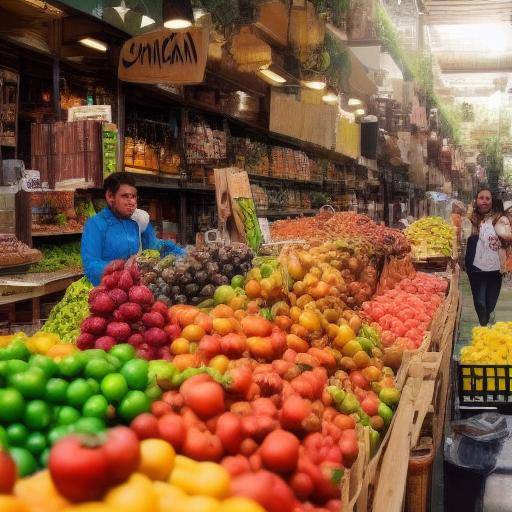
The Feria de Abril is much more than a festive celebration; it represents the cultural identity of Seville and Andalusia as a whole. This annual event reflects the hospitality and warmth of the Andalusian people, as well as their deep respect for traditions and folklore. The fair is a showcase of crafts, gastronomy and Andalusian art, giving visitors the opportunity to immerse themselves in the rich cultural heritage of the region. In addition, the Feria de Abril is an important economic engine for the city, generating employment and promoting the local industry.
Social and Tourist Impact
The April Fair not only has a significant impact at the local level, but also attracts visitors from around the world. Every year, thousands of tourists come to Seville to experience the unique experience of the fair, contributing to the development of the tourist sector and the economy of the region. The combination of tradition, fun and coexistence makes the Feria de Abril an inescapable event for those who want to discover the authentic Spanish culture.
Conclusion
In short, the Feria de Abril in Seville is much more than just a celebration; it is a symbol of identity, culture and tradition rooted in the depths of the Andalusian heart. Through its unique traditions, its rich cultural heritage and its social and tourist impact, the Feria de Abril remains a living testimony of the passion and pride of this region of Spain. There is no doubt that this holiday will continue to excite and surprise generations to come, keeping alive the flame of Andalusian culture.
Frequently asked questions
1. What is the origin of the April Fair?
The April Fair originated as a cattle market in the nineteenth century, evolving over time to become the cultural celebration we know today. The exact date of its foundation is located in 1847, when two entrepreneurs organized an event similar to the cattle fair, with booths, drinks and shows.
2. What are the most outstanding traditions of the April Fair?
Among the most emblematic traditions is the "light", which marks the official beginning of the fair with the ignition of thousands of light bulbs that illuminate the enclosure. In addition, the traditional costume, flamenco dance, live music and decorated houses are characteristic elements that stand out in this holiday.
3. Why is the April Fair so important for Andalusian culture?
The Feria de Abril is a symbol of Andalusian culture, representing the identity and pride of the region. Through its deep-rooted traditions, the fair reflects handicrafts, gastronomy, art and Andalusian folklore, offering a unique experience that celebrates the rich cultural heritage of the region.
4. What is the economic impact of the Feria de Abril in Seville?
The April Fair has a significant impact on the local economy, generating employment and promoting the region's artisanal, gastronomic and tourist industry. In addition, it attracts a large number of tourists, contributing to the development of the tourist sector.
5. What makes the April Fair so attractive for visitors?
The combination of tradition, fun, music, dance and the opportunity to immerse yourself in authentic Spanish culture makes the Feria de Abril irresistible for visitors from around the world. Andalusian warmth and hospitality also play a crucial role in its appeal.
6. What is the future of the Feria de Abril in Seville?
The April Fair continues to evolve over time, adapting to modern trends without losing its traditional essence. It is expected that it will remain an emblematic celebration that will attract national and international visitors, keeping alive the rich Andalusian culture.
In conclusion, the Feria de Abril is a celebration deeply rooted in the history, traditions and cultural identity of Seville and Andalusia. Through its events, traditional costumes, dances, music and hospitality of its people, the fair embodies the vibrant and welcoming spirit of this region of Spain.