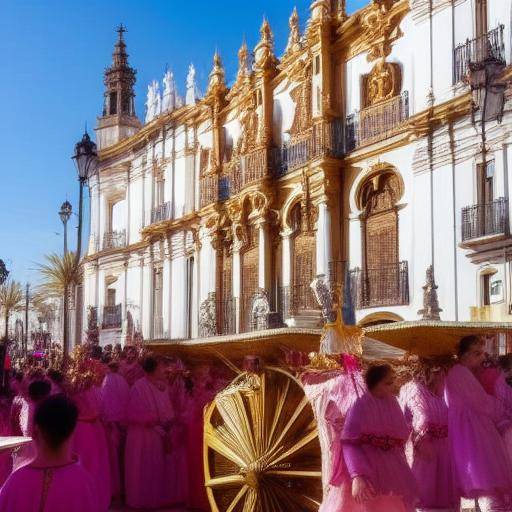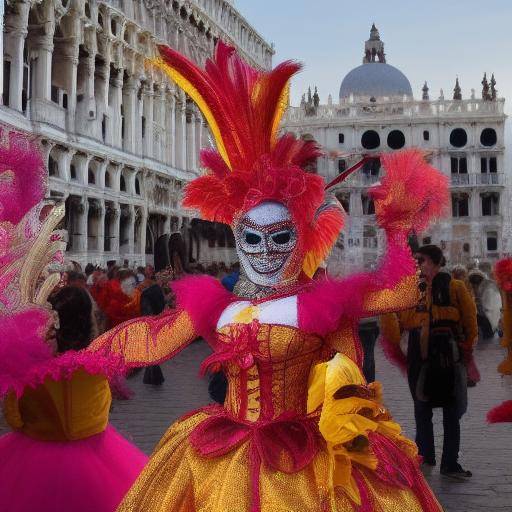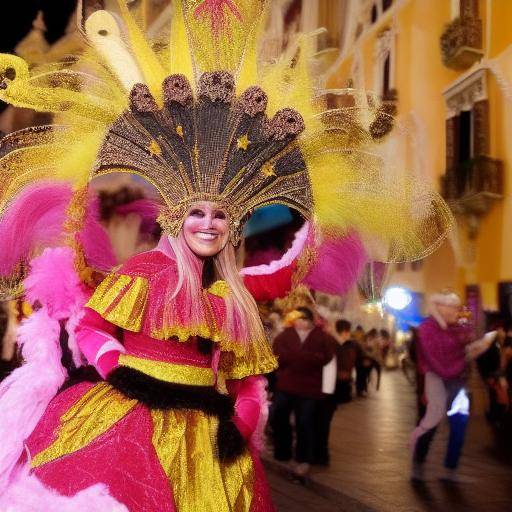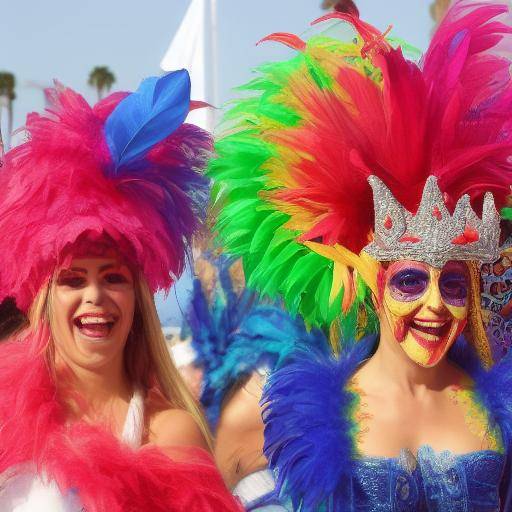

The Carnival of Nice is recognized as one of the most dazzling and exciting festivals in the world. Dive into the rich history, vibrant traditions and the profound cultural importance of this unique event. In this article, you will discover everything you need to know about the Carnival of Nice, from its origins to its impressive parades and colorful celebrations.
Introduction to the Carnival of Nice
The Nice Carnival, locally known as "Le Carnival de Nice", is an annual festival that attracts visitors from around the world to witness its magnificent parades full of decorated floats, music, dances and costumes produced. This world-renowned event is held in the city of Nice, located in the beautiful region of the French Riviera. The carnival has become an integral part of the cultural identity of Nice, attracting crowds who enjoy the grip and joy that fills the streets of the city during this special time.
History and Origins of the Carnival of Nice
The Carnival of Nice has a rich and fascinating history dating back centuries. Its origins are found in the pagan celebrations and the festivities of spring dating from the Roman era. Over the years, carnival has experienced significant evolution, adapting to different cultural and social influences. During the medieval period, the carnival became an opportunity for the local population of Nice to enjoy a brief period of freedom and fun before the beginning of Lent. This festival has become a reflection of the history, identity and creativity of the city of Nice.
The Traditions of the Nice Carnival
The Carnival of Nice is impregnated with fascinating traditions that add an air of mystery and emotion to the holidays. One of the highlights of the carnival are its spectacular parades, where the majestic floats and participants wear elaborate costumes that dazzle the crowd. In addition, the "Roi du Carnival" (Rey del Carnival) and the "Reine du Carnival" (Reina del Carnival) are emblematic figures that embody the festive spirit and lead the festivities with grace and style. The release of flowers and confeti during the parade is a typical practice that adds joy and color to the event.
Significado Cultural del Carnival de Nice
Beyond its extravagant festivities, the Carnival of Nice has a deeply rooted cultural meaning. For the local community, carnival is an opportunity to preserve and celebrate ancestral traditions, strengthen community ties and promote artistic creativity. In addition, carnival is a manifestation of the unique identity of Nice and its multicultural heritage. Through its artistic expressions and ceremonies, the Carnival of Nice has become a symbol of pride and cohesion for the inhabitants of the city.
Final Conclusions
In short, the Carnival of Nice is much more than an extravagant festival; it is a celebration rooted in the history, traditions and culture of Nice. With its unique mix of dazzling shows and deep cultural links, the Carnival of Nice continues to captivate audiences year after year. As you immerse yourself in the traditions and cultural significance of this extraordinary event, you embark on a journey that will take you to discover the richness and beauty of a celebration that has resisted the proof of time.
This article has been designed to provide a comprehensive and detailed overview of the Carnival of Nice, ranging from its shocking history and its entrenched traditions to the cultural meaning that promotes this unique celebration. We hope that this exploration has led you to appreciate more deeply the beauty and importance of the Carnival of Nice, and has encouraged you to personally experience the magic of this unforgettable event.
Frequently asked questions about the Carnival of Nice, Traditions and Culture
1. What is the date of the Nice Carnival?
The Nice Carnival is held every year during the two weeks prior to the Lent period, usually in February. The exact dates vary from year to year, so it is advisable to consult the official calendar of the event.
2. What is the origin of the floats in the Carnival of Nice?
The Carnival of Nice floats have their roots in the medieval festivities of the city, where they were used to represent religious and mythological scenes. Over time, the floats have become impressive adorned structures that reflect the creativity and ingenuity of the participants.
3. Why are flowers thrown and confet during the parade?
The launch of flowers and confeti during the parade is an ancient tradition that symbolizes joy and celebration. This colorful and festive practice also adds a touch of fun and excitement to the holidays.
4. What is the meaning of the King and the Queen of Carnival?
The King and Queen of the Carnival of Nice are emblematic figures that personify the festive essence and spirit of the celebration. Their presence symbolizes the leadership and elegance that embodies the essence of carnival.
5. How has multiculturalism influenced the Carnival of Nice?
Multiculturality has had a significant impact on the Carnival of Nice, enriching its traditions, costumes and shows with influences from different cultures. This diversity is a living testimony of the openness and harmonious coexistence in the city of Nice.
6. What role does the Nice Carnival play in the local community?
The Carnival of Nice plays a vital role in the community life of the city, promoting civic pride, promoting tourism and generating a sense of union and belonging among the inhabitants of Nice.
By exploring these common questions, we discover the rich upholstery of culture, history and celebration that defines the Carnival of Nice and its lasting influence in the city and its inhabitants.
With this, we conclude our exploration of the fascinating world of the Carnival of Nice, its vibrant traditions and its profound cultural significance. As we immerse ourselves in this annual celebration, we have discovered an event that transcends time and continues to captivate all those who are fortunate to witness it in person.
Remember that, if you ever have the opportunity to participate in the Carnival of Nice, you will be in the presence of a celebration that encapsulates the very essence of joy, creativity and diversity that enrich human life.