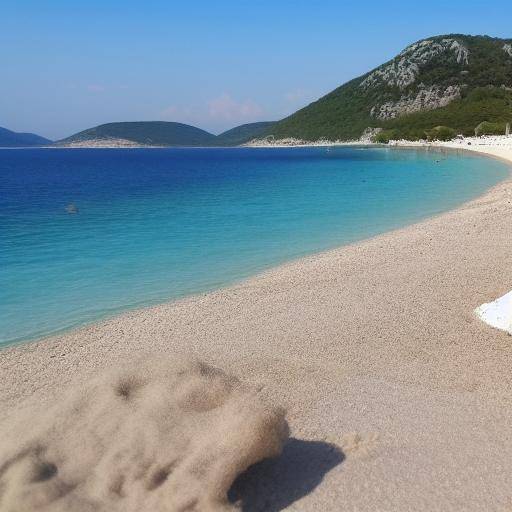

Sustainable tourism has now become an important concept, especially in remote destinations such as the Faroe Islands. In this article, we will explore the fascinating intersection between tourism, the preservation of the environment and sustainability in this Nordic archipelago. We will discover how the Faroes are addressing these challenges, providing unique opportunities for conscious travelers and taking care of their stunning natural environment.
Introduction
The Faroe Islands, a group of 18 islands located in the North Atlantic between Norway and Iceland, are known for their rugged beauty and rich cultural heritage. Despite its remote location, this destination is gaining popularity among nature lovers and travelers in search of authentic adventures. However, increased tourism poses challenges to the environmental sustainability of the archipelago. In this context, sustainable tourism emerges as a priority to preserve this natural treasure for future generations.
History and Background
The Faroes have a rich and fascinating history dating back to the Viking era. Established as an autonomous territory within the Kingdom of Denmark, the islands have maintained their unique identity over the centuries. With a pristine natural environment and a culture rooted in tradition, the Faroes have captivated lovers of nature and history.
Evolution of Tourism
Over the years, the Faroes have experienced a significant increase in tourism, as more travellers discover the overwhelming beauty and authenticity of this region. However, this sudden growth has posed challenges in terms of preserving the environment and local culture. The need for a sustainable approach has become more pressing than ever.
Important Developments
In response to these challenges, local authorities and communities have implemented measures to promote responsible and sustainable tourism in the Faroe Islands. Since promoting environmentally friendly outdoor activities to conservation education, significant measures have been taken to protect the island ' s natural and cultural heritage. This evolution demonstrates a firm commitment to long-term sustainability.
Benefits of Sustainable Tourism
Sustainable tourism not only benefits the environment, but also the local community and the economy. By promoting responsible tourism practices, the Faroe Islands can preserve its natural resources, promote environmental awareness and provide equitable economic opportunities for local inhabitants.
Current Challenges and Trends
While sustainable tourism has many benefits, it also faces significant challenges in managing a growing flow of tourists and protecting fragile ecosystems. Continuous efforts focus on finding a balance between the promotion of tourism and the conservation of the natural environment.
Perspectives and Views
The perspectives on sustainable tourism in the Faroe Islands are diverse, with important voices from the local community, sustainability experts and travellers who share their views. These views offer a rich and nuanced view of the challenges and opportunities facing sustainable tourism in an environment as unique as the Faroe Islands.
Conclusion
In short, sustainable tourism in the Faroe Islands is a topic of great relevance both locally and globally. With a multifaceted approach that addresses the preservation of the natural environment, the protection of cultural heritage and the well-being of the local community, this approach is positioned as a model to follow for tourist destinations facing similar challenges. By adopting sustainable practices, the Faroe Islands not only protect their heritage, but also provide visitors with the opportunity to immerse themselves in an authentic natural and cultural environment. The commitment to sustainable tourism in this exciting destination is a testimony to how the harmony between tourism and environmental conservation is possible.
Frequently asked questions
What are the main tourist attractions of the Faroe Islands?
The Faroe Islands offer a wide range of attractions for nature and adventure lovers, from stunning cliffs and waterfalls to picturesque fishing villages and spectacular hiking trails. Marine fauna, including seabirds and seals, also attracts many visitors.
What measures have been implemented to promote sustainable tourism in the Faroe Islands?
The measures include the promotion of environmentally friendly outdoor activities, conservation education, careful planning of tourism infrastructures and collaboration with the local community to ensure that tourism benefits all in an equitable and sustainable manner.
How can I contribute to sustainable tourism during my visit to the Faroe Islands?
Visitors can contribute to sustainable tourism while respecting nature and wildlife, using designated routes to minimize environmental impact, supporting local businesses and participating in activities that promote the conservation of the natural environment and local culture.
What is the best time to visit the Faroe Islands from a sustainable tourism perspective?
The summer season offers long days of light, allowing a wide range of outdoor activities and seabird observation. However, it is crucial to respect the fragility of nature at any time of the year and to follow the conservation recommendations.
How are the Faroes addressing the balance between promoting tourism and preserving its natural environment?
The authorities are implementing careful planning of tourism infrastructures, promoting responsible tourism practices and working closely with the local community to ensure that tourism benefits everyone in a sustainable and equitable manner.
What are the most pressing challenges facing sustainable tourism in the Faroe Islands?
One of the key challenges is to manage the growing flow of tourists, ensuring that tourist activities do not compromise the integrity of the natural environment or disrupt wildlife. It is also crucial to preserve cultural authenticity and to avoid overexploitation of natural resources.
In conclusion, sustainable tourism in the Faroe Islands is an inspiring model for the preservation of the environment and the promotion of authentic tourist experiences. Addressing these challenges entails significant benefits, both for the well-being of the local community and for the long-term conservation of the impressive natural environment. With a balanced and committed approach, the Faroe Islands demonstrate how sustainable tourism can be a positive and transformative force, benefiting present and future generations.