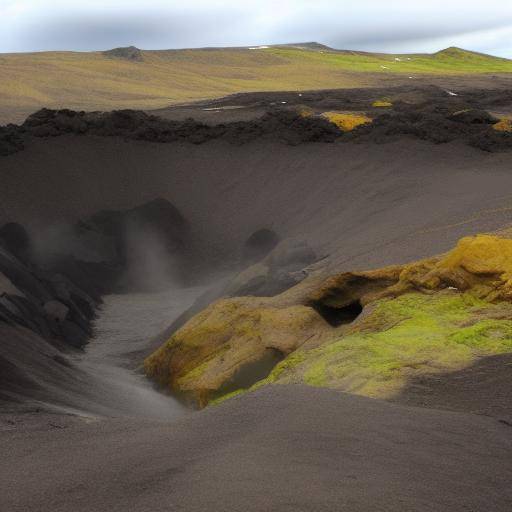
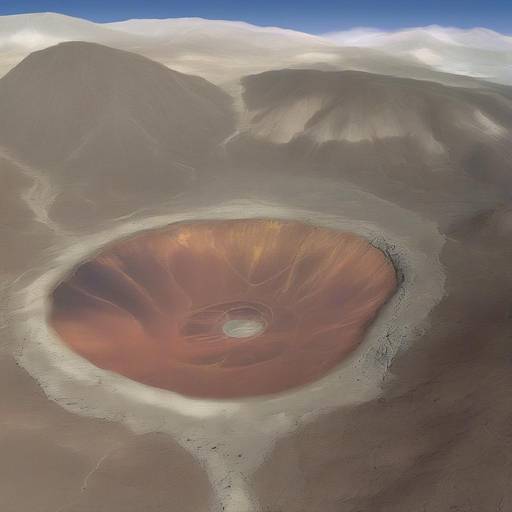
The Rocky Mountains, located in North America, are home to some of the most impressive rock formations in the world. From imposing peaks to deep canyons and majestic waterfalls, this vast mountainous system represents a wonderful geological laboratory. In this article, we will explore the most spectacular rock formations of the Rocky Mountains and their fascinating geological history.
Introduction
The Rocky Mountains are known for their natural beauty and geological diversity. This article aims to immerse itself in these impressive rock formations and their geological meaning, providing detailed information about their formation, distinctive characteristics and relevance in the world of geology.
The Rocky Mountains, covering a vast expanse from New Mexico in the United States to British Columbia in Canada, offer a wide variety of rock formations, from snowy peaks to deep canyons and extensive cave systems. To fully understand the uniqueness of these formations, we will explore their history, geology and geographical distinctives.
History and Background
The Rocky Mountains have been home to various indigenous communities for millennia and played a crucial role in expanding west in North America. In the nineteenth century, the region was subjected to exploration and documentation by expeditionaries and geologists, which led to the discovery of its vast geological wealth.
The discovery of dinosaur fossils and the evidence of ancient oceans have provided a window to the geological past of this region. As we advance in the timeline, the Rocky Mountains have played a crucial role in the development of geology as a scientific discipline, providing invaluable insights on plate tectonics and the formation of mountainous landscapes.
Detailed Analysis
The Rocky Mountains have a diverse geology, with formations that include sedimentary, igneous and metamorphic formations. The interaction of geological forces over millions of years has shaped these majestic mountains, creating stunning and amazing landscapes.
The region hosts numerous national parks and natural monuments where visitors can marvel at unique rock formations, such as the National Park of Rocky Mountains, the Yellowstone National Park and Grand Teton National Park. These protected spaces offer a look at the beauty and geological history of the Rocky Mountains, providing valuable opportunities for research and education.
Comprehensive review
Rocky Mountains are not only a geological treasure, but also play a crucial role in maintaining the ecological balance of the region. The diversity of ecosystems present in these mountains, from subalpine forests to alpine meadows, sustains a wide range of wildlife and provides vitality to the trophic network.
The importance of preserving these rock formations and their natural environment has become a topic of debate and action, as it seeks to ensure their long-term conservation. Sustainable management of natural resources and the promotion of ecotourism have become key approaches to ensuring the preservation of this geological heritage.
Comparative analysis
By comparing the rock formations of the Rocky Mountains with other mountain systems of the world, such as the Alps or the Andes, its geological singularity is highlighted. The Rocky Mountains stand out for their unique geological history and their role in understanding tectonic and climate processes on a global scale.
The contrast between the geology of the Rocky Mountains and the Andes mountain range and the geological and environmental challenges that each region faces offers an enriching perspective on the diversity of rock formations and their influence on human and natural life.
Practical Tips and Accessible Recommendations
If you are planning to explore the Rocky Mountains and their rock formations, it is important to take into account certain practical tips to ensure a safe and enriching experience. Here are some key recommendations:
- Investigate and plan your trip in advance, ensuring you understand the regulations and requirements of national parks.
- Use suitable equipment for outdoor activities such as resistant boots, waterproof clothing and navigation supplies.
- Respect the natural environment and follow the conservation guidelines by exploring these protected areas.
- Do not leave a trace and carry with you all the wastes generated during your visit.
Perceptions of Industry and Expert Reviews
Researchers and geologists have tirelessly studied the rock formations of the Rocky Mountains, contributing significantly to the advancement of geological knowledge. Its deep understanding of geological history and the evolution of these formations offers valuable insights on natural processes and the human impact on these ecosystems.
Experts have expressed concern about the impact of climate change on the Rocky Mountains, which may have significant consequences on the stability and biodiversity of rock formations. Their assessments and recommendations highlight the need for concrete actions to mitigate the effects of climate change and preserve the geological integrity of the region.
Case Studies and Real Life Applications
The understanding of the geology of the Rocky Mountains has led to innovative applications in areas such as geotourism, the conservation of geological heritage and the management of natural resources. Case studies involving the creation of geological paths, the implementation of educational programs and the promotion of sustainability offer valuable insights on the integration of geology with society.
Conservation and restoration efforts led by government agencies, non-profit organizations and local communities illustrate how geology can influence sustainable development initiatives and the preservation of natural heritage. These examples demonstrate how understanding of rock formations can boost positive actions that benefit both present and future generations.
Future Trends and Predictions
As the interest in geotourism and geological education continues to grow, Rocky Mountains are expected to attract additional attention as a geological destination. The integration of technological advances, such as virtual reality and interactive applications, can offer enriching educational experiences that bring a wider audience to the geological world of the Rocky Mountains.
In addition, scientific research focusing on the interaction between geological processes and environmental changes will provide critical information on the resilience of rock formations to challenges such as climate change and human activity. These fundamental research will promote initiatives aimed at protecting and preserving rock formations, ensuring that they remain an invaluable legacy for future generations.
Conclusion
The rock formations of the Rocky Mountains represent a wonderful work of geological art, whose natural wealth and historical value deserves to be celebrated and protected. This geological journey has led us through history, formation, distinctive characteristics and the importance of these rock formations, providing a deeper understanding of their fundamental role in the world of geology.
From its role in geological evolution to its influence on human and natural life, the Rocky Mountains offer an inexhaustible source of knowledge and wonder. As we say goodbye to this exciting journey, we encourage readers to personally explore the magnificent rock formations of the Rocky Mountains and immerse themselves in the depths of their unique geology.
Frequently asked questions
1. How did the rocky mountains and their rock formations form?
The Rocky Mountains were formed over millions of years due to tectonic activity, including the collision of continental plates and the action of geological forces such as erosion and volcanic activity. The resulting rock formations are the product of this long process, with sedimentary layers, intrusions and metamorphism contributing to its geological diversity.
2. What is the importance of the Rocky Mountains from a geological perspective?
The Rocky Mountains offer valuable insights on plate tectonics, mountain chain formation and geological evolution over time. In addition, these rock formations contain key records of geological history, including fossils, stratigraphic layers and evidence of past geological processes.
3. What are the environmental challenges facing the Rocky Mountains and their rock formations?
Rocky Mountains face challenges such as climate change, erosion, natural resource management and biodiversity preservation. These challenges require comprehensive approaches that address both the conservation of the geological landscape and long-term environmental sustainability.
4. Are there opportunities to study the rock formations of the Rocky Mountains in an educational environment?
Yes, the Rocky Mountains offer exciting opportunities for geological research and education. Numerous national parks and geological sites in the region provide an enabling environment for academic studies and field experiences that enrich the understanding of geology.
5. What is the impact of tourism on the Rocky Mountains and their rock formations?
Tourism has generated significant economic opportunities around the Rocky Mountains, but also poses challenges related to the sustainable management of visitors, the conservation of the natural environment and the preservation of geological integrity. The balance between the promotion of tourism and the protection of the geological landscape is crucial for its long-term sustainability.
6. What role do the rock formations of the Rocky Mountains play in the collective imagination and popular culture?
The rock formations of the Rocky Mountains have played a leading role in the folklore and culture of the indigenous communities and the first explorers. Its imposing presence and rich geological history have inspired stories, art, music and a deep sense of admiration that endure until today.
In conclusion, the rock formations of the Rocky Mountains are living testimonies of the vastness and beauty of our planet, offering an incomparable treasure of geological knowledge and a lasting legacy for future generations. This geological journey is only the beginning of a deeper exploration of the natural wonders that the Rocky Mountains have to offer.