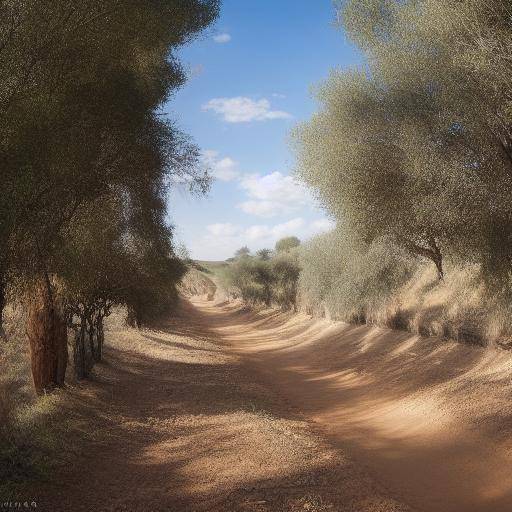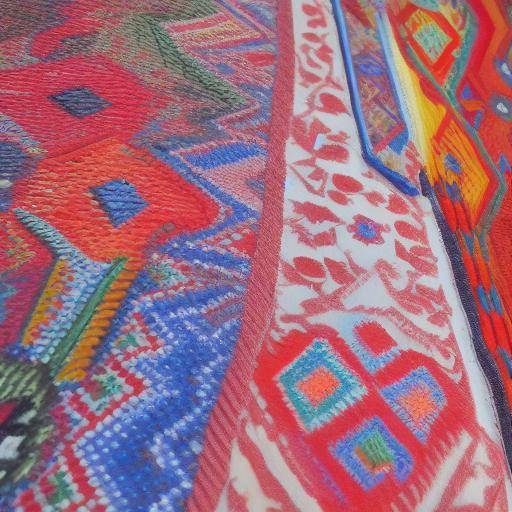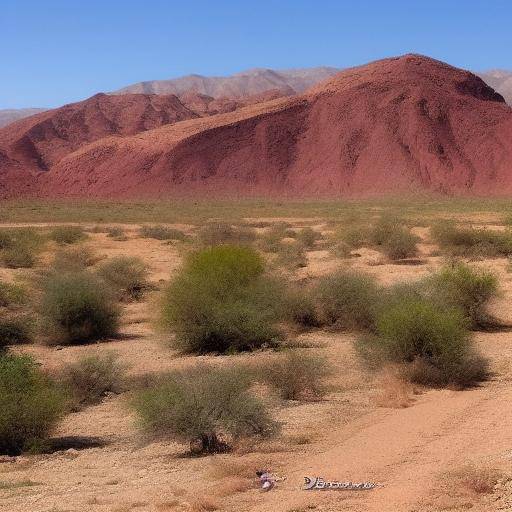

Are you ready to explore the majesty of the Silk Road through your camera lens? Do you want to capture the rich crafts and vibrant Jiva culture with a unique perspective? In this article, you will immerse yourself in the history, beauty and techniques of cultural photography along the Silk Road, with a special focus on Jiva. From the history of this iconic commercial route to practical advice to capture the essence of Central Asia, you will be prepared to undertake an unforgettable photographic adventure.
Introduction
Welcome to a unique photographic journey that will take you through the emblematic Silk Road, where the past and the present intertwine in a rich cultural tapestry. This article offers a deep dive in history, crafts and techniques to capture the essence of Jiva and the wonders of the Silk Road through your lens. Prepare to discover how cultural photography can become a window to the unique heritage of Central Asia.
History and Background
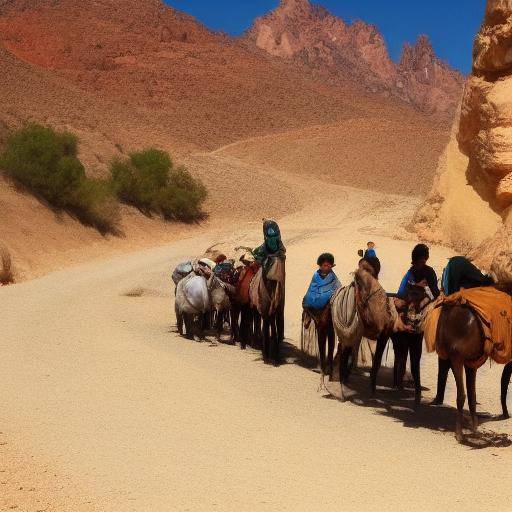
The Silk Road, also known as "The Great Way" in ancient times, was a network of trade routes that joined the East and the West, facilitating the exchange of goods, knowledge and cultures. This prosperous trading system spread over thousands of kilometres, connecting civilizations from China to the Mediterranean, with key stop points in cities such as Jiva, a jewel in the heart of Central Asia.
Origins and Historical Significance
The Silk Road had its humble beginnings in the second century BC, when Chinese merchant Zhang Qian started a historic journey to Central Asia, opening the route that would transform the exchange between East and West. Over the centuries, the route witnessed an unprecedented exchange of products such as silk, spices, jewellery and technologies, but also of ideas and beliefs that shaped the modern world.
Evolution and Developments
The rise of the Silk Road was reflected in the prosperity of cities like Jiva, which became a vital center of trade, culture and crafts. However, with the change of trade routes and geopolitical dynamics, the importance of the route decreased over time, plunging it into oblivion until its rediscovery aroused interest in the wealth of its heritage.
Anecdotes and Case Studies
Throughout the centuries, the Silk Road was the scene of countless stories that resonate in the fabrics of history. From intrepid travelers who faced the implacable deserts to merchants who forged unexpected alliances, each story reveals a unique chapter in the epic of the Silk Road. These stories and case studies give us a vivid portrait of life on this iconic commercial route.
Deep analysis
Current Benefits, Challenges and Trends
Cultural photography along the Silk Road offers endless opportunities to capture the cultural diversity and unique craftsmanship of the region. However, the preservation of authenticity and respect for local traditions pose ethical challenges in photography. In addition, contemporary trends have led to greater appreciation of cultural photography as a means of preserving heritage.
Statistics and Prácticos Examples
Statistics reveal the growing demand for images that illustrate cultural wealth along the Silk Road. Similarly, practical examples show how photography has contributed to the promotion of Jiva crafts and culture, raising the global recognition of this jewel in Central Asia.
Perspectives and Diverse Reviews
Various perspectives on cultural photography on the Silk Road offer a wide range of approaches and opinions. From local photographers who capture the soul of their communities to international artists who merge contemporary aesthetics with tradition, each voice enriches the panorama of cultural photography.
Comprehensive review
Applications, Cases and Best Practices
Cultural photography on the Silk Road goes beyond mere visual documentation; it is a powerful tool to foster intercultural understanding and preserve the unique identity of each community along the route. Practical cases show how photography can serve as a bridge between the past and the present, and best practices offer a framework to maximize the authenticity and impact of captured images.
Opinions of Experts on Industry
The views of experts in cultural photography on the Silk Road provide an invaluable insight into current and future trends. From the emergence of new technologies to the transformative role of photography in the promotion of sustainable tourism, experts constantly redefine the field of cultural photography.
Case Studies and Practical Applications
Case studies reveal the tangible impact of cultural photography on the preservation of heritage and the promotion of intercultural dialogue. From collaborative projects involving local communities to initiatives that use photography as a tool for empowerment, each study shows how photography can generate a significant impact on cultural preservation.
Emerging Trends and Future Predictions
The emerging trends in cultural photography along the Silk Road anticipate a boom in creativity and innovation, driven by the convergence of tradition and the vanguard. Future predictions suggest that photography will play a crucial role in promoting cultural diversity and preserving heritage in an increasingly interconnected world.
Conclusions and FAQs
Conclusions
Throughout the Silk Road in Jiva, cultural photography has transcended the barriers of time and space, revealing the beauty rooted in the history and craftsmanship of Central Asia. By sensibly capturing the greatness of the Silk Road and the richness of Jiva, cultural photography becomes a visual witness of a lasting heritage.
Frequently asked questions
How can I prepare to capture the essence of Jiva through photography?
Prepare to capture the essence of Jiva through photography requires a deep understanding of its history, culture and craftsmanship. Explore the less transient corners, interact with locals and look for moments that reflect the authenticity of life in Jiva.
What are the highlights of the Silk Road that are ideal for cultural photography?
Traditional markets, ancient temples, local holidays and craft workshops are just some of the highlights ideal for cultural photography along the Silk Road. These places offer a wealth of subjects that encapsulate the daily life and cultural heritage of the region.
How can I respect people's culture and privacy by taking pictures in Jiva?
Respecting people's culture and privacy by taking photographs in Jiva is fundamental. Always seek consent before photographing individuals, respect restrictions in sacred places and avoid capturing situations that may be invasive or derogatory.
What are the best techniques to capture Jiva's unique craftsmanship?
Natural lighting, the first detailed and the first planes are effective techniques to capture Jiva's unique craftsmanship. In addition, it seeks angles and compositions that highlight the craft mastery and beauty of objects.
How can cultural photography contribute to the preservation of heritage along the Silk Road?
Cultural photography not only documents heritage along the Silk Road, but also serves as a powerful tool to raise awareness of the importance of preserving these cultural jewels. The captured images can generate greater interest and support for heritage conservation.
What are the ethical considerations I should take into account when taking photographs in places of cultural significance in Jiva?
By taking photographs in places of cultural significance in Jiva, it is essential to respect local norms and cultural restrictions. Avoid interfering in religious practices, respect the indications of not photographing in specific sites and act sensitively towards the local community at all times.
How can I use my photograph to foster greater understanding and appreciation for the culture of Jiva and the Silk Road?
Use your photographs as tools to tell meaningful stories and convey the rich cultural diversity of Jiva and the Silk Road. Share your images with sensitivity and context, fostering greater understanding and appreciation for these magnificent heritages.
With a captivating approach to cultural photography, the Silk Road and the majesty of Jiva, this article has provided you with the vision and tools necessary to get into a world of beauty, history and craftsmanship. By capturing the unique essence of Central Asia through your lens, you will witness the timeless grandeur of the Silk Road and the incomparable wealth of Jiva in every image you capture.
Remember, photography is much more than a simple click; it is a powerful means to preserve, connect and celebrate the cultural diversity that defines humanity. Prepare to photograph the greatness and craftsmanship of the Silk Road in Jiva and give life to a lasting legacy through your images!
With this in mind, pack your photographic equipment, prepare for an unforgettable journey and prepare yourself to capture the essence of the Silk Road in Jiva as never before. The adventure awaits you!