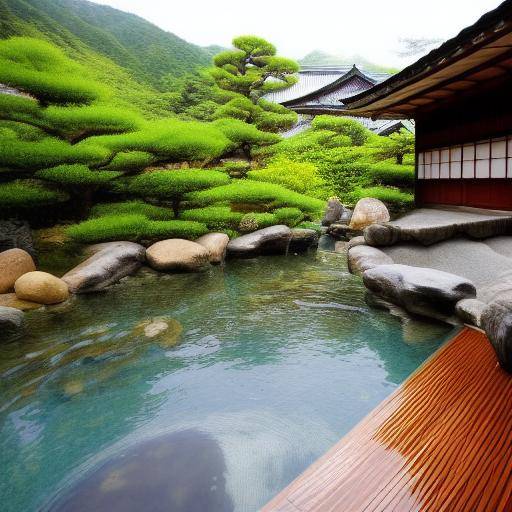
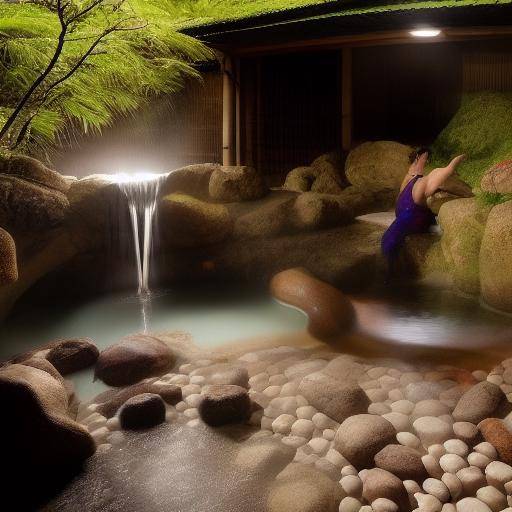
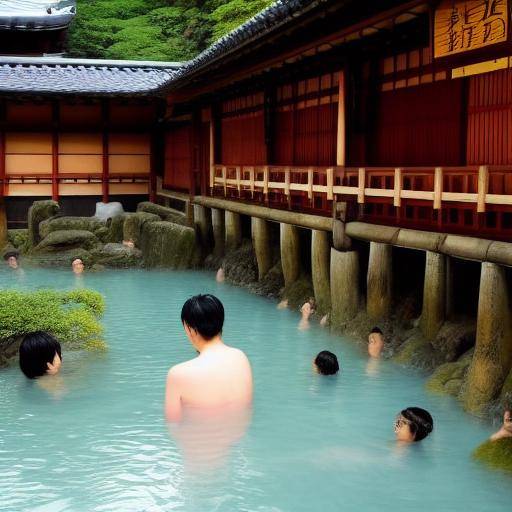
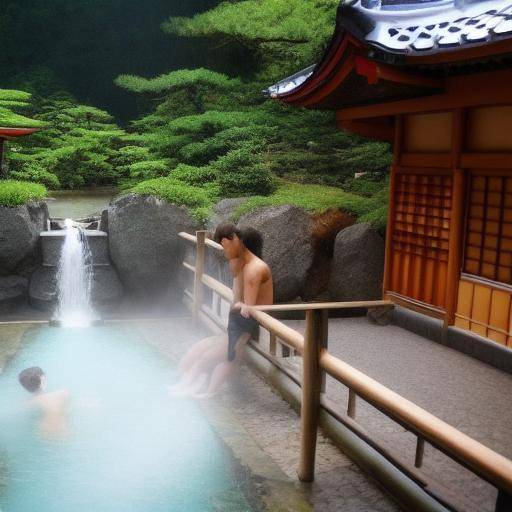
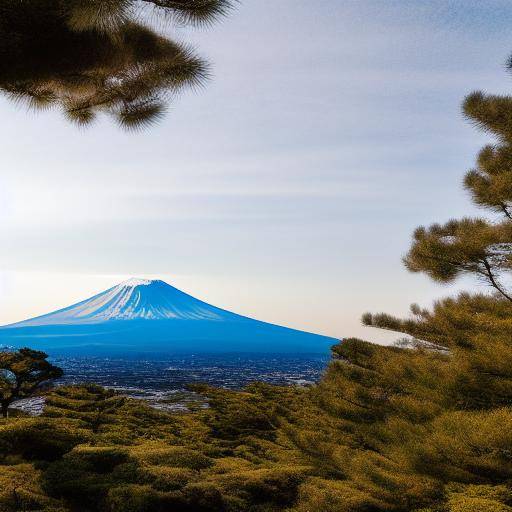
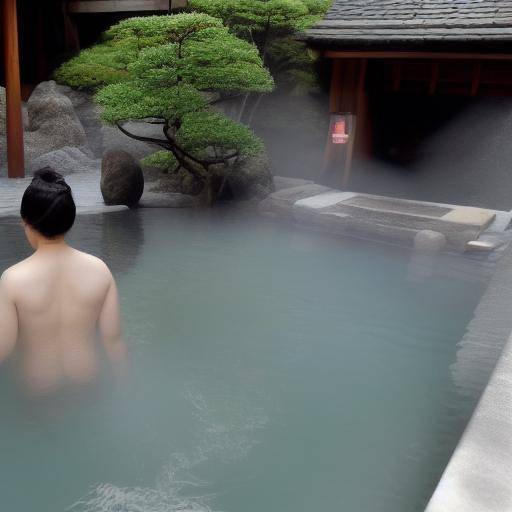
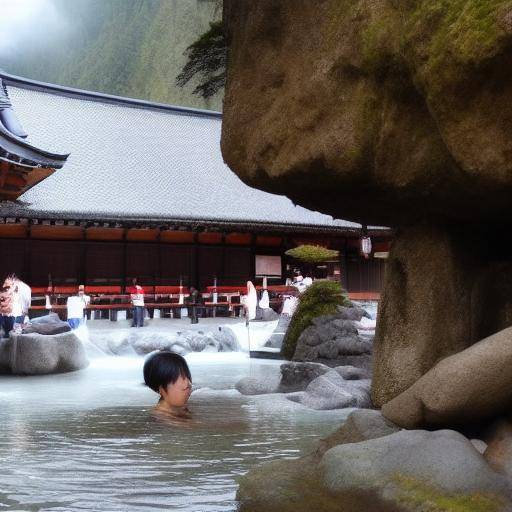
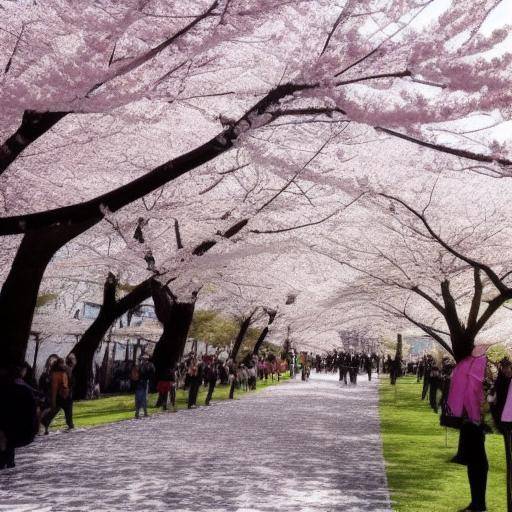
In Japan, outdoor waves, known as rotenburo, offer a unique experience that combines relaxation, nature and tradition. Dive into the thermal waters while enjoying breathtaking views of the nature surrounding these bathrooms. Discover the history, benefits, and how these spaces harmonize with the natural environment.
Introduction
The outdoor onsen, also called rotenburo, are an intrinsic part of Japanese culture and an unforgettable experience that combines the healing properties of the thermal waters with the natural beauty that surrounds these spaces. Throughout this article, we will explore the history, benefits, challenges and current trends of outdoor waves in Japan, as well as their relationship with nature. We will also review practical advice, statistical data and future predictions, as well as comparing them with onsen in other environments. We're ready to dive into this exciting exploration.
History and Background
The culture of the onsen in Japan dates back centuries. During the Heian period (794-1185), the nobles enjoyed these thermal waters both for their health benefits and for their aesthetic value. During the Edo period (1603-1868), the onsen became more accessible to the general population. The appreciation for nature was linked to the tradition of the onsen, which led to the development of the rotenburo. Since then, these outdoor bathrooms have become an integral part of Japanese culture.
Detailed Analysis
The benefits of outdoor waves go beyond the physical. In addition to the healing properties of the thermal waters, the connection with nature adds a spiritual dimension, promoting relaxation and mental well-being. However, current challenges include the preservation of the natural environment and the sustainable management of these spaces in an increasingly urbanized world.
Comprehensive review
Harmony between outdoors and nature is a practice rooted in Japanese culture. The development of techniques to integrate bathrooms into natural landscapes has been a focus of innovation. In a world increasingly interested in the sustainability and preservation of the environment, outdoor waves in Japan offer a valuable insight into how human activities can coexist harmoniously with nature.
Comparative analysis
Although outdoor waves are a unique practice in Japan, the connection between nature and thermal waters is observed in other cultures. The similarity with the alpine thermal baths in Europe and the thermal waters of Latin America demonstrates that the combination of healing waters and natural environments has a global resonance.
Practical Tips and Accessible Advice
If you plan to visit an outdoor onsen in Japan, it is important to respect local standards and follow label practices. Some practical tips include showering before diving into the onsen, keeping a respectful attitude towards other bathers and not dipping with clothes or towels.
Perceptions of Industry and Expert Reviews
Outdoors in Japan have aroused the interest of experts in sustainable tourism and nature conservation. Some experts have emphasized the importance of balancing tourism development with the preservation of the natural ecosystems that host these onsen. In addition, the potential of outdoor waves to promote sustainable tourism and to enrich the understanding of the relationship between human beings and nature has been emphasized.
Case Studies and Applications in Real Life
Outdoor waves have been an ideal setting for integrating technology with nature. For example, in some onsen, renewable energy has been implemented to heat the thermal waters, thus reducing their environmental impact. These cases demonstrate how innovation and conservation can go hand-in-hand in outdoor onsen management.
Future Trends and Predictions
The future of outdoor waves in Japan is an integral part of sustainable tourism. With an approach to the conservation of the natural environment and the promotion of integral well-being, the onsen are expected to remain a sustainable attraction for locals and tourists. In addition, there is a greater interest and appreciation for these experiences that combine thermal waters with nature.
Conclusions
The outdoor waves in Japan represent a wonderful combination of tradition, relaxation and connection with nature. By plunging into these thermal waters, visitors experience a unique sense of physical, emotional and spiritual well-being. The preservation of the natural environment surrounding these onsen is key to ensuring its continuity and the perpetuation of this exceptional experience.
Frequently asked questions
What is the difference between a traditional onsen and a rotenburo?
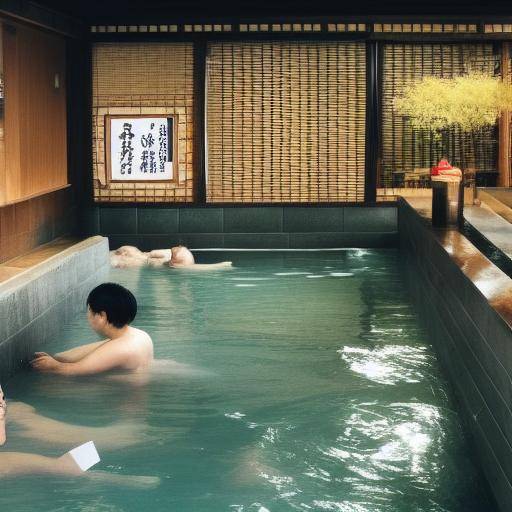
A traditional onsen is in a closed building, while a rotenburo is an outdoor bathroom, often integrated into nature.
What precautions should I take when visiting an outdoor onsen in Japan?
It is important to follow the local label rules, including showering before entering the onsen, respect the privacy of the other bathers and avoid submersing with cell phones or cameras.
How do the waters of the outdoor onsen warm up?
The thermal waters of the onsen are naturally heated through underground geothermal sources.
What is the best time of the year to enjoy a rotenburo in Japan?
Any time of the year can be ideal, as each station offers a unique experience. From the snow in winter to the green in spring, every season gives its charm to the rotenburo.
Are outdoor onsen accessible to people with reduced mobility?
Some establishments have implemented measures to make them accessible, but it is advisable to verify accessibility in advance.
What is the cultural importance of outdoor onsen in Japan?
Outdoor waves represent a deep connection to nature and a way to relieve stress and revitalize, making them a pillar of Japanese culture.
With these frequent questions, we have addressed some of the common concerns about outdoor waves in Japan, providing a clearer vision for those who want to enjoy this unique experience.
As we explore the connection between outdoor onsen, nature and Japan, it is clear that this combination offers physical, mental and spiritual benefits. The preservation of these natural spaces and harmony with their environment are fundamental to ensuring that future generations enjoy this unique experience in full nature.