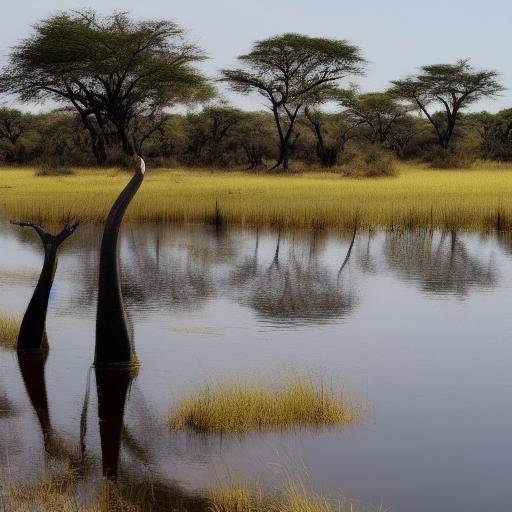
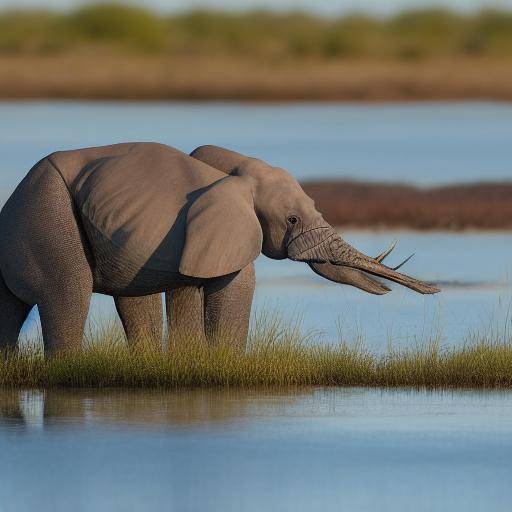
The Okavango Delta is one of those places that reshapes your idea of a safari. In the far north of Botswana, a river that never reaches the sea fans out across the Kalahari sands and creates a maze of channels, lagoons and islands where wildlife roams freely. There are no major roads or multi-storey hotels here: the usual way to experience it is to stay in small camps scattered across the delta, often unfenced and far from any town.
Sleeping in one of them is about more than a bed for the night. The camp sets the pace of your trip, decides which activities you can do and which animals you'll see up close. If you're considering this adventure, it pays to understand how these camps work, what types exist and what an ordinary day looks like before you choose.
What makes the Okavango Delta different
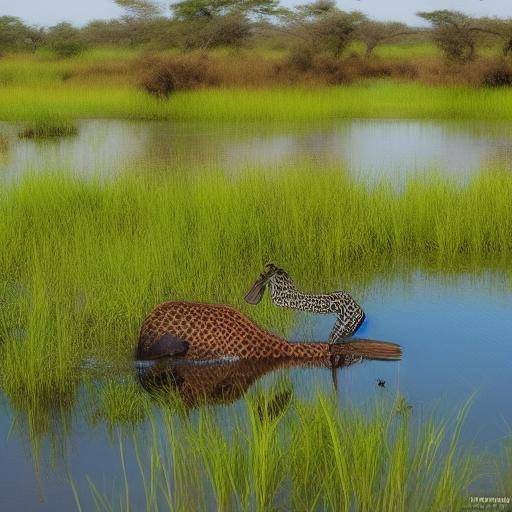
Most rivers end in the ocean. The Okavango rises in the highlands of Angola, crosses a strip of Namibia and dies inland in Botswana, evaporating and seeping into the sand. The result is an inland delta, a vast oasis in the middle of a dry region, recognised as a World Heritage Site.
The curious part is the water's timetable. Rain falls in Angola during the southern summer, but the floodwaters take months to make the journey and reach the delta when Botswana is already in its dry season. Just as the rest of the country runs dry, the delta fills up. That's why so many animals gather here in the driest months.
That pulse of water shapes the landscape:
- Permanent channels lined with papyrus, home to hippos and crocodiles.
- Floodplains that fill and drain with the seasons, grazed by water-loving antelope such as the red lechwe.
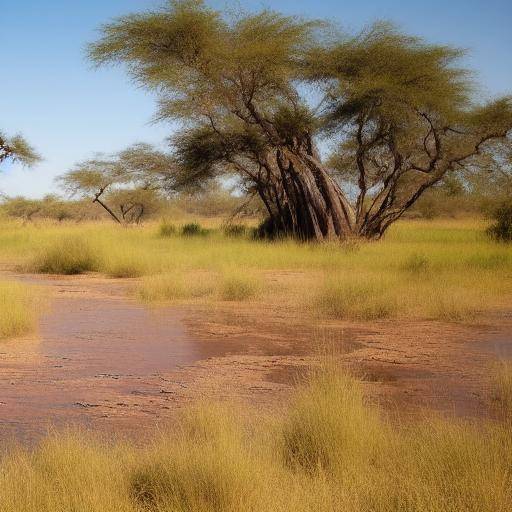
- Dry-land islands, some tiny and others huge, with palms, acacias and termite mounds.
Much of the delta is divided into private concessions, and on the eastern side lies the Moremi Game Reserve, a protected area that also has camps. Botswana favours low-volume, low-impact tourism, so don't expect crowds: you'll usually meet few other vehicles on a drive, or none at all.
Types of safari camps in the delta
Not all safari camps in the Okavango offer the same thing. The main difference is where they sit in relation to the water, and that shapes the activities.
Water camps
These stand beside deep channels that never dry out. Water takes centre stage: mokoro trips, boat excursions and birdwatching. They're ideal if you love the idea of gliding silently among water lilies, although your chances of seeing big predators are usually lower than in drier areas.
Land camps
These sit on large islands or on the edge of the delta, where solid ground allows game drives for much of the year. They're the usual choice if your priority is lions, leopards or wild dogs. Some combine land and water activities depending on the flood level.
Mixed camps and mobile safaris
Mixed camps offer a bit of everything and make a good choice if you're staying in just one place. Mobile safaris, by contrast, pitch and strike simple tents at campsites, mostly in Moremi. They're more basic, but they bring you closer to the classic idea of sleeping in the bush with only the essentials.
As for the accommodation itself, most camps use canvas tents on wooden decks, with a proper bed, an en-suite bathroom and sometimes an outdoor shower. Standards range from simple to highly polished, but nearly all share one rule: few tents, so that the surroundings stay in charge.
A day at a safari camp
The day starts early. Before dawn, a member of staff comes to your tent to wake you, and after coffee by the fire you head out with your guide while the light is still soft. The first hours are the best for seeing animals on the move, before the heat drives them into the shade.
By mid-morning you're back at camp. Midday is for eating, reading, napping or watching from the deck as elephants drink at the nearby lagoon. Many travellers find these quiet hours as rewarding as the outings: in an unfenced camp, wildlife can wander past without you leaving the hammock.
In the afternoon comes the second activity, which usually ends with a stop to watch the sunset, drink in hand. Dinner is often served at a shared table, and guides commonly join the guests to talk about what they saw during the day.
After dinner, nobody walks back to their tent alone. A staff member escorts you with a torch, because hippos come out to graze at night and other animals pass through camp. From your bed you'll hear snapping branches, distant roars and a chorus of frogs that doesn't stop until dawn.
Activities: from mokoro to walking safari
What you can do depends on the camp, the season and the terrain. These are the most common experiences in the delta.
Mokoro trips
A mokoro is a narrow canoe that was traditionally carved from a tree trunk and today is often made of fibreglass to spare the trees. A poler standing at the stern pushes it along with a long pole, silently, through shallow channels. It's the calmest way to see the delta at water level: dragonflies, tiny painted reed frogs, water lilies and, with luck, an elephant crossing in the distance.
Game drives
At land camps, outings in open 4x4 vehicles are the main activity. In private concessions, guides can leave the tracks to follow a leopard or get closer to a herd, always under strict rules. In public reserves such as Moremi, you must stay on the tracks and night drives are not allowed.
Walking safaris
Walking through the bush with an armed, experienced guide changes the scale of everything. You're no longer just looking for big animals: you learn to read tracks, interpret droppings and notice plants and insects. Walks usually take place on the delta's islands, early in the morning.
Boating and fishing
In the deep channels, boat trips are offered, useful for covering more ground and watching waterbirds. Some areas also allow sport fishing, with seasons and rules worth checking in advance.
When to go, by water and wildlife
There isn't one good season, but several different ones. The choice depends on what interests you most and how well you cope with heat or cold.
Dry season. It coincides with the southern winter and the arrival of the floodwaters. There is more water in the delta and less in the rest of the country, so wildlife tends to gather close by. Mornings and nights can be cold, and days are pleasant. It's the season most travellers aim for, so book well ahead.
Late dry season. The heat builds and the vegetation thins out, making it easier to spot animals around waterholes. In some areas the water level starts to drop.
Green season. The rains arrive, often as afternoon thunderstorms. The landscape turns green, it's the time for newborn animals and migratory birds arrive. There are usually fewer visitors and gentler rates, although some areas become harder to reach.
The water doesn't behave the same way every year, so the sensible move is to ask your operator which activities are possible on your dates, especially if you're dreaming of a mokoro trip.
Getting there and what to pack
The usual gateway is Maun, a town with an airport on the southern edge of the delta. From there, most camps are reached by light aircraft, landing on nearby dirt airstrips. The flight is part of the trip: from the air, the pattern of channels and islands makes far more sense than from the ground. Some camps in Moremi or on the edge of the delta can also be reached by road in a 4x4.
Light aircraft come with conditions worth knowing before you pack:
- Soft bags. Holds are small, so soft-sided bags without wheels or a rigid frame are usually required.
- Strict weight limits. Each operator sets its own, usually quite low; check when you book.
- Neutral colours. Beige, khaki, olive green or brown. Avoid white, which gets dirty right away, and dark blue or black, which attract tsetse flies in some areas.
- Layers for the cold. A fleece or jacket for dawn outings in the dry season.
- Binoculars. They make a real difference, especially for birds.
- Sunscreen, hat and repellent. The sun is strong and mosquitoes are relentless at dusk.
Many camps offer a laundry service, so you don't need a different outfit for every day. Before you travel, ask a travel health clinic about vaccinations and malaria prevention, because the delta is a risk area.
Safety and respect in an unfenced camp
Sleeping surrounded by wild animals is part of the appeal, but it means following a few rules without exception. Guides explain them when you arrive, and it's worth taking them seriously.
- Never go out at night without an escort. Use the radio, whistle or torch you're given to call for help if you need anything.
- Don't run if you see an animal close by. Stand still and follow the staff's instructions.
- Don't leave food in your tent. It attracts monkeys, baboons and other unwelcome visitors.
- Keep your voice down on outings. Silence improves your chances of seeing animals and reduces the stress you cause them.
- Respect the distance. A good guide knows when to back off; don't push them to get closer than is wise just for a photo.
Respect extends to people, too. Many camps work with local communities that receive a share of the income and supply guides and staff. Asking about these arrangements when you book is a good way to support tourism that benefits the people who live in the delta.
Frequently asked questions
How many nights should you spend in the Okavango Delta?
It depends on the length of your trip, but many travellers combine two different camps, for example one water camp and one land camp, with several nights at each. That way you can try both the mokoro and game drives without rushing.
Is it safe to sleep in an unfenced camp?
Yes, as long as you follow the camp rules. Staff know animal behaviour well, escort you at night and explain what to do in each situation. Incidents are rare when their instructions are followed.
Can you visit the Okavango with children?
Some camps welcome families and even arrange activities for them, while others set a minimum age, especially for mokoro trips or walking safaris. Check with each camp before booking.
Are there cheaper options than luxury camps?
Yes. Mobile safaris with camping in Moremi and day trips from Maun by mokoro or light aircraft are more affordable alternatives. The green season also tends to bring lower rates at many camps.
Is there mobile coverage or internet access?
At most camps, connectivity is limited or non-existent, and some only offer wifi in the main area. Let your family know you'll be hard to reach, and enjoy being offline.
Choosing your camp without rushing
Rather than hunting for the perfect camp, think about the trip you want. If the quiet of the water appeals to you, prioritise a camp on permanent channels with mokoro trips. If you want to follow the trail of the big cats, look for a land camp in a private concession. And if you're unsure, combining both usually gives the fullest picture of the delta.
Ask your operator about the expected water levels on your dates, the size of the camp and its relationship with local communities. With those answers, the choice becomes much simpler, and the Okavango will do the rest at its own pace.