Introduction
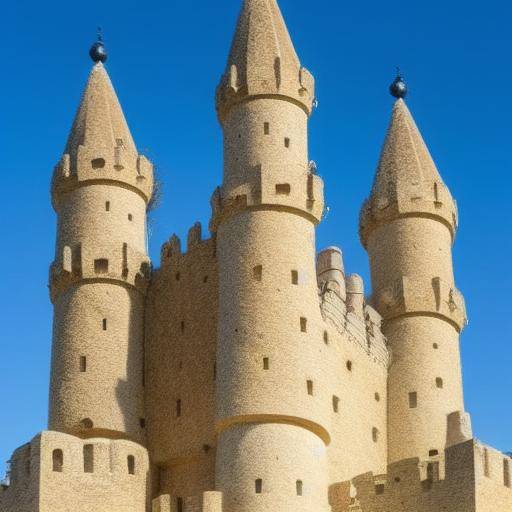
Traveling across Europe is like diving into a history book. Among its historical treasures, castles stand out as witnesses of centuries of intrigue, power and mystery. In this article, we will explore the most mysterious castles in Europe, unearthing their fascinating stories and their role in the historical evolution of the continent. From the legends that surround them to their architectural importance, this guide will provide a deep and exciting view of these iconic monuments.
History and History of the Castles in Europe
European castles are living witnesses of the history of the continent. From medieval fortresses to Renaissance palaces, each castle embodies the architectural and socio-political evolution of its time. These monuments not only served as defensive bastions, but also as centers of power, culture and art.
Origins and Evolution of Castles
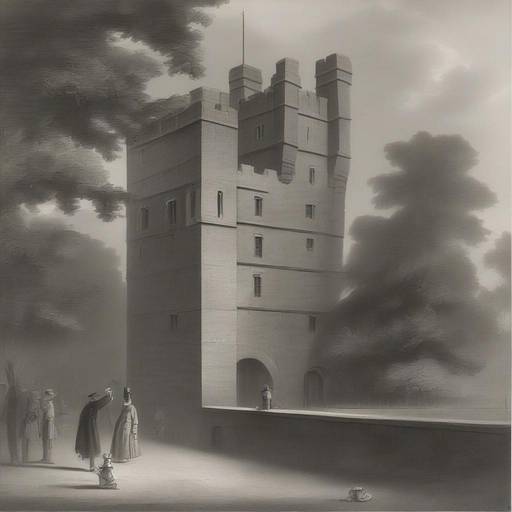
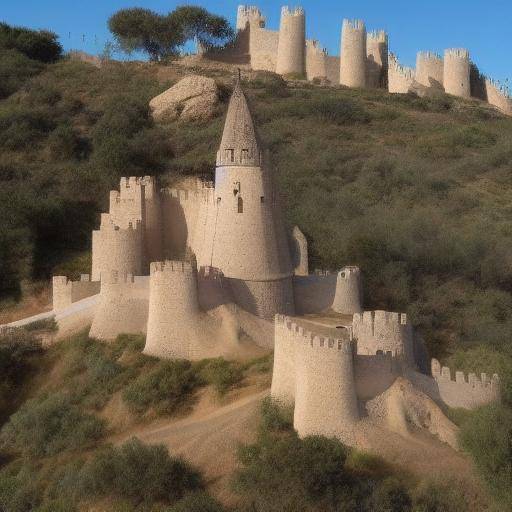
The concept of castle dates back to the Middle Ages, when the fortified structures played a crucial role in the defense of territories and in the consolidation of feudal power. Initially built in wood, the first castles soon evolved into imposing stone fortresses, equipped with impenetrable walls and defensive towers.
Historical Importance and Relevant Giros
Over the centuries, castles played a decisive role in war conflicts and in the consolidation of kingdoms and dominions. From crusades to wars of succession, these fortified bastions were scenarios of political intrigues, military confrontations and strategic alliances.
Anecdotes and Case Studies
Each castle has its own unique and often enigmatic history. From the legend of the ghost that roams through the towers to the treasure hidden in the labyrinthine passages, the anecdotes that surround these monuments are as many as fascinating. An example is the Bran Castle in Romania, related to the myth of Dracula, which awakens the curiosity of thousands of visitors every year.
Deep Analysis: Current Benefits, Challenges and Trends
European castles are not only historic treasures, but also cultural and tourist assets that face various challenges and take advantage of contemporary opportunities.
Current Challenges and Opportunities
The maintenance of these historical monuments is one of the most significant challenges. The restoration, conservation and sustainable management of castles have become priorities to preserve them for future generations.
Perspectives and Varied Reviews
The castles are not only the subject of admiration, but also of debate. The balance between the protection of historical heritage and adaptation to modern demands poses challenges in terms of its function and preservation.
Statistics, Case Studies and Real Examples
Some castles have managed to reinvent themselves as tourist destinations, cultural centers or venues for events. This transformation has proven to be an effective strategy for its conservation and sustainability.
Comprehensive Review: Applications, Case Studies and Best Practices
Beyond its historical and cultural value, European castles offer valuable lessons in terms of heritage management, sustainable tourism and community development.
Applications, Cases of Use and Best Practices
Some castles have served as scenarios of film production, generating additional revenue and international projection. This diversification of uses has contributed to its preservation and relevance in the modern era.
Opinions of Experts and Future Perspectives
Experts on heritage management and cultural tourism express the importance of an integral vision for the preservation of castles, which combines the conservation of the historical legacy with the adaptation to contemporary needs. Public-private collaboration, sustainable tourism and heritage education are key elements in ensuring the durability of these monuments.
Comparative Analysis: Castles, Europe and History
The presence of castles in Europe has left an indelible mark in the history of the continent, linking its legacy to political, social and cultural events.
Similarities, Differences and Possible Synergies
The various architectural styles, from medieval sobriety to Renaissance opulence, reflect the different eras and styles of government in Europe. However, they all share the same function of being defensive bastions and symbols of power.
Examples and Scenarios Detailed
The contrast between the castles of northern Europe, with its fortified and functional character, and the palaces of the south, which reflect Arab and eastern influences, offers a diverse panorama that enriches the understanding of European history.
Practical Tips and Accessible Recommendations
For history enthusiasts and travelers, visiting castles in Europe is an enriching experience. Here are some practical tips to make the most of your historic adventure.
- Pre-research the castles you plan to visit, familiarizing yourself with their stories and opening hours.
- Consider hiring a local guide for a deeper perspective of history and architectural details.
- Take advantage of the opportunity to explore the surroundings of the castles, discovering landscapes and villages that are part of their historical surroundings.
Industry Perspectives and Expert Reviews
Experts in history, architecture and heritage management share valuable insights and recommendations on European castles.
Futures and Trends of the Industry
The preservation of castles in Europe faces challenges and opportunities in the modern era. Digitalization, innovation in cultural tourism and international collaboration are key to their relevance and future sustainability.
Case Studies and Practical Applications in Real Life
Through concrete cases, we will explore how European castles have been revitalized and adapted to contemporary demands, keeping their historical essence.
Results, Lessons Learned and Examples
We will study successful cases of management and adaptation, analyzing how castles have managed to stay relevant and attract diverse audiences, from historians to lovers of experiential tourism.
Future Trends and Predictions
The legacy of castles in Europe will continue to evolve in a changing world, anticipating new trends and challenges.
Emerging Trends and Future Predictions
The integration of digital technologies, such as virtual reality and increased experience, will open up new opportunities for historical interpretation and public participation in the preservation of castles.
Conclusion: Synthesis and Perspectives
The history of European castles is a fascinating upholstery that combines drama, beauty and mystery. Through this historic guide, we have explored the most mysterious and fascinating aspects of these monuments, revealing their importance in the historical evolution of Europe.
FAQs about Castles, Europe and History
What are some of the most mysterious castles in Europe?
Europe hosts numerous castles with fascinating stories, such as Bran Castle in Romania, associated with the legend of Dracula, and Leap Castle in Ireland, linked to ghost stories and inexplicable events.
How did castles influence the history and politics of Europe?
The castles played a critical role in consolidating feudal power, defending territories and strategic alliances for centuries of military conflicts and confrontations in Europe.
What is the importance of castles in European architecture?
European castles represent architectural and defensive evolution throughout different eras, from medieval fortresses to Renaissance palaces, reflecting unique styles and techniques of construction.
What is the impact of tourism on the preservation of European castles?
Tourism plays a crucial role in the preservation and revitalization of castles, providing financial resources and raising awareness of their historical and cultural value.
What are the current trends in castle management and conservation in Europe?
Current trends include sustainable conservation approaches, diversification of castle uses, digitization of experiences and international collaboration in preservation projects.
What practical recommendations can visitors interested in exploring castles in Europe follow?
It is advisable to investigate previously about castles, consider hiring local guides, and explore the surroundings to get a more complete perspective of history and architecture.
What are the future prospects for European castles in a changing world?
Future perspectives include the integration of digital technologies, innovation in cultural tourism and international collaboration as key avenues for preserving the relevance and sustainability of European castles.
Throughout this historic guide, we have discovered the secrets and importance of the most mysterious castles in Europe, exploring its history, influence and future prospects. These emblematic monuments continue to captivate visitors and provide a fascinating window to the rich historical heritage of the continent.