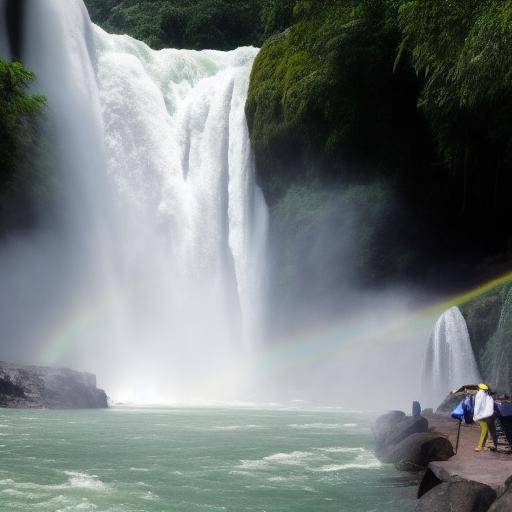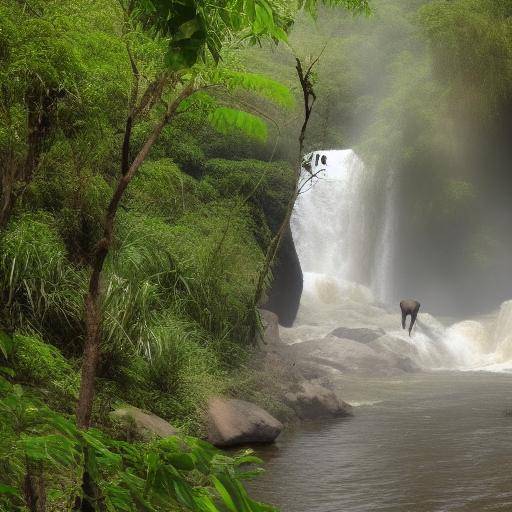

The Gold Coast coast, Australia, offers much more than perfect waves for surfing. Its marine ecosystems host amazing biodiversity and provide abundant opportunities for exploration and learning. In this article, we will explore the wealth of Gold Coast marine ecosystems, their historical importance, current challenges, future trends and the relationship of these ecosystems with nature, with the aim of providing detailed and valuable information on this exciting issue.
Introduction
The Gold Coast coast, bathed in the quiet waters of the Pacific Ocean, is known mainly for its stunning beaches and its famous surfing environment. However, behind this reputation, a submarine world of unique and extraordinary wealth is hidden. The marine ecosystems found in the waters of Gold Coast are a fascinating universe to discover, which hosts a surprising diversity of life forms, from colourful corals to majestic whales.
Fauna and Flora Marina
Gold Coast marine ecosystems are home to a wide variety of marine species, both large and small. From majestic humpback whales to tiny seahorses, each creature plays a crucial role in the natural balance of these ecosystems. Coral reefs, in particular, host an amazing diversity of marine life, making them real oasis of biodiversity.
Coastal habitats
In addition to its underwater waters, Gold Coast also hosts a number of coastal habitats that are essential for the conservation of surrounding marine ecosystems. Mangroves, wetlands and sandy beaches play an essential role in the protection of marine life, providing shelter, food and breeding areas for a large number of species.
Conservation and Sustainability
Despite its natural beauty, Gold Coast’s marine ecosystems face numerous challenges, ranging from water pollution to the impact of climate change. However, there are significant ongoing efforts to preserve and protect these valuable marine environments. Conservation programmes, environmental education and the promotion of sustainable practices are critical to ensuring the long-term survival of Gold Coast marine ecosystems.
Relationship with Nature
Gold Coast marine ecosystems are intrinsically linked to nature as a whole, playing a vital role in the global health of our planet. The conservation of these ecosystems not only benefits marine species, but also contributes to the protection of biodiversity in general and the preservation of natural resources for future generations.
Conclusions
In conclusion, Gold Coast marine ecosystems represent a natural treasure that deserves to be protected and appreciated. Their unique biodiversity, the challenges they face and their close relationship with nature make them a subject of great importance and interest. By understanding and assessing the wealth of these marine ecosystems, we can work together to ensure their preservation and promote a sustainable balance between humanity and nature.
Frequently asked questions
Why is the conservation of Gold Coast marine ecosystems important?
The conservation of Gold Coast marine ecosystems is crucial because of its role in preserving biodiversity, protecting endangered marine species and contributing to the overall health of the oceans.
What kind of marine life can be found in Gold Coast marine ecosystems?
Marine life in Gold Coast marine ecosystems is diverse and includes corals, tropical fish and other forms of marine life to marine mammals such as humpback whales and dolphins. Each of these agencies plays a vital role in the ecological balance of these ecosystems.
How does tourism affect Gold Coast marine ecosystems?
Tourism can have both positive and negative impacts on marine ecosystems. Sustainable tourism operators can promote environmental conservation and awareness, while irresponsible tourism can cause damage to marine habitats and wildlife.
What are the main challenges facing Gold Coast marine ecosystems today?
Challenges include water pollution, ocean acidification, global warming, overfishing and coastal habitat degradation. These problems threaten the health of marine ecosystems and their biodiversity.
What is being done to preserve and protect Gold Coast marine ecosystems?
Local authorities, environmental organizations and the community are carrying out conservation programs, water quality monitoring, coastal cleaning campaigns, environmental education and promotion of sustainable practices to protect these ecosystems.
How can visitors contribute to the conservation of marine ecosystems during their stay in Gold Coast?
Visitors can support the conservation of marine ecosystems through the adoption of responsible practices, such as the minimization of the use of plastics, participation in coastal cleaning activities and support for tourism operators that promote environmental sustainability.
What steps are being taken to mitigate the impacts of climate change on Gold Coast marine ecosystems?
Actions include reducing carbon emissions, identifying marine protected areas, restoring coastal habitats and research on the adaptation of marine life to climate change.
With these answers, I hope to have cleared your doubts about Gold Coast's marine ecosystems and their relationship with nature. They are undoubtedly a matter of great importance that deserves our attention and commitment to their preservation for future generations.
As you can see, Gold Coast's marine ecosystems are a treasure of biodiversity and natural beauty that deserves to be protected and preserved. In understanding their importance and the challenges they face, we can work together to ensure that these valuable ecosystems continue to thrive and provide benefits to both marine life and humanity as a whole.