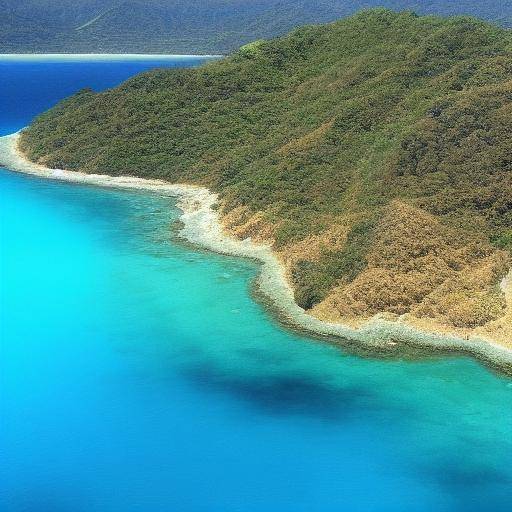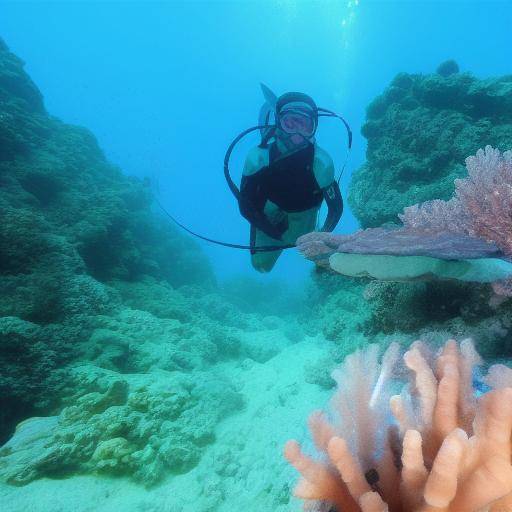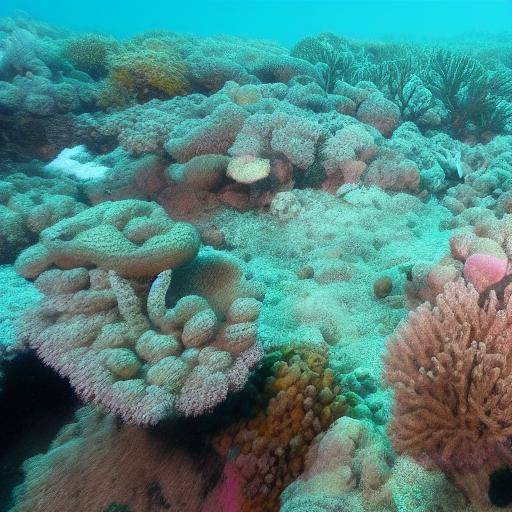

Welcome to Phillip Island!
Phillip Island, a natural treasure located on the southern coast of Australia, hosts an interesting interaction between local communities and the iconic fauna of the island, the penguins. This coexistence has led to entrenched traditions and enriched local culture, creating a unique environment that deserves to be explored. From history and traditions to future perspectives, in this article, we will discover the fascinating relationship between local communities and penguins on Phillip Island, and how it has shaped local and Australian culture in general.
History and Background
Phillip Island, named in honor of the first governor of New South Wales, Arthur Phillip, has a rich history that goes back to the indigenous cultures that considered it sacred. With the European settlement, the island became an important agricultural and fishing enclave. Over the years, it has become a world-renowned tourist destination, especially for its famous penguin reserve.
The arrival of tourists attracted by the natural beauty of the island and, in particular, by the observation of the penguins, has significantly impacted local communities. The relationship with these adorable marine animals has inspired rooted traditions throughout generations, consolidating the connection between wildlife and local culture.
Analysis in Deep
Tourism in Phillip Island has provided economic opportunities to local communities, but has also raised challenges in preserving the natural environment and sustainable tourism management. The need to balance the conservation of fauna with tourism development has been a central theme in local debates and has led to the implementation of innovative initiatives.
Local communities have worked closely with conservation organizations and government authorities to find solutions that benefit both the inhabitants of the island and wildlife. This multidisciplinary cooperation has led to educational programmes, scientific research and sustainable tourism strategies that have marked the international standard.
Comprehensive review
Exploring the link between local communities and penguins on Phillip Island not only provides a unique view of the interaction between nature and culture, but also serves as a model for sustainable tourism management in other coastal regions. The lessons learned in Phillip Island have the potential to influence policies and practices around the world, promoting a harmonious balance between wildlife and human communities.
Comparative analysis
By comparing the situation in Phillip Island with other regions, the importance of preserving cultural identity and biodiversity is evident. The coexistence between local communities and wildlife not only enriches cultural heritage, but also provides significant benefits for the local economy, education and environmental awareness.
Practical Tips and Accessible Recommendations
If you have the opportunity to visit Phillip Island, it is important to remember that the observation of penguins and other tourist activities should be carried out in a responsible way, following the guidelines established to protect the fauna and its environment. Supporting local communities through the purchase of local products, participation in cultural programmes and respect for traditions reinforces the social and economic fabric of the island.
Industry Perspectives and Expert Reviews
Experts note the importance of community participation and continuing education to ensure the long-term preservation of the relationship between local communities and wildlife in Phillip Island. Collaboration among various stakeholders, including Governments, non-governmental organizations, businesses and residents, is critical to ensuring a sustainable future for the island and its natural environment.
Case Studies and Practical Applications in Real Life
The holistic approach to tourism management in Phillip Island has proven to be a successful model, with valuable lessons that can be applied in other areas with similar challenges. The effective implementation of sustainable strategies has benefited both local communities and wildlife, demonstrating that harmonious coexistence between human beings and nature is possible.
Future Trends and Predictions
The future of local communities and penguins on Phillip Island seems promising, with a growing focus on sustainable tourism, environmental education and the preservation of local traditions. The island is expected to continue to serve as an inspiring example of how nature conservation can be effectively integrated into the daily lives of local communities.
Conclusion
The coexistence between local communities and penguins on Phillip Island is a moving testimony of how collaboration and mutual respect can shape a vibrant and sustainable local culture. The legacy of this interaction transcends generations, inspiring others to value the harmony between humanity and wildlife. Phillip Island, with its rich history, rooted traditions and pragmatic approach to sustainable coexistence, reflects how coexistence with nature can enrich our lives in unexpected ways.
Frequently asked questions
What is the best time to visit Phillip Island and see the penguins?
The best time to witness the penguins parade on Phillip Island is during the spring and summer months from September to February. During this period, visitors have the opportunity to witness the return of the penguins to their nests at sunset, a truly captivating show.
What is the importance of the responsible observation of penguins on Phillip Island?
The responsible observation of the penguins is essential to minimize the stress in these birds and preserve their natural environment. Following the guidelines established by park rangers and conservation organizations, visitors can enjoy this unique experience without disturbing the penguins or compromising their well-being.
What measures have been implemented to ensure the sustainability of tourism in Phillip Island?
Local authorities, in collaboration with conservation groups and the community, have implemented measures such as visitor limits, designated routes and educational programmes to promote sustainable tourism. In addition, actions have been established to reduce environmental impact and preserve natural habitats.
How does tourism in Phillip Island contribute to the well-being of local communities?
Tourism in Phillip Island generates income that benefits the local community through employment, business opportunities and support for public services. In addition, cultural exchange between visitors and residents strengthens social fabric and promotes pride for local traditions.
What is the role of local communities in wildlife conservation in Phillip Island?
Local communities play a key role in wildlife conservation in Phillip Island through participation in monitoring programs, promoting sustainable practices and supporting conservation initiatives. Its commitment contributes significantly to the protection of the natural environment and biodiversity.
What impact has the relationship between local communities and penguins had on Australian culture in general?
The relationship between local communities and penguins on Phillip Island has raised awareness of the importance of wildlife conservation and has enriched Australian cultural identity. This unique connection has inspired others to value and preserve wildlife throughout Australia.
With every step we take on Phillip Island and every furtive look at the unforgettable life of the penguins, there is a deep awareness of the importance of harmony between humans and nature. This coexistence is a tribute to the ancestral wisdom of local communities and an inspiration for future generations, reminding us of the beauty and responsibility of caring for our natural environment.
With a unique approach to the relationship between local communities and penguins, Phillip Island invites us to reflect on the importance of preserving the deeply rooted nature and cultural traditions. From rich history to future perspectives, this coexistence teaches us that, with respect, cooperation and dedication, we can forge a sustainable future in which humanity and wildlife prosper together.