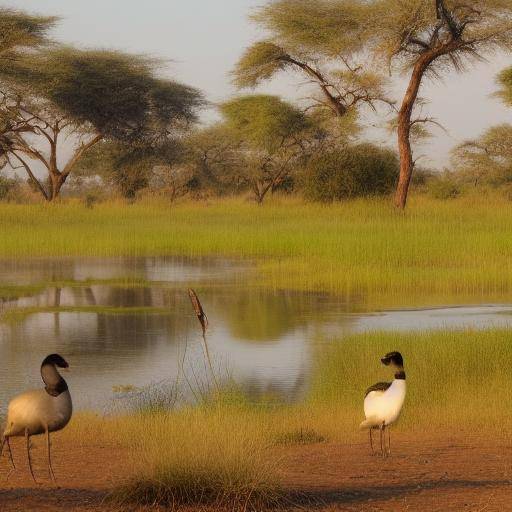
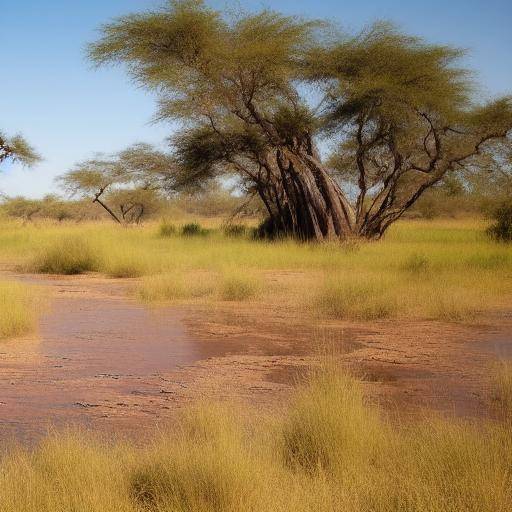
The Okavango River delta in Botswana is a place of great natural and cultural diversity. In this article, we will explore the rich traditions and daily lives of local communities in this unique region. From history and culture to future challenges and perspectives, immerse yourself in the beauty and complexity of this fascinating area. Discover how these communities have prospered over time and how their traditions remain an integral part of life in the Okavango delta.
Introduction
The Okavango delta region in Botswana is a natural and human treasure. Local communities living here have deep links with the land and water around them. Over the centuries, they have cultivated unique traditions and lifestyles that deserve to be celebrated and preserved. This article will take you to a journey through the deep-rooted traditions and vibrant daily lives of local communities in the delta of Okavango.
History and Background
The Okavango is much more than a river and a delta; it is the heart of life in Botswana. Local communities that have called this region their home for generations have developed a profound relationship with their natural environment. The history of the Okavango delta dates back to ancient times, when the indigenous tribes found refuge in their lush lands.
The traditions of the Okavango delta are intrinsically linked to the daily lives of its inhabitants. From fishing techniques to music and dance, every aspect of everyday life reflects the cultural wealth of the region. Festivals, ceremonies and spiritual practices are a vital part of the identity of local communities, and have lasted for centuries.
Deep analysis
Although life in the delta of Okavango is impregnated with beauty and tradition, local communities also face significant challenges. Sustainable management of natural resources, access to education and medical care are just a few of the problems that impact the daily lives of the inhabitants of the region. Despite these challenges, local communities have demonstrated significant resilience and capacity to adapt to a changing environment.
Exhaustive examination
The traditions and daily lives of local communities in the delta of Okavango offer valuable lessons for the modern world. Traditional wisdom and sustainable practices of these communities can serve as inspirational examples of how to coexist in harmony with nature. Their deep knowledge of the earth and its way of life in communion with nature are examples of sustainable practices that deserve to be shared and preserved.
Comparative analysis
By comparing the delta of Okavango, local culture and Botswana, deep interconnections that define the region are revealed. The cultural values rooted in local communities are intertwined with the national identity of Botswana, creating a rich tapestry of traditions and customs.
Practical Tips and Accessible Recommendations
If you have the opportunity to visit the delta of Okavango, we strongly recommend that you participate in the cultural experiences offered by the local communities. These authentic interactions will allow you to immerse yourself in the rich cultural heritage of the region and gain a deeper understanding of its vibrant lifestyle.
Conclusions and FAQs
Throughout this article, we have explored the deeply rooted traditions and the daily lives of local communities in the delta of Okavango. From their historical legacy to their contemporary challenges, these communities offer us valuable lessons on the importance of maintaining a harmonious balance with nature. We hope that this article has expanded your understanding of the rich culture and vibrant lifestyle that defines this unique region.
Frequently asked questions
- What makes the Okavango Delta region unique in terms of its culture and traditions?
- The delta of Okavango is not only known for its unique biodiversity, but also for the rooted traditions of its local communities. From traditional ceremonies to ancestral fishing methods, every aspect of everyday life reflects the rich culture of the region.
- What are the main challenges facing local communities in the Okavango delta?
- Despite their natural beauty, local communities face significant challenges such as sustainable resource management, limited access to educational and health services, and adaptation to climate change. These challenges test the resilience of local communities.
- How can I participate and support local communities during a visit to the Okavango delta?
- During your visit, consider participating in cultural activities organized by local communities. This will not only allow you to learn more about their way of life, but also to support economically through responsible and sustainable tourism.
- What is the importance of preserving traditions and the environment in the delta of Okavango?
- The cultural traditions and sustainable practices of local communities are critical to maintaining ecological and cultural balance in the region. Preserving these practices not only protects cultural heritage, but also ensures the long-term sustainability of the delta ecosystem.
- What lessons can other communities or regions of the Okavango Delta world learn?
- Life practices in harmony with the nature and capacity of local communities provide valuable lessons on sustainability and resilience. These principles can inspire similar initiatives in other parts of the world that face similar environmental and cultural challenges.
These frequent questions provide a more detailed and practical overview of the topics discussed in the article, helping readers to better understand the importance and complexity of local communities in the delta of Okavango.