
Introduction
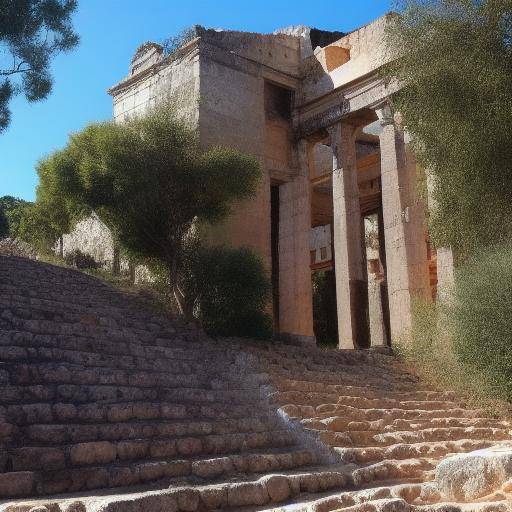
The Incas, a mysterious and powerful civilization that left a lasting legacy in history and culture. From its impressive ruins to its innovative cultural practices, its impact endures until today. In this article, we will thoroughly explore the legacy of the Incas, their fascinating history and how their culture has endured over time.
History and Background
The history of the Incas dates back centuries in the Andes, where one of the most advanced civilizations of the pre-Columbian era flourished. Known for their mastery in architecture, engineering, and technology, the Incas left a legacy that challenges the passage of time. From their rise to power in the 13th century to the Spanish conquest in the 16th century, the Incas forged an expansive empire that covered much of South America. We will explore its rise, its achievements, and the impact of its fall in the region.
Origen and Ascenso
The Incas emerged in the Cuzco Valley, where they established their capital and began their expansion. Known for their ability to conquer and unify diverse territories, they built an empire that encompassed Ecuador to Chile. We will highlight their military strategies, government systems and how they managed to forge a common identity among disparate cultures.
Conquest and Legacy
The conquest of the Incas by the Spaniards marked a crucial point in their history. We will explore the effects of conquest on Inca society, its culture, and how it has influenced contemporary legacy. In addition, we will analyze the lasting impact of its legacy on architecture, arts and traditions, which continue to resonate in the Andean region.
Deep analysis
Challenges and Opportunities
The history of the Incas presents unique challenges and opportunities to study and preserve their legacy. We will discuss the challenges of preserving the inca ruins, threats to their preservation and how they can be addressed in a sustainable manner. In addition, we will explore the opportunities for tourism and economic development arising from its historical legacy.
Cultural Diversity
Incaic culture is rich, diverse and full of meaning. We will explore their contributions to architecture, agriculture, arts and traditions, highlighting their influence in contemporary life. In addition, we will examine the oral tradition of the descendants of the Incas and their role in the transmission of culture.
Comprehensive review
Contemporary Approaches
The influence of the Incas remains evident in modern life. We will explore how culture and incas traditions have adapted and intertwined with contemporary life, highlighting its presence in gastronomy, music and festivities. We will also analyze the global diffusion of inca culture and its impact on the current world.
Outlook of Experts
We will speak with experts in the inca history and culture to gain a deeper understanding of your legacy. We will analyze your recent research, opinions and discoveries that have enriched our understanding of the Incas and their legacy, shedding light on unknown aspects of their history and culture.
Comparative analysis
Incas vs. Other Civilizations
We will compare the legacy of the Incas with other pre-Columbian civilizations to better understand their uniqueness and contributions to history and culture. We will highlight their differences and similarities with other cultures, exploring how they interconnected and how their legacy has impacted the contemporary world.
Practical Tips and Accessible Recommendations
Travel and Explore Incas Ruins
We will provide practical advice for those who wish to explore the inca ruins. From travel recommendations to conservation guidelines, we will help travelers understand and respect the historical and cultural value of these unique sites.
Crafts and Traditions
We will explore incas traditional crafts, their cultural significance and how to support local communities through the acquisition of authentic products. We will also provide advice to identify genuine and sustainable crafts, fostering the preservation of inca artisan traditions.
Industrial Perspectives and Expert Reviews
Economic and Social Impact
We will discuss the economic and social impact of the preservation of the inca legacy, highlighting its implications for sustainable development and cultural identity. We will investigate how government policies and conservation initiatives influence local society and economy, providing an integral vision of their contemporary relevance.
Interviews with Experts
We will collect perspectives and opinions from local and international experts in history, anthropology and tourism to better understand the importance of the inca legacy. Their knowledge and experiences in the field will provide a profound insight into the challenges and opportunities in the preservation and dissemination of inca culture.
Case Studies and Real Applications
Cultural innovations
We will present case studies that highlight innovative initiatives to preserve and promote inca culture in a changing world. We will explore successful projects that have revitalized the inca traditions and have creatively integrated them into contemporary society, demonstrating how inca culture remains relevant today.
Education and Dissemination
We will examine educational and outreach programmes that have contributed to spreading knowledge about the incas and their legacy. We will emphasize how education and public awareness are fundamental to ensuring the long-term preservation of inca culture, and how these programs can inspire future generations.
Future Trends and Predictions
Sustainable conservation
We will need emerging trends in the sustainable preservation of the inca legacy, focusing on innovative approaches and effective practices. We will also explore future projections for the preservation and dissemination of inca culture, identifying challenges and opportunities that will define its evolution in the coming decades.
Global Impact
We will analyze the global impact of inca culture and trends that could influence its international projection. From sustainable tourism to the digitalization of cultural resources, we will examine how inca culture will be integrated into a constantly changing global context, identifying possible scenarios and challenges.
Conclusion
In short, the legacy of the Incas transcends time and continues to impact contemporary history and culture. From their achievements in engineering to their rich cultural tradition, incas remain a source of inspiration and fascination for the world. As we explore your legacy, it is crucial to remember your importance and protect your heritage for future generations.
Frequently asked questions
What was the most significant achievement of the incas in architecture?
The Incas are known for their impressive architecture, highlighting the construction of Machu Picchu as one of its most outstanding achievements. Their ability to build durable structures in challenging environments and advanced engineering knowledge have shocked experts and visitors from around the world.
How did religion influence the lives of the Incas?
Religion played a central role in the lives of the Incas, influencing their rituals, festivals and social structures. Their worship of deities such as the sun and the moon, as well as their ceremonial practices, left a profound mark on their culture and traditions.
What is the contemporary relevance of inca culture?
Inca culture remains relevant today through its influence on the gastronomy, arts, tourism and cultural identity of the Andean communities. Its legacy persists in preserving traditions, promoting sustainable tourism and strengthening the cultural identity of local populations.
What is the importance of Incaic agriculture today?
Incaic agriculture laid the foundation for sustainable agricultural practices that continue to thrive in the Andean region. Its advanced terrace systems and the cultivation of native crops have inspired modern agricultural techniques and the preservation of biodiversity.
How did the Incas influence the pre-Columbian history of South America?
The impact of the incas on the pre-Columbian history of South America was significant, as they managed to unify much of the region through their empire. Their cultural and political legacy left profound traces on the civilizations that happened to them, influencing the identity and development of South American societies.
What are the challenges in preserving the inca ruins?
The preservation of the inca ruins faces challenges such as erosion, uncontrolled tourism and limited resource management. Governmental and non-profit organizations work hard to develop sustainable strategies that protect these precious relics from the past.
How can you contribute to the preservation of the Inca Legacy?
To contribute to the preservation of the inca legacy involves supporting local initiatives, respecting conservation regulations, and promoting responsible tourism. The acquisition of authentic handicrafts and support for community development projects are also effective ways of preserving and promoting inca culture.
What impact did the Spanish conquest have on the Inca culture?
The Spanish conquest resulted in profound changes in Inca culture, including the introduction of new religious beliefs, political systems and the influence on cultural practices. This transformative period marked the beginning of a new era in Inca history, which significantly influenced its contemporary culture.
In conclusion, the legacy of the Incas is an invaluable treasure that continues to enrich our understanding of history and culture. From their monumental achievements to their lasting traditions, the Incas continue to inspire and captivate those who explore their fascinating legacy. Its impact endures through generations, reminding us of the importance of preserving and honoring its rich legacy for futures.