
Introduction
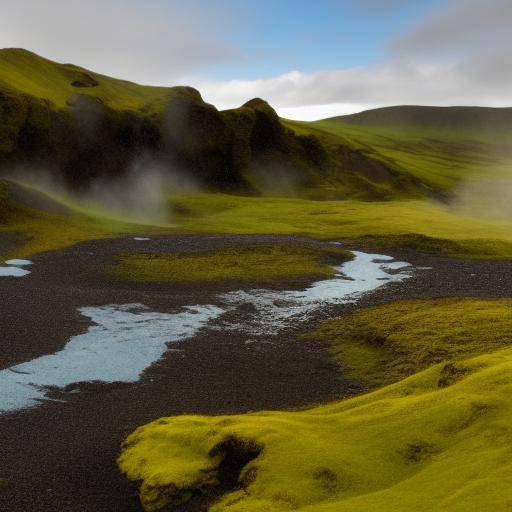
If you are a lover of nature and adventure, North America is the perfect place to explore stunning national parks. From majestic mountains to dazzling canyons and lush forests, this continent hosts a wide variety of protected natural landscapes that offer unique experiences for tourism lovers. In this essential guide, we will take you to a virtual journey through the most impressive national parks in North America, with detailed information, useful tips and highlights that will help you plan your upcoming outdoor adventures. Prepare to explore natural beauty in its maximum expression.
History and Background
North American national parks have roots that go back to the idea of preserving wild nature for future generations. In 1872, the president of the United States, Ulysses S. Grant, signed the law that created the Yellowstone National Park, the first national park in the world. This historic action laid the foundation for a conservation movement that spread across the United States, Canada and Mexico, leading to the protection of virgin natural landscapes and the preservation of wildlife.
During the 20th century, many other national parks were established in North America, each with unique features that reflect the geographical diversity and natural heritage of the continent. The creation of the United States National Parks Service in 1916 and similar agencies in Canada and Mexico has been instrumental in the conservation and effective management of these natural treasures.
Analysis in Deep
National parks play a crucial role in the conservation of biodiversity, the protection of fragile ecosystems and the promotion of sustainable ecotourism. Its impact goes beyond the preservation of nature, as it also contributes significantly to the local economy and the well-being of nearby communities. However, increased tourism and environmental challenges, such as climate change and habitat loss, pose important challenges to the long-term management and preservation of these parks.
The balance between conservation and sustainable tourism is a burning theme in the world of national park management. Finding solutions that minimize environmental impact while promoting meaningful experience for visitors is crucial to ensure the long-term viability of these natural destinations. Innovative strategies, such as visitor management, environmental education and collaboration between governments and non-profit organizations, are at the heart of efforts to ensure that North American national parks remain natural jewels for generations to come.
Comprehensive review
Each national park in North America offers a unique experience, from the grandeur of Grand Canyon in Arizona to the majesty of Rocky Mountain peaks in Canada. The diversity of landscapes, wildlife and outdoor activities is impressive. Some parks, such as Yosemite in California and Banff in Canada, are recognized worldwide for their spectacular landscapes and adventure opportunities.
The protection of these parks not only guarantees the preservation of wildlife and scenic beauty, but also offers visitors the opportunity to immerse themselves in pristine natural environments, away from the agitated rhythm of modern life. Explore trails, sight wildlife and camp under a starry sky are just some of the experiences that await those who venture into these natural treasures.
Comparative analysis
While each national park has its unique charm, some distinctive features unite them in a spirit of preservation and exploration of nature. In both the United States, Canada and Mexico, national parks are testimony to natural beauty and the importance of preserving it for future generations. By comparing their geographical characteristics, ecosystems and conservation measures, it is clear that these parks share a common commitment: to protect and promote the appreciation of nature in its purest state.
Tourism in North American national parks has experienced significant growth in recent years, which has generated economic benefits for local communities and has contributed to public awareness of the importance of conservation. However, this increase in visitation has also posed challenges, such as crowd management, protection of sensitive areas and mitigation of environmental impact. In response to these challenges, innovative strategies have been implemented to balance environmental preservation with significant experience for visitors, such as environmental education programmes, sustainable transport systems and access restrictions in sensitive areas.
Practical Tips and Accessible Tips
If you are planning to visit a national park in North America, here are some practical tips to ensure a satisfactory and respectful experience with the environment:
- Investigate and plan ahead: Know the regulations and requirements before your visit. Some parks require early bookings for camping or access to certain areas.
- It follows the rules: It respects the regulations of the park, such as the ban on feeding wildlife, leaving trash or deviating from the designated paths.
- Be aware of the environment: Practice ecotourism with respect for flora, fauna and natural landscapes. Just leave tracks and take your residue with you.
- It supports conservation: It contributes to the preservation of the park by buying entrance passes, supporting conservation programs and respecting the work of the park rangers and volunteers.
Industry ideas and Expert Reviews
According to tourism and conservation experts, the balance between the promotion of tourism and the protection of national parks is essential to ensure their long-term sustainability. Strategies such as environmental impact monitoring, visitor management and public education are key to preserving these valuable natural resources.
In addition, collaboration between Governments, NGOs and the local community is essential to addressing the current and future challenges facing national parks. Promoting the active participation of visitors in conservation and promoting responsible tourism are key aspects to ensuring that these natural destinations remain a legacy for future generations.
Case Studies and Real Life Applications
A notable example of successful conservation is the Yosemite National Park in California. Over the years, the park has implemented effective measures to preserve its fragile ecosystems, while promoting an enriching experience for visitors. Prairie restoration programs, sustainable transport and environmental education have contributed to the long-term protection of this iconic park.
Another case of study is the Banff National Park in Canada, which has developed innovative strategies to mitigate the impact of tourism on its ecosystems while providing meaningful experiences for visitors. Wildlife conservation programmes, sustainable hiking trails and ecological transport systems are examples of successful initiatives to balance conservation with sustainable tourism.
Future Trends and Predictions
Emerging trends suggest a growing focus on sustainability, conservation and responsible tourism management in North American national parks. Technological advances, such as environmental monitoring systems and interactive applications for visitors, are expected to play a crucial role in park management to ensure an enriching experience for visitors while protecting fragile ecosystems.
In addition, greater emphasis is placed on diversity and inclusion in access to nature, with programmes that seek to involve underrepresented communities in the conservation and enjoyment of national parks. This aims to create a culture of universal appreciation for nature and promote conservation as a collective and inclusive effort.
Conclusion and Frequently Asked Questions
Conclusion
North American national parks are natural treasures that offer a window to the beauty and biodiversity of the continent. They witness the importance of preserving nature in its purest state, while providing opportunities for meaningful connection with the natural environment. By exploring these parks, visitors have the opportunity to immerse themselves in stunning natural scenarios, experience outdoor adventures and contribute to the preservation of these unique ecosystems.
The future of national parks depends on collaboration between governments, conservation organizations, local communities and visitors. It is crucial to promote sustainable tourism practices, promote environmental education and maintain a firm commitment to the preservation of these valuable natural resources. Through these initiatives, we can ensure that North American national parks remain a lasting legacy for future generations.
Frequently asked questions
What are the most popular national parks in North America?
The most popular national parks include Yellowstone, Grand Canyon, Yosemite, Banff, Zion, Great Smoky Mountains, among others. Each offers stunning landscapes and a variety of outdoor activities.
What is the best time of the year to visit American national parks?
The best time to visit varies according to the park. Usually, spring and autumn offer pleasant temperatures and fewer crowds, while summer is ideal for outdoor activities. Winter provides unique opportunities, such as wildlife observation and snowy landscapes.
How can I contribute to the conservation of national parks during my visit?
You can contribute by purchasing entrance passes, supporting conservation programs, following the park's rules, practicing responsible tourism and participating in volunteer activities if available.
What steps are being taken to address the increase in tourism in national parks?
Strategies such as visitor management, sustainable transport systems, environmental education and access restrictions are being implemented in sensitive areas. The objective is to balance environmental preservation with a significant experience for visitors.
What environmental challenges do North American national parks face?
National parks face challenges such as climate change, habitat loss, water management and the protection of endangered species. Mitigation of these challenges is crucial to ensuring long-term preservation.
What is the economic impact of national parks on local communities?
National parks generate significant economic benefits for local communities through tourism, job creation and support for the service industry. They also promote public awareness of the importance of conservation.
In short, North American national parks offer an incomparable window to the natural beauty of the continent, while they represent the importance of preserving these ecosystems for future generations. By adopting sustainable tourism practices, fostering environmental education and promoting conservation, we can ensure that these natural treasures perish for the enjoyment of future generations.