
Introduction
Opera is an art that has captivated audiences around the world for centuries, and Europe is its cradle. From majestic historical theaters to shocking performances, operas in Europe offer an incomparable cultural experience. In this article, we will make a tour of the most iconic operas on the continent, discovering its history, its importance and its impact on the world music scene. Prepare your senses, a fascinating journey awaits us!
History and Background
The opera has its roots in the Italian Renaissance of the sixteenth century, with the search to revive the ancient form of Greek theatre. The first opera theatre, Teatro San Cassiano, was founded in Venice in 1637. Since then, the opera has become an emblematic artistic expression of Europe, with renowned opera houses in Italy, Germany, France and other countries.
The development of the opera has been marked by significant moments, such as the emergence of prominent composers such as Mozart, Verdi and Wagner, whose works have left a mark on musical history. The opera has faced challenges over the centuries, such as the adaptation to new artistic trends and the evolution of the preferences of the public, but it has endured as an incomparable cultural treasure.
Analysis in Deep
The opera has experienced a revitalization in the 21st century, with innovative productions that attract young and diverse audiences. According to recent data, opera assistance has increased throughout Europe, reflecting renewed interest in this form of art. Opera festivals in cities such as Milan, Vienna and Paris attract visitors from around the world, generating a significant economic impact for the region.
Despite its resurgence, the opera faces challenges in the digital era, where competition for public attention is fierce. However, the combination of tradition and avant-garde, together with efforts to democratize access to opera, has strengthened its relevance in the contemporary cultural landscape.
Exhaustive examination
By exploring the different operatic traditions in Europe, distinctive nuances and approaches that enrich the experience of the public are revealed. From the Italian opera, known for its exciting arias, to the German opera, characterized by its epic narratives, each tradition brings something unique to the musical world. The socio-economic impact of opera in Europe is undeniable, generating employment, tourism and cultural development opportunities in the cities that host these magnificent productions.
Comparative analysis
By comparing the cultural wealth of operas in Europe, it is clear that each country has an exceptional artistic heritage that deserves to be celebrated. While the Italian opera stands out for its emotivity and passion, the German opera is distinguished by its philosophical depth and focus on myths and legends. For its part, the French opera stands out for its sophistication and elegance, reflecting the belle époque of European history.
Practical Tips and Accessible Tips
If you plan to attend an opera in Europe, here are some practical tips to make the most of this unique experience:
- Research the history and context of the opera you plan to witness to enrich your understanding.
- Explore the variety of productions available, from timeless classics to avant-garde reinterpretations.
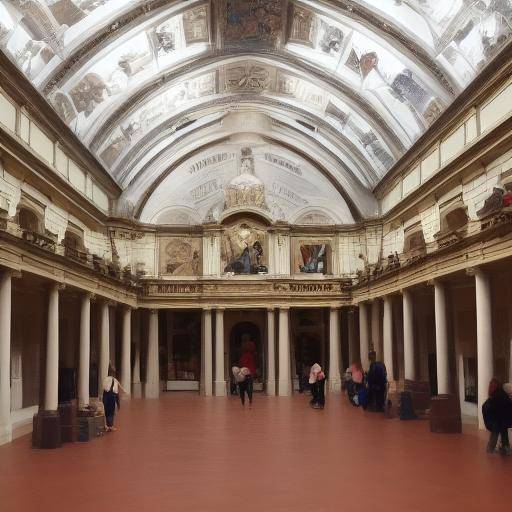
- Consider participating in guided tours to historical theaters to learn about their legacy and impressive architecture.
Conclusions and FAQs
After this tour of the most iconic operas in Europe, it is evident that the opera heritage of the continent is incomparable in its rimportance and diversity. From the majesty of La Scala in Milan to the splendour of the Teatro Real in Madrid, Europe offers countless operatic experiences that dazzle music lovers around the world. Do not miss the opportunity to immerse yourself in the magic of opera in Europe and discover the cultural wealth that continues to captivate today's audiences.
FAQs
**1. What is the most famous opera in Europe?**The most famous opera in Europe varies according to the preferences and opinions of different people, but often mention titles such as "La Traviata" by Verdi, "La Bohème" by Puccini, "Carmen" by Bizet, and "Tosca" by Puccini, among others.
**2. What is the best destination in Europe to enjoy the opera?**Italy is known for its famous opera theatres, such as La Scala in Milan, the Teatro la Fenice in Venice and the Teatro dell'Opera in Rome. Other European cities highlighted by their opera scene include Vienna, Paris, Berlin and London.
**3. What is the difference between Italian, German and French opera?**The Italian opera tends to focus on emotional arias and passionate narratives, while the German opera is characterized by deeper philosophical themes and more epic approaches. The French opera stands out for its sophistication and elegance, often associated with the belle époque of European history.
**4. What is the most accessible way to enjoy the opera in Europe?**Many opera theatres offer more affordable ticket programs, especially for students and young people. In addition, some productions are broadcast in cinemas or outdoors in European cities, providing the opportunity to experience the opera more easily.
**5. Is the opera still relevant in the digital age?**Yes, the opera has demonstrated its relevance in adapting to the digital era through online broadcasts, social media promotion campaigns and the creation of innovative productions that attract young and diverse audiences.
**6. What is the economic impact of the opera in Europe?**The opera generates a significant economic impact in Europe, both through cultural tourism and job creation in creative industries and entertainment.
Conclusion
In short, European operas represent an invaluable artistic legacy that has resisted the passage of time and continues to enchant audiences of all ages and origins. From timeless compositions to innovative contemporary productions, opera remains an inexhaustible source of beauty, emotion and inspiration. Dare to immerse yourself in this unique musical journey and discover a world of incomparable fascination.
With this tour of the most iconic operas in Europe, we hope to have aroused in you greater appreciation for this theatre show of great historical and cultural significance. Thank you for accompanying us on this musical journey through the magnificent universe of European opera!