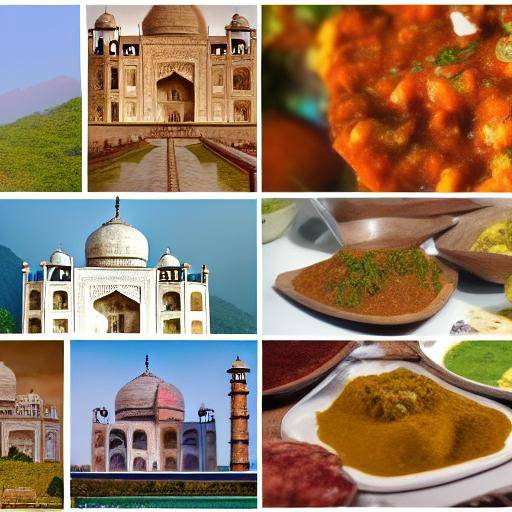
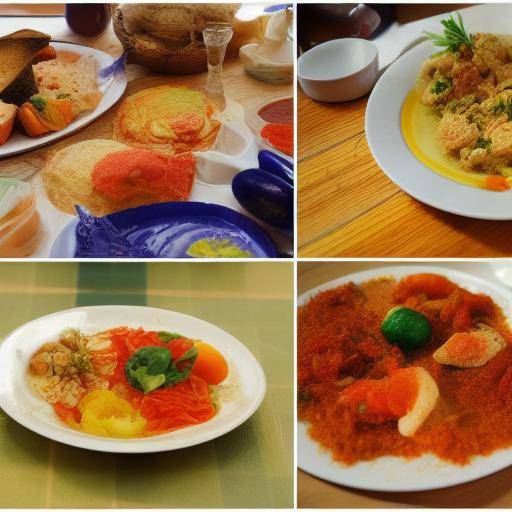
In this guide, we will explore the most relevant aspects of Indian cuisine, highlighting the most representative typical dishes. From its rich history to current trends, you will discover the culinary diversity that defines Indian cuisine. In addition, we will provide practical advice and expert views to enrich your understanding of this fascinating gastronomic culture.
Introduction to Indian Gastronomy
India, known for its impressive cultural and culinary diversity, offers a range of exquisite flavors that go beyond the famous curry. Indian gastronomy is an amalgam of traditions, regional flavors and various cooking methods, dating back to thousands of years. In this article, we will explore iconic dishes that capture the essence of this rich gastronomic heritage.
History and Origins of Indian Gastronomy
India's culinary history is as diverse as its culture. From ancient Vedic texts to the influence of royal dynasties, Indian gastronomy has evolved over millennia. Cultural exchange with civilizations such as Persian, Arab and British has left an indelible mark on Indian cuisine, giving it a unique identity.
Influences and Evolution
Indian cuisine found a perfect balance between the use of aromatic spices, fresh herbs and sophisticated culinary techniques. The introduction of rice, the use of bread cookers and the diversity of curries are just a few examples of its continuous evolution over the centuries. These elements have contributed to the formation of emblematic dishes that are appreciated worldwide.
Detailed Analysis of Indian Gastronomy
Regional Variety and Global Popularity
Regional diversity is one of the highlights of Indian gastronomy. From the vindaloo spicy of Goa to the sweet halwa of Punjab, each region has its own repertoire of culinary delights. This diversity has made Indian cuisine popular worldwide, with restaurants specializing in its emblematic dishes present in almost every corner of the globe.
Benefits and Challenges
The Indian diet, rich in spices and herbs, has been the subject of studies that highlight its health benefits. However, the complexity of some recipes and the need for specific ingredients can present challenges for those who wish to enter Indian cuisine. It is vital to understand the correct combination of spices and their use to get the authentic taste of these dishes.
Comprehensive Review of the Typical Indian Plates
Applications and Best Practices
Explore authentic methods of preparation, such as tandoor or temperate technique, provides a detailed view of Indian cuisine. In understanding best practices, gastronomy enthusiasts can recreate iconic dishes with exceptional authenticity and flavor.
Perspectives of Future Experts and Trends
Culinary chefs and experts offer valuable insights into the current and future trends of Indian cuisine. His vision of innovation in presentation and the incorporation of modern techniques in traditional dishes sheds light on the continuous evolution of this centenary cuisine.
Comparative Analysis of Indian Gastronomy
The richness and eclecticism of Indian gastronomy make a notable difference from other regional cuisines. While the south stands out for its rice and coconut dishes, the north is known for its bread and dairy preparations. This diversity allows guests to enjoy a wide range of flavors, textures and aromas throughout India.
Practical Tips and Recommendations
Creating an Authentic Experience
Authenticity is the key to fully enjoying Indian cuisine. From the selection of fresh spices to the proper toast technique, following traditional practices can raise culinary experience to another level.
Exploring Essential Ingredients
Understanding and selecting authentic ingredients is essential to prepare typical Indian dishes. It is important to learn about essential spices, such as cumin, turmeric, cilantro and cardamom, which impart the distinctive flavors of Indian cuisine.
Industry Perspectives and Expert Reviews
Innovation and Tradition
Gastronomy experts point out the importance of maintaining a balance between culinary innovation and respect for traditions. This combination allows the creative reinterpretation of iconic dishes without losing its essence, a crucial aspect in the evolution of Indian cuisine.
Case Studies and Practical Applications
Case studies reveal how Indian gastronomy has transcended borders, adapting to different cultures and palates around the world. From the fusion of flavors to the creation of modern variants, these examples illustrate the versatility and long-lasting attractiveness of Indian cuisine.
Future Trends and Predictions
Globalization of India Kitchen
Current trends indicate that Indian cuisine will continue to gain popularity in the global area, with more and more specialized restaurants and the introduction of Indian ingredients and techniques in Western cuisine. This cultural diffusion highlights the continued appreciation of Indian gastronomy worldwide.
Conclusions and FAQs
By exploring the culinary wealth of India, it is evident that its gastronomy goes beyond curry, offering an infinity of flavors, textures and aromas that captivate the senses. From its historical origins to its impact on the global gastronomic scene, Indian cuisine continues to leave an imprint on the culinary world.
Frequently asked questions
What makes Indian gastronomy unique?
The richness of spices, regional diversity and distinctive culinary technique make Indian cuisine truly unique and captivating for lovers of good eating.
What are the most representative dishes of Indian cuisine?
Plates such as biryani, paneer tikka, dosa, tandoori chicken and rogan josh are just a few examples of the wide range of delicacies offered by Indian cuisine.
How can I prepare authentic Indian dishes at home?
Follow authentic recipes, use fresh ingredients and understand the proper use of spices are fundamental steps to prepare authentic Indian dishes at home.
What is the impact of Indian cuisine worldwide?
The influence of Indian cuisine spreads worldwide, with restaurants specializing in its increasingly popular dishes and ingredients in various culinary cultures.
Is Indian cuisine suitable for special diets such as vegetarianism or veganism?
Indian cuisine offers a wide variety of vegetarian and vegan dishes that are delicious and satisfying, making it an ideal choice for those with special diets.
What are the secrets to achieve the authentic taste of Indian cuisine?
The proper combination of spices, precise cooking technique and freshness of the ingredients are the pillars to achieve the authentic taste of Indian cuisine.
With this comprehensive guide, we hope to have aroused your curiosity and appreciation for the rich and diverse culinary tradition of India. Encourage yourself to explore and enjoy your iconic dishes beyond curry!