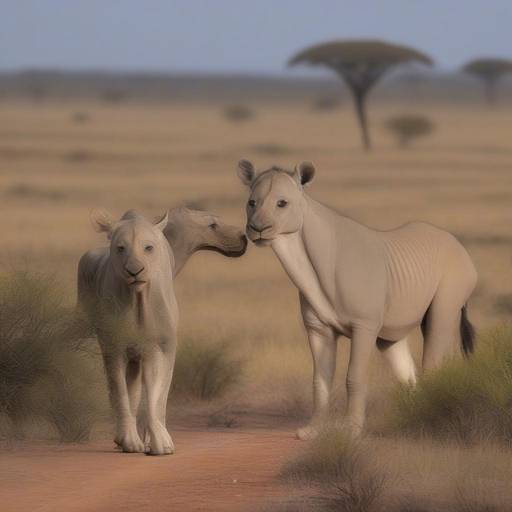

The Masai Mara, a natural paradise located in Kenya, is famous for its spectacular wildlife and lush beauty. However, behind this natural wonder is a fascinating history of conservation that has been fundamental to preserving this precious ecosystem. In this article, we will explore the history of conservation in the Masai Mara, its challenges, achievements and the impact of these initiatives.
Introduction
The Masai Mara, also known as the Masai Mara National Reserve, is an iconic destination for wildlife lovers. Its vast plains serve as home to an extraordinary diversity of animals, including lions, elephants, zebras, gazelles and much more. This unique ecosystem also attracts millions of tourists and photographers each year, generating an important economic boost for the region.
However, this natural paradise has faced significant challenges, including pressure for human development, poaching and climate change. Conservation in the Masai Mara has played a vital role in preserving this unique ecosystem. In this article, we will explore the history of these conservation initiatives, their achievements, current challenges and the impact of these actions on the future of the Masai Mara.
History and Background
Origins of Conservation in the Masai Mara
The history of conservation in the Masai Mara has its roots in concerns about the decline in wildlife, the degradation of habitat and the need to protect this ecosystem for future generations. Over the years, various organizations, local communities and governments have collaborated to establish effective conservation strategies.
Significant Milestones and Developments
Since the creation of the Masai Mara National Reserve until the implementation of environmental education programmes, significant milestones have been achieved in the history of conservation in this region. The adoption of innovative technologies, such as wildlife monitoring and the introduction of sustainable practices, has played a crucial role in ecosystem protection.
Challenges and Overcoming Obstacles
Despite achievements, conservation in the Masai Mara has faced persistent challenges, including pressure for development, habitat fragmentation and the threat of endangered species. The response to these challenges has required a comprehensive approach that involves local communities, conservationists and political leaders.
Analysis in Deep
Current Benefits and Challenges
Conservation in the Masai Mara has brought a number of tangible benefits, including the protection of biodiversity, the preservation of traditional lifestyles and the promotion of sustainable tourism. However, challenges such as coexistence with wildlife, management of human-life conflicts and financial sustainability remain critical aspects to address.
Current trends and prospects Futures
Current trends in the conservation of the Masai Mara reflect a renewed approach to community participation, the implementation of science-based conservation strategies and the promotion of sustainable practices. A look at the future reveals the need for greater intersectoral collaboration and adaptation to emerging challenges, such as climate change and population growth.
Practices and Best Practices
Successful conservation practices in the Masai Mara offer valuable lessons for other regions of the world. From ecotourism initiatives to participatory management plans, these practical applications highlight the importance of adapting conservation strategies to local dynamics and promoting sustainable development.
Comparative analysis
###Comparation of the Masai Mara with Other Natural Reserves
By comparing the Masai Mara with other natural reserves, similarities and differences are highlighted in terms of biodiversity, pressure for development and conservation approaches. This comparison offers unique perspectives on universal challenges and adaptive solutions that can be applied globally.
Synergies between Conservation and Cultural History
Conservation in the Masai Mara is intertwined with the rich cultural history of local communities, which provides opportunities to integrate traditional knowledge and ancestral practices into conservation strategies. The preservation of cultural history not only enriches ecosystem management, but also promotes inclusion and respect for cultural diversity.
Practical Tips and Accessible Recommendations
Strategies for a Responsible Visit to the Masai Mara
If you plan to visit the Masai Mara, it is essential to adopt responsible practices that minimize environmental impact and contribute to the well-being of local communities. By choosing sustainable tourism operators, respecting wildlife observation patterns and supporting community development projects, visitors can contribute positively to the conservation of this ecosystem.
Community Participation in Conservation
The active participation of local communities is a fundamental pillar of conservation in the Masai Mara. Through collaboration in ecotourism projects, natural resource management and environmental education, communities play a vital role in protecting the ecosystem and promoting sustainable development.
Industry Perspectives and Expert Reviews
Interviews with Conservation Experts
The views of conservation experts offer a deep insight into current challenges and opportunities to strengthen conservation initiatives in the Masai Mara. From innovative strategies to the identification of areas of improvement, these informed perspectives fuel dialogue on the future of conservation in this emblematic region.
Case Studies and Practical Applications in Real Life
Successful Experiences of Conservation
Through case studies, there are concrete experiences that illustrate how conservation in the Masai Mara has positively transformed landscapes, communities and wildlife. These practical examples provide evidence of the real impact of conservation strategies and serve as inspiration for other contexts.
Future Trends and Predictions
Emerging Trends and Challenges in the Horizon
The future landscape of conservation in the Masai Mara is developed with dynamic challenges and opportunities, including the need to adapt to climate change, ensure financial sustainability and address the interconnections between conservation and development. These trends provide an integral view of the paths to be followed to ensure the resilience of the ecosystem in the long term.
Conclusion
In conclusion, the history of conservation in the Masai Mara is a testimony of the dedication, innovation and collaboration necessary to protect a natural heritage of incalculable value. As this region continues to face challenges and opportunities, conservation in the Masai Mara is presented as an inspiring model of harmonious coexistence between wildlife, local communities and sustainable development.
FAQs
1. What are the biggest challenges of conservation in the Masai Mara?
The greatest challenges include pressure for development, wildlife conflicts and local communities, and the financial sustainability of conservation initiatives.
2. How can tourists contribute to conservation in the Masai Mara during your visit?
Tourists can contribute by choosing responsible tourist operators, respecting wildlife observing standards and supporting community development projects.
3. What is the role of local communities in the conservation of the Masai Mara?
Local communities play a crucial role in conservation through participation in ecotourism projects, natural resource management and the promotion of environmental education in their communities.
4. What steps are being taken to mitigate the impact of climate change on the Masai Mara?
Measures include reforestation, climate monitoring, renewable energy projects and the promotion of sustainable agricultural practices.
5. What are some successful conservation strategies in the Masai Mara?
Successful strategies include endangered species conservation programmes, the development of ecological corridors and the promotion of community participation in wildlife management.
6. What are the future projections for the Masai Mara in terms of conservation?
Future projections involve greater integration of innovative strategies, multi-stakeholder collaboration and a renewed approach to long-term sustainability.
In short, the history of conservation in the Masai Mara is an exciting account of collective efforts and shared visions to protect and preserve an invaluable natural treasure. As we continue to explore and learn from this story, it is clear that conservation in the Masai Mara is not only crucial to the present, but also lays the foundation for a future in harmony with the majesty of nature.
Throughout these pages, we have traced a journey through time and space, exploring the challenges, achievements and promises that define the history of conservation in the Masai Mara. From the origins of conservation initiatives to emerging trends and future projections, each step reflects the determination to safeguard a unique natural heritage.