Introduction
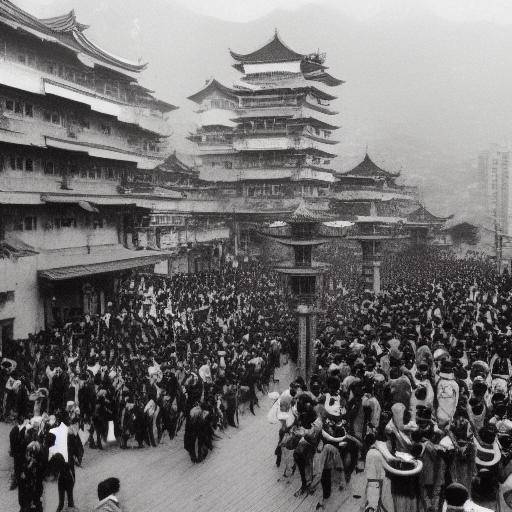
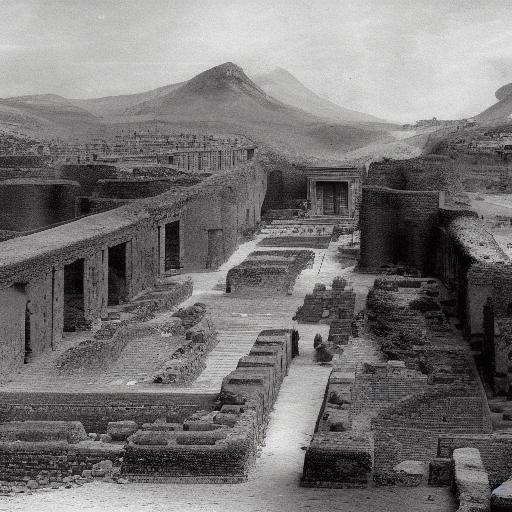
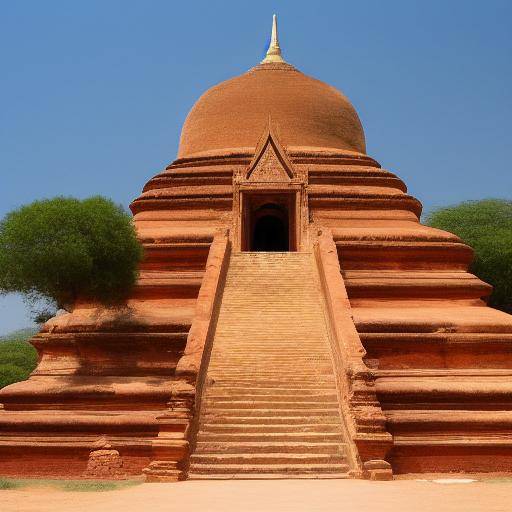
In the heart of Myanmar, there is a magical, enigmatic and history-filled place: Bagan. This ancient city is known for its ancient temples and its rich cultural heritage, dating back over a thousand years. Throughout this article, we will explore the fascinating history of Bagan, its architectural treasures, and the legends that still echo among its ruins. From its beginnings as the center of a powerful kingdom to its role in Buddhism, we will immerse ourselves in the ancestral past of Bagan, discovering the secrets that make it a unique destiny in the world.
History and Background
Origins and Historical Significance
Bagan, formerly known as "Pagan", emerged as the capital of the Kingdom of Pagan in the early 9th century. For over 200 years, Bagan flourished as an important political, cultural and religious centre in Southeast Asia. Their rulers, the kings of the Bagan dynasty, sponsored the construction of thousands of temples, stupas and monasteries that became emblems of their splendor.
The apogee of the kingdom came with the reign of Anawrahta, known for having unified the country and having introduced Theravada Buddhism, which became the predominant religion in the region. This golden era left a unique architectural legacy that still lasts today.
Important Developments and Reflection Points
Over the centuries, Bagan has witnessed significant events that have shaped his destiny. From the Mongol invasions to devastating earthquakes, the region has gone through numerous tests that have left an indelible mark on its history. However, every challenge has been faced with resilience and determination, making Bagan a lasting symbol of human grandeur.
Details and Case Studies
Among the stories intertwined with the greatness of Bagan, stands out the legend of the construction of the temple Thatbyinnyu, which stands as one of the most imposing monuments in the region. It is said that he was erected in one day by his king, who longed to obtain heavenly merit. This and other legends evoke the mysticism surrounding Bagan, making it a destination that not only captivates historians, but also dreamers.
Deep analysis
Current Benefits, Challenges and Trends
Although Bagan is recognized for its beauty and cultural heritage, the sustainable management of its architectural treasures and the preservation of heritage face contemporary challenges. The balance between tourism, conservation and sustainable development is a crucial issue that affects the future of Bagan. Careful management and respectful appreciation of this cultural legacy are fundamental for their long-term preservation.
Statistics, Case Studies and Real Examples
Recent data show steady growth in tourism in Bagan, which has provided economic opportunities but has also raised concerns about environmental and cultural sustainability. Cases of unsafe visitation and unregulated development have led to more responsible and conscious management of tourism in the region.
Analysis of Different Perspectives and Reviews
Various voices have been raised to discuss the future of Bagan, raising questions about how to balance the flow of visitors with the protection of heritage. Opinions vary from the implementation of visitor limits to the promotion of more educational and respectful tourism with local culture.
Comprehensive review
Applications, Case Studies and Best Practices
The approach to conservation and sustainability in historical tourist destinations has gained strength around the world, generating new perspectives on the role of Bagan as an exemplary model of harmonious coexistence between cultural heritage and tourism.
Opinions of Industry Experts
Recognized experts in the conservation of historical heritage have expressed the importance of safeguarding the legacy of Bagan, stressing the need for concrete measures to protect its cultural and architectural integrity. Its knowledge and recommendations provide a key vision for the preservation and future development of the region.
Conclusions and FAQs
Conclusions
Bagan, with its millennial legacy and its unparalleled charm, transcends the barriers of time to captivate present and future generations. His story, intertwined with legends and mysteries, continues to resonate in every corner of his ancestral temples, inviting travelers to contemplate the greatness of his ancestors and to reflect on the impact of humanity on the world we inhabit.
Frequently asked questions
1. What is the story of building the temples of Bagan?
The construction of the temples of Bagan dates back to more than a millennium and is characterized by a combination of architectural, religious and cultural influences. The temples, statues and monasteries reflect the artistic and spiritual evolution of the region over the centuries.
2. What is the importance of Buddhism in Bagan's history?
Buddhism has played a central role in the history of Bagan, influencing both its architecture and its cultural identity. The diffusion and practice of Theravada Buddhism have left an indelible mark in the region, shaping its spiritual and social landscape.
3. What are the contemporary challenges faced by Bagan in terms of conservation and tourism?
Sustainable tourism management, preservation of cultural heritage and mitigation of environmental impacts are key challenges for Bagan today. The balance between tourism development and the protection of historical legacy is a priority concern to ensure its long-term preservation.
4. What is the impact of tourism on the local economy of Bagan?
Tourism has generated significant economic opportunities for the local community in Bagan, creating employment and fostering the development of services related to the tourism industry. However, responsible tourism management is crucial to ensuring equitable and sustainable benefits for the local population.
5. What are the preservation measures implemented to protect Bagan's heritage?
Local authorities and international agencies have taken preservation measures that include restoration of damaged temples, zoning to limit urban expansion near monuments and promotion of responsible tourist practices.
6. How can the visitor contribute to the respectful preservation and appreciation of Bagan?
Visitors play a crucial role in the protection of Bagan by acting with respect for their cultural heritage and following responsible tourism patterns. The commitment to sustainable practices, support for the local economy and the promotion of cultural awareness are concrete ways of contributing to the preservation of Bagan.
In short, Bagan's hidden history reveals a cultural treasure of immense value. From its origins as the centre of a great kingdom to its resilience in the face of modern challenges, Bagan continues to captivate those who seek to immerse themselves in a legendary past. With careful management and respectful appreciation, this corner of the world will continue to illuminate the minds and hearts of future generations.