The Palace of Versailles, an architectural and cultural jewel, has witnessed the greatness, opulence and the historical events that marked the coming of France. In this article, we will explore the construction of Versailles, from the times of Louis XIV to the French Revolution. We will discover the history, the architectural details, the key characters and the legacy of this emblematic place. Join us on a journey through time and unravel the secrets of Versailles together.
Introduction
The Surgment of an Architectural Wonder
The construction of Versailles represents one of the most emblematic achievements of the art and architecture of the time. This majestic palace, located on the outskirts of Paris, was the dream come true of the Monarch Louis XIV, who sought to consolidate his power through greatness and splendour. The magnificence of Versailles, both in its architecture and in its extensive gardens, reflects the apogee of monarchical absolutism and the dismembered ambition of a sovereign determined to leave his footprint in history.
Over the centuries, Versailles has witnessed crucial events that shaped France's destiny. From the fastness of the court celebrations to the revolutionary agitation that shook the foundations of real power, this monument has been the scene of a historic saga that transcends the borders of time. In this journey, we will unravel the entrenchments of its construction, the influence of its inhabitants and the role it played in the future of the French nation.
History and Background
The Empire of the Sun King: Louis XIV and His Dismembered Ambition
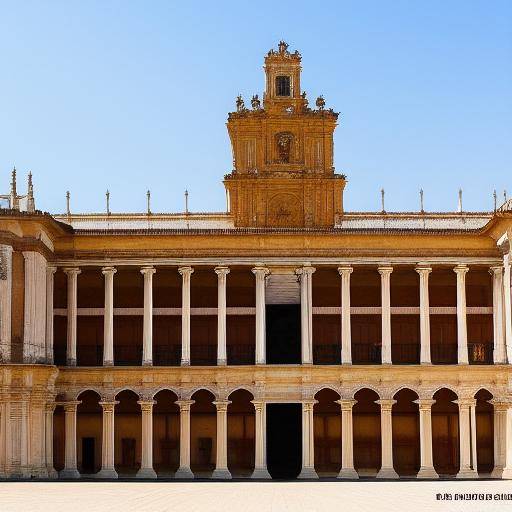
The history of Versailles dates back to the reign of Louis XIV, a monarch committed to consolidating his absolute power and projecting the greatness of France in all its magnificence. In 1661, the king began building a palace that would not only be his royal residence, but also the epicenter of the political and cultural power of the country. Designed by outstanding architects of the time, including Louis Le Vau and Jules Hardouin-Mansart, the palace of Versailles emerged as a monument to ostentation and opulence, a symbol of the deployment of French might.
The French Revolution: The End of an Era
However, the greatness of Versailles was tarnished by the outbreak of the French Revolution, an event that shook the foundations of the old regime and redefined the course of European history. The palace, for a long time symbol of monarchical despotism, became an emblem of the struggle for equality and social justice. The taking of Versailles by the revolutionary masses in 1789 marked the end of an era and the beginning of a new stage in the history of France.
Deep analysis
The Architecture of Versailles: Splendor and Elegance
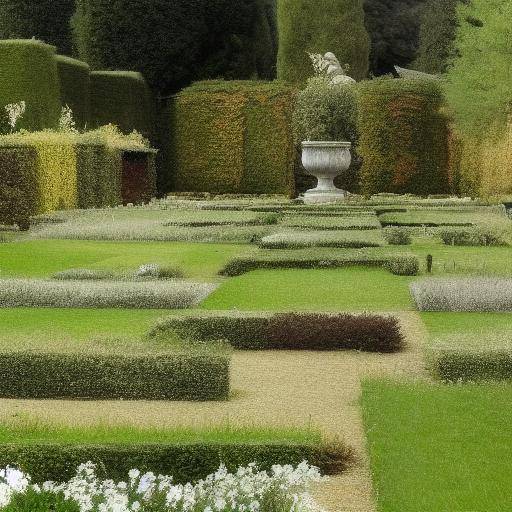
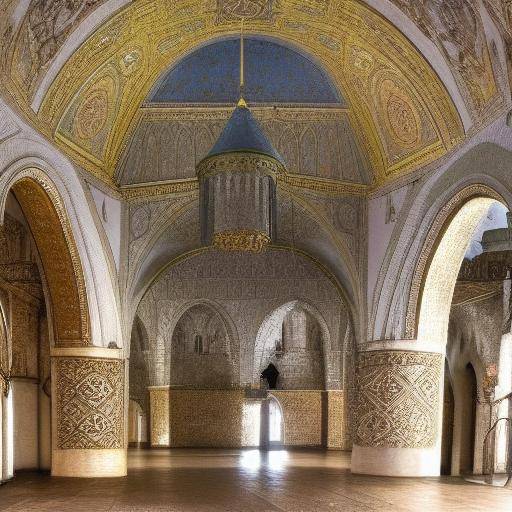
The construction of Versailles not only represented an unprecedented architectural achievement, but also laid the foundations for a distinctive style that would influence European architecture for generations. The imposing halls, the dazzling galleries and the exquisite Versailles gardens reflect the talent and creativity of the craftsmen and architects who gave life to this monumental complex. However, the opulence of the palace has also raised criticism and controversy throughout history, questioning the excesses of the old regime and the social inequality that characterized the society of the time.
The Legacy of Versailles: Unmatched Cultural Heritage
Today, Versailles is much more than a mere vestige of the past; it is a symbol of the cultural and artistic wealth of France that continues to amaze visitors from around the world. In addition to its historical value, the palace and its gardens are testimony to human creativity and constitute an invaluable heritage that transcends national borders. The influence of Versailles becomes evident in the architecture, urbanism and planning of public spaces, being an inescapable reference for architects, urbanists and designers who seek inspiration in the grandeur of the past.
Comprehensive review
The Historical Relevance of Versailles: Reflections and Perspectives
The history of Versailles is a microcosm of the evolution of European society, from the ruins of monarchical absolutism to the longing for freedom and justice that inspired the French Revolution. This monumental architectural set has been the subject of study and reflection by historians, architects and philosophers, who have analysed their impact on culture, politics and society. The relevance of Versailles transcends the purely artistic sphere to become a symbol of the transformations that have marked the history of Europe.
Contemporary Perspectives: Cultural Tourism in Versailles
Today, Versailles attracts visitors from all over the world eager to immerse themselves in the splendour of the past and discover the secrets of this historic monument. The tourism management of Versailles, framed in a context of preservation of cultural heritage, poses challenges and opportunities in terms of accessibility, sustainability and cultural diffusion. The need to reconcile the preservation of heritage with contemporary tourist demand has generated a debate around the responsible management of these cultural spaces in order to guarantee their legacy for future generations.
Comparative analysis
Versailles in Context: A Comparison between Architectural Styles
In analyzing the architecture of Versailles, it is impossible to ignore its influence in other architectural styles both in France and in the rest of Europe. The opulence and grandeur of the palace contrasts with the most sober and functional architectural currents that emerged in the periods after the French Revolution. This comparison invites us to reflect on the different aesthetic and spatial conceptions that have shaped our perception of architecture over the centuries and shows us how Versailles continues to be an inexhaustible source of inspiration and study.
Practical Tips and Recommendations
Discovering Versailles: Tips for an Unforgettable Visit
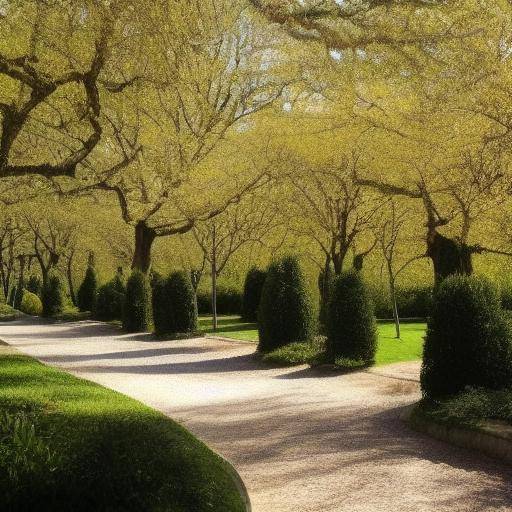
If you are planning to visit Versailles, we recommend you book enough time to explore every corner of this imposing architectural complex. In addition, learn about guided tour options, special exhibitions and events that can enrich your experience. Do not forget to visit the lush gardens and contemplate the beauty of the fountains and sculptures that adorn this wonderful environment. Prepare to marvel at the majesty of Versailles and immerse yourself in a journey that will transport you through the centuries.
Conclusion
After entering the history and construction of Versailles, we have discovered the nuances and vicissitudes that have defined the trajectory of this emblematic monument. From his role as an epicenter of monarchical absolutism to his transformation as a symbol of the struggle for equality, Versailles has witnessed a historic saga that still awakes fascination and debate today.
FAQs
What is the importance of Versailles in the history of France?
The palace of Versailles is a symbol of monarchical power and absolutist grandeur, as well as a testimony of the changes that shaped French society during the pre-revolutionary period.
What are the most outstanding architectural aspects of Versailles?
The mirror rooms, the French-style gardens and the imposing facade of the palace are some of the most emblematic architectural elements of Versailles, which stand out for their luxury and refinement.
How can I get to Versailles from Paris?
Versailles is located within walking distance of Paris and can be easily accessed by train, bus or car. There are public transport options and organized tours that facilitate the visit to this iconic place.
What are the best times to visit Versailles?
Spring and summer are the ideal seasons to visit Versailles, as the gardens are in full splendour and there are shows from sources that complement the experience.
Can guided tours be made in Versailles?
Yes, the palace offers guided tours that allow you to discover its rooms, gardens and historical details through the explanation of experts on the subject.
What is the impact of Versailles on later art and architecture?
Versailles has exerted a lasting influence on art and architecture, serving as inspiration for numerous architectural and design projects in Europe and beyond.
What measures are taken to preserve the cultural heritage of Versailles?
The preservation of Versailles involves a rigorous work of conservation, restoration and cultural diffusion, as well as measures to guarantee the sustainable access of the public to this valuable heritage.
Concluding, the construction of Versailles is much more than an architectural landmark; it is a reflection of the avatars of history and an inexhaustible source of inspiration and reflection. As we explore the puzzles of this majestic palace, we discover a legacy that transcends the artistic realm to be consolidated as a lasting symbol of the greatness and complexity of human history.
External Links:
- Palace of Versailles - Official Website
- Versailles History - Louvre Museum
- Versailles: Architecture and Legacy - Encyclopaedia Britannica
We hope that this journey through the construction of Versailles has been enriching and invites you to discover more about this extraordinary monument that has left an indelible mark on history and art.