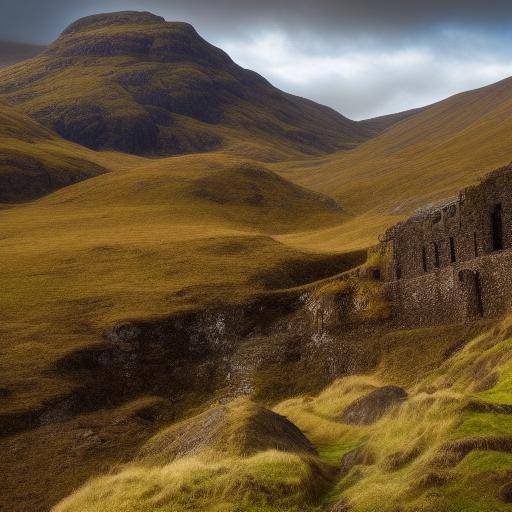
Sri Lanka, known as the "Lagrima of India", is a magnificent country that houses lush tea plantations that extend through its picturesque hills. Tourism in tea plantations has become an increasingly popular experience for tea lovers and travellers who seek to immerse themselves in the culture of this appreciated brebaje. In this guide, we will thoroughly explore the world of tea, tourism and the wonderful tea plantations in Sri Lanka, giving you a complete and detailed perspective on this fascinating theme.
Introduction
In this introductory section, you will immerse yourself in the beauty and fascination of tea plantations in Sri Lanka. You will discover how these regions of natural abundance have captivated travelers from around the world, attracting them with their unique charm and intoxicating aroma. You will explore the rich history of tea and its role in Sri Lankan culture, all while preparing for an exciting adventure through its lush tea fields.
History and background
Sri Lankan tea plantations have a deeply rooted history dating back to the colonial era. Formerly known as Ceylon, the island became an important tea producer at the end of the nineteenth century, thanks to the vision and tenacity of men and women who transformed the extensive jungles into what today are some of the most famous tea plantations in the world.
Exploring the history of tea in Sri Lanka leads us to understand the impact of this industry on the country's economy and the lives of its inhabitants. From the beginning of cultivation to the evolution of modern practices, each step has left an indelible mark on the landscape and culture of the region.
Tea plantations are not only a source of employment and wealth, but also a symbol of national identity, which has influenced the island's handicrafts, literature, music and cuisine. As a visitor, you will have the opportunity to immerse yourself in this rich legacy, which has resisted the passage of time and continues to flourish in every cup of aromatic tea.
In-depth analysis
Benefits of tea
Tea is known for its health benefits and its ability to relax body and mind. The various varieties, from classic black tea to exquisite green tea, offer a wide range of flavors and properties that attract a legion of admirers all over the world.
Challenges in the tea industry
Despite its popularity, the tea industry also faces significant challenges, from sustainability to fluctuations in global demand. Understanding these challenges allows us to appreciate the complexity of tea production and the importance of supporting local producers.
Current trends
Tourism in tea plantations has experienced a boom in recent years, as travelers seek authentic and sustainable experiences. Immersions in the culture of tea and plantation visits offer a unique perspective that goes beyond a simple cup of tea.
Comprehensive review
Applications and best practices
You will discover how tea plantations have integrated sustainable and ethical practices to preserve the environment and maintain the exceptional quality of Sri Lankan tea.
Industry perspectives
Experts in the tea industry share their ideas about emerging trends and the impact of tourism on plantations. Its views offer a valuable insight into what the future can stop this exciting industry.
Comparative analysis
By comparing the experiences of tourism in tea plantations in Sri Lanka with other destinations, you can appreciate the uniqueness and charm that make this experience a unique jewel in the world of gastronomic tourism.
Practical advice and useful recommendationsYou will receive practical advice that will help you plan and enjoy your visit to tea plantations to the fullest. From how to differentiate tea varieties to the appropriate label to taste this appreciated drink, you will be prepared to immerse yourself completely in this captivating experience.
Industry perspectives and expert opinions
The opinions of experts in the tea industry will give you a privileged look at the challenges and achievements that define the current stage of tourism in tea plantations. Discover how this sector has adapted to the demands of the modern traveler and has found innovative ways to preserve their heritage.
Case studies and applications in real life
Through case studies, you will be immersed in the actual experiences of visitors who have explored tea plantations in Sri Lanka. Your stories will give you a detailed view of what you can expect and will inspire you to undertake your own tea adventure.
Future trends and predictions
Finally, we will explore the emerging trends that are shaping the future of tourism in tea plantations, allowing you to discover the opportunities and challenges that could transform this industry in the coming years.
Conclusion
In short, exploring tea plantations in Sri Lanka becomes an enriching experience, combining passion for tea with the natural beauty and rich culture of the island. From its fascinating history to the exciting current trends, this journey awaits you with countless discoveries and an incomparable gastronomic experience.
Frequently asked questions
What are the ideal seasons to visit tea plantations in Sri Lanka?
The best times to enjoy tea plantations are usually during the dry months, between January and April, and after August to November. These seasons offer the perfect conditions for walking between lush tea fields and observing the harvest process.
What kind of activities can be done during a visit to tea plantations?
In addition to learning about the tea making process, you can enjoy scenic walks, tea tastings, and discover the rich flora and fauna surrounding the plantations. Some plantations also offer the opportunity to participate in tea gathering and experience the authenticity of life in a plantation.
Can you buy tea directly from the plantations?
Yes, many tea plantations offer shops where you can buy fresh and authentic tea directly from the source. This gives you the opportunity to take home some of the most exquisite and appreciated teas in the world.
Is it necessary to make a prior reservation to visit tea plantations?
Most tea plantations anticipate the arrival of visitors and offer organized tours for groups and individuals. It is recommended to make a previous reservation, especially if you plan to visit popular plantations.
How do you reach tea plantations in Sri Lanka?
The main tea producing regions, such as Nuwara Eliya, Ella and Kandy, are accessible from the main cities of Sri Lanka through buses, trains or cars. The transport options are usually safe and offer panoramic views of the landscape that will leave you wonderful.
How long should I plan for a visit to tea plantations?
The ideal time to fully enjoy the experience in tea plantations is usually two to three days. This allows you to explore various plantations, participate in activities, and enjoy the serenity and natural charm that this unique destination offers.
With this complete guide, you will be ready to take an unforgettable journey to tea plantations in Sri Lanka, exploring the passion, beauty and legacy behind one of the most venerated drinks in the world. Get ready to immerse yourself in the intoxicating aroma and stunning views that await you in this magical tea race!