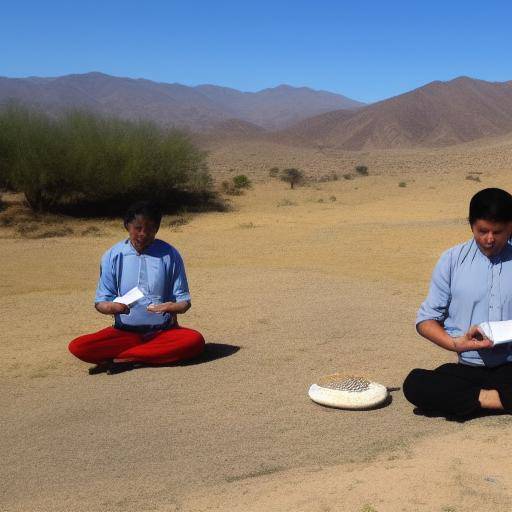
Tea has been an integral part of Asian culture for centuries, and tea ceremonies are a living testimony of its importance. From Japan to China, these ceremonies not only offer a delicious cup of tea, but also represent ancient traditions and deep rituals. In this article, we will explore the different tea ceremonies in Asia, from their history and meaning to their impact on modern society. We will discover how tea has evolved over the years, the complexities of tea ceremonies in different Asian countries, and their growing relevance in the contemporary world.
Introduction
Tea ceremonies in Asia transcend the simple act of drinking a cup of tea; they represent the connection with nature, harmony and spirituality. Through this article, we will have the opportunity to immerse ourselves in the rich history of these ceremonies, explore their ritual complexes and understand their meaning in the cultural and social context. We will also discuss how tea ceremonies have evolved to adapt to modern times, keeping their relevance and meaning in the contemporary world.
History and Background
The origin of tea ceremonies dates back to ancient China, where tea was considered a symbol of status and wealth. Over time, this practice spread to Japan, where different styles of tea ceremonies such as Chanoyu were developed. These ceremonies were closely linked to Zen Buddhism, which added a spiritual dimension to the experience of drinking tea. As these traditions expanded to other regions of Asia, each culture adapted tea ceremonies to their own beliefs and rituals, creating a wide variety of unique experiences.
Deep analysis
Tea ceremonies not only have historical and cultural significance, but also offer various benefits for health and well-being. Tea has long been associated with healing properties, and its consumption is linked to a number of health benefits, such as stress reduction and increased concentration. In addition, the tea ceremony itself promotes calm and contemplation, providing an oasis of tranquility in the midst of everyday life.
Exhaustive examination
The practice of tea ceremonies has evolved over time, and today it is considered a form of art in many respects. Different styles of tea ceremonies, such as cha-no-yu in Japan or gongfu cha in China, offer a unique vision of tea preparation and consumption. These ceremonies require meticulous attention to every detail, from the selection of the utensils to the way the liquid is poured into the cup. Through this meticulousity, it seeks to achieve a state of harmony and transcendence, making the experience of drinking tea a deeply significant act.
Comparative analysis
While tea ceremonies share similarities throughout Asia, each region has its own different traditions and practices. In Japan, the emphasis is on aesthetics and simplicity, while in China, precision and skill are valued in tea making. These differences reveal the diversity and complexity of tea ceremonies in Asia, as well as the varied cultural and spiritual influences that have shaped these practices over the centuries.
Practical Tips and Accessible Tips
If you are interested in participating in a tea ceremony, here are some practical tips to enjoy the most of the experience:
- Investigate the different traditions of tea ceremonies in Asia and choose the one that is most attractive to you.
- Go to a specialist or expert in tea ceremonies to get a detailed guide on the label and rituals involved.
- Prepare your mind for contemplation and calm, as tea ceremonies focus on the connection with oneself and nature.
Conclusion and Frequently Asked Questions
In short, tea ceremonies in Asia are much more than just indulgence; they represent a tradition rooted in history, spirituality and aesthetics. As we explore these ceremonies through their various forms and meanings, we enter into a world of tranquility and beauty that transcends the simple act of drinking a cup of tea.
Frequently asked questions
1. What is the difference between tea ceremonies in Japan and China?
The main differences lie in the underlying aesthetics and philosophy. While Japan emphasizes simplicity and harmony, China values skill and precision in tea making.
2. How can I participate in a tea ceremony in Asia?
Find cultural centers, museums or experts in your area that offer experiences of tea ceremonies. Many times, these professionals are willing to share their knowledge and offer interactive workshops.
3. What are the benefits of participating in a tea ceremony?
In addition to enjoying a delicious cup of tea, tea ceremonies promote calm, concentration and connection with nature, contributing to a sense of general well-being.
4. What is the cultural impact of tea ceremonies on modern society?
Although modern society has undergone significant changes, tea ceremonies continue to play an important role, offering a way to disconnect from the everyday hustle and connect with oneself and others.
5. What is the role of the expert in a tea ceremony?
The expert, also known as host, is responsible for guiding the participants through the ceremony, offering knowledge about history, tea preparation and the importance of each step.
6. What is the importance of aesthetics in tea ceremonies?
The aesthetic plays a crucial role in tea ceremonies, since each element, from the utensils to the disposition of the elements, contributes to the global experience, fostering full attention and aesthetic appreciation.
Conclusion: Tea ceremonies in Asia are a manifestation of intertwined art, culture and spirituality. Through its rich history, its importance in today's society and its profound spiritual significance, tea ceremonies continue to captivate people from around the world. To immerse yourself in these ceremonies will take you to a journey of contemplation, harmony and connection with the beauty of life.