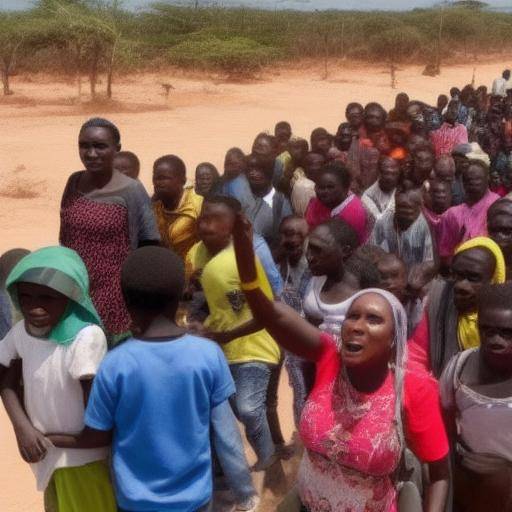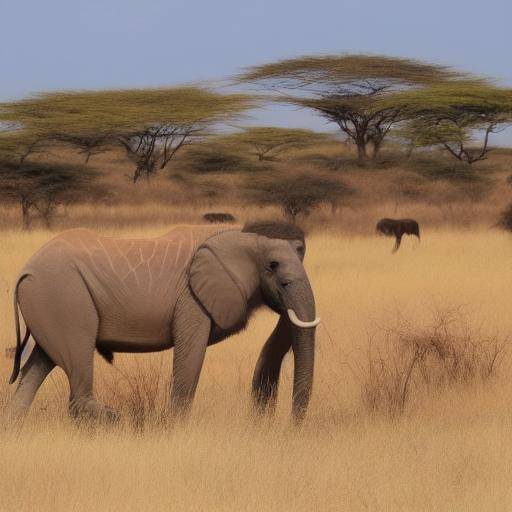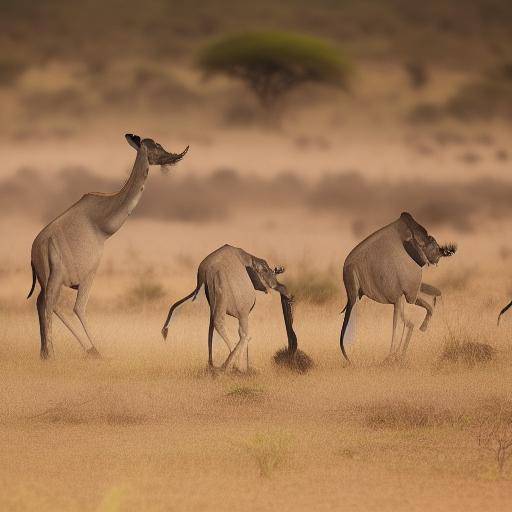

Having the opportunity to capture animal migration in Tanzania is a dream for many wildlife photographers. This phenomenon is unique in its species and provides an unparalleled opportunity to immortalize the majesty of nature in motion. However, photographing migration in Tanzania is not a simple task; it requires planning, patience and expertise. In this article, we will explore tips, strategies and techniques for wildlife photographers to capture the essence of migration in Tanzania. From pre-preparing to composition and editing, we will discover all aspects that make this photographic experience unique. If you want to challenge your skills as a photographer and get shocking pictures of migration in Tanzania, keep reading!
Introduction
Tips for Photographing Migration in Tanzania
Photographing animal migration in Tanzania is an exciting and rewarding challenge. The opportunity to witness thousands of moving animals is unique in the world, and to capture this spectacle of nature in images can be a transformative experience for any fauna photographer. In this article, we will explore key tips to maximize your opportunities to capture the essence of migration in Tanzania with skill and creativity. From choosing the right team to understanding animal behavior and the composition of the perfect take, you will discover fundamental strategies to become a master of migration photography in Tanzania.
History and Background
Animal migration has a long history in Tanzania. Since time immemorial, the vast plains of Africa have witnessed the impressive journey of countless animals in search of fresh pastures and water. This migration movement has been a vital part of the African ecosystem, in turn influencing the lives of human beings who share this environment. Over the years, the understanding of migration has evolved, bringing with it significant advances in the photography of nature. Reputable photographers have helped document and share the magnificence of this phenomenon through shocking images that have captured the imagination of people around the world.
Deep analysis
Migration photography in Tanzania presents unique and exciting challenges for visual artists. From the management of light in the vast African plains to the capture of the essence of the movement of the herds, photographers face a variety of technical and creative considerations. Understanding animal behavior in depth, the appropriate photographic equipment and composition techniques are key aspects to achieving outstanding results. Exploring the interaction between wildlife, the environment and the photographer itself is essential to achieving an impactful and meaningful visual narrative.
Comprehensive review
To effectively capture migration in Tanzania, photographers must adopt a holistic approach that encompasses the preparation, technique and creative vision. From team management in hostile environments to understanding the dynamics of wildlife, this approach seeks to merge technical skill with a deep understanding of nature. Knowing the migratory routes, choosing the optimal moments and anticipating animal behavior are central elements to get outstanding images that tell unique and touching stories.
Comparative analysis
Compare the photography of migration in Tanzania with other photographic approaches reveals both similarities and contrasts. The richness of animal diversity, the unique environment of African plains and the dynamic of movement offer exceptional opportunities in this form of visual art. By comparing this experience with other global migration sites, landscapes or wildlife scenarios, it is possible to appreciate the nuances and singularities that make photography of migration in Tanzania a truly exceptional company.
Practical Tips and Accessible Advice
For photographers seeking to enter the world of migration photography in Tanzania, it is essential to have practical advice and actionable guidance. From choosing the right photographic equipment to understanding the composition and approach techniques, each detail can make the difference in the quality of the captured images. Tips on light control, the anticipation of the animal movement and the selection of suitable shots are of vital importance. Photographers can also benefit from recommendations on how to establish an emotional connection with wildlife to achieve images that impact and inspire a wider audience.
Perceptions of Industry and Expert Reviews
Perceptions and opinions of experts in migration photography in Tanzania can provide valuable insights for photographers of all levels of experience. From technical advice to reflections on the ethics and environmental impact of wildlife photography, listening to experts can deeply enrich the understanding and practice of this form of art. Understanding current trends in migration photography in Tanzania and projecting possible future developments can open up new opportunities and challenges for those seeking to stay at the forefront of this discipline.
Case Studies and Real Life Applications
Exploring real cases of practical applications in migration photography in Tanzania can provide a detailed view of how the concepts and techniques discussed are materialized in practice. Studying results, lessons learned and examples of different contexts and approaches can provide a diverse set of ideas and solutions for the challenges that photographers can face. From the visual narrative of exciting stories to the impact of images on conservation and awareness, case studies offer a window to the numerous dimensions of migration photography in Tanzania.
Future Trends and Predictions
Exploring emerging trends and predicting the future of migration photography in Tanzania is essential for those who wish to consolidate their position as visionary and forward-looking photographers. From the technological advances that will shape the available photographic equipment to changes in migratory patterns or the dynamics of wildlife, future predictions can provide a compass for innovation and adaptation in this field. Anticipating the challenges and opportunities that may arise on the far horizon ensures that photographers are equipped to embrace change and constantly redefine the limits of their art.
Conclusions
Capturing the essence of migration in Tanzania through the photographic lens is an exciting and rewarding challenge. The combination of technical knowledge, understanding of nature and artistic vision can lead to the creation of images that not only inform, but also inspire and excite a global audience. By equating with practical knowledge, expert perspectives and a vision for the future, photographers can embark on an unforgettable journey to capture migration in Tanzania in an impactful and meaningful way.
FAQs
1. What are the best times of the year to photograph migration in Tanzania?
Photographing migration in Tanzania is more successful during the dry season, which usually goes from June to September. During this period, migratory animals gather in greater numbers around rivers and water masses, increasing opportunities to capture shocking images.
2. What photographic equipment is essential for photography of migration in Tanzania?
A long range zoom lens, like a 100-400mm, is essential to capture details of the moving fauna along the extensive plains. In addition, having a high-speed camera of frames per second will be beneficial to capture the dynamism of migration.
3. What security measures should be considered when photographing migration in Tanzania?
It is crucial to respect the regulations and restrictions established in the areas of conservation and national parks. Keeping a safe distance from the fauna and following ethical behavior patterns minimizes the alteration of animal behavior and ensures the safety of both the wildlife and the photographer.
4. How can you capture unique images during migration in Tanzania?
The key to capturing unique images during migration in Tanzania is to look for unusual angles, creative compositions and emotional moments. Observing animal behavior, anticipating their movements and experimenting with original perspectives can result in surprising and distinctive images.
5. What is the importance of conservation in migration photography in Tanzania?
Migration photography in Tanzania is not only an artistic expression, but also a means of raising awareness of the importance of wildlife conservation and natural habitats. Photographers can play a crucial role in documenting and sharing the beauty and vulnerability of these environments, thus motivating action for their protection.
6. How can I prepare to photograph migration in Tanzania if I am a beginner photographer?
If you are a beginner photographer interested in capturing migration in Tanzania, it is essential to acquire a basic knowledge about nature and wildlife photography. Prepare in advance, practice wildlife observation in your local environment and familiarize yourself with photographic techniques will provide you with a solid basis to address this exciting company.
To capture migration in Tanzania with skill and sensitivity, it is crucial to prepare with expertise and understanding of animal behavior, combined with a unique artistic vision. Following these tips and strategies will help you maximize your opportunities to create impactful and meaningful images that celebrate the majesty of migration in Tanzania.
With this article, we hope to have provided a complete and insightful guide for photographers seeking to explore migration in Tanzania through the photo lens. Regardless of your level of experience, we hope that this resource will inspire you to seek the extraordinary beauty and emotion that characterizes this unique natural phenomenon. Good luck in your photo adventure in the plains of Tanzania!