Photograph: Capturing the Essence of the Silk Road
Photography is a powerful tool to transmit the magic and history of the Silk Road. From the vast desert landscapes to the bustling colorful markets, each image can tell a unique history of cultural exchange and natural beauty.
Essential Photographic Techniques
To capture the essence of the Silk Road in Uzbekistan, it is crucial to master several photographic techniques:
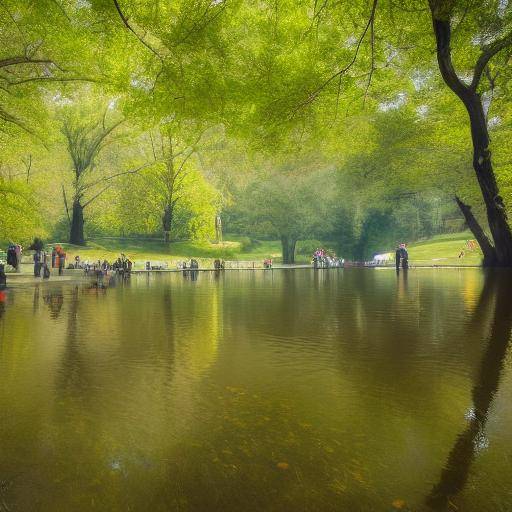
- Lights and Shadows: Take advantage of the light of sunrise and sunset to create evocative atmospheres and enhance architectural details.
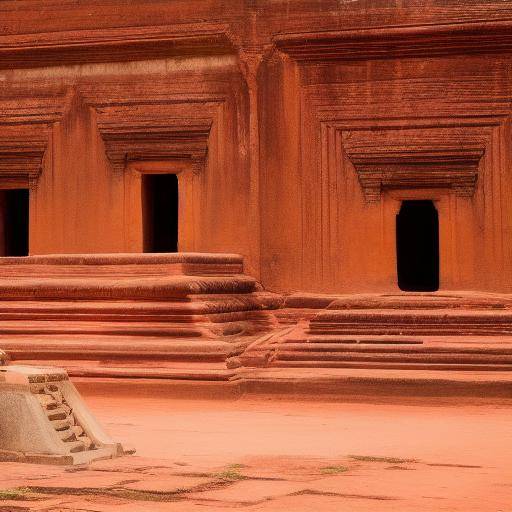
- Perspective and Composition: Use low or elevated angles to highlight the grandeur of historical monuments such as the mosques of Samarkanda or the madrasas of Bukhara.
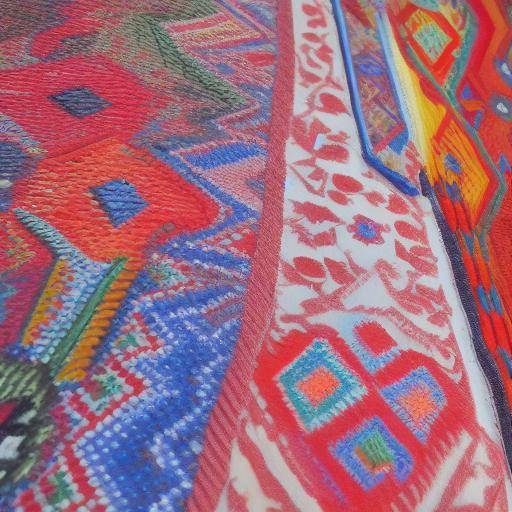
- Local colors: Adjust the camera configuration to capture the vibrant color palette of local markets and fabrics, reflecting the rich textile culture of the region.
- Details and Texture: Approach the intricate architectural details or textile patterns to show the craftsmanship and artistic skill of the Uzbek artisans.
Recommended equipment
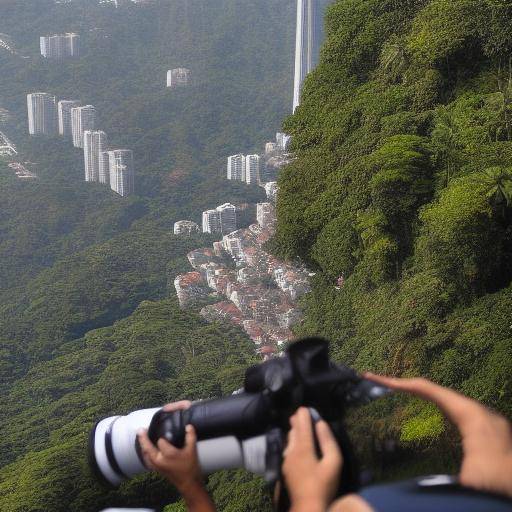
- Cameras and lenses: Opt for wide-angle lenses to capture panoramas of desert landscapes and telephoto lenses for precise architectural details.
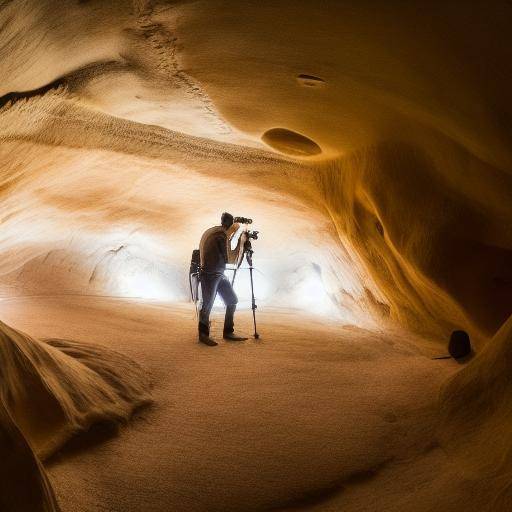
- Tripode: Basic to maintain stability in low-light conditions and by capturing long indoor exposures.
- Accessories: Use polarizing filters to reduce reflexes and increase contrast in clear skies and colorful tissues.
Uzbekistan: Portal to History and Culture
Uzbekistan is not only a destination on the Silk Road, but also a window to the glorious past of trade and culture in Central Asia.
Key destinations for Photography
- Samarkanda: Known by your Registan, a complex of madrasas and mosques with stunning ceramic tiles that change color with daylight.
- Buja: Home of Old Town, a labyrinth of alleys that leads to old mosques and lively markets where merchants offer spices and carpets.
- Jiva: A museum city itself, with clay walls and cobbled streets leading to palaces and minaretes of past times.
Photographing Local Life
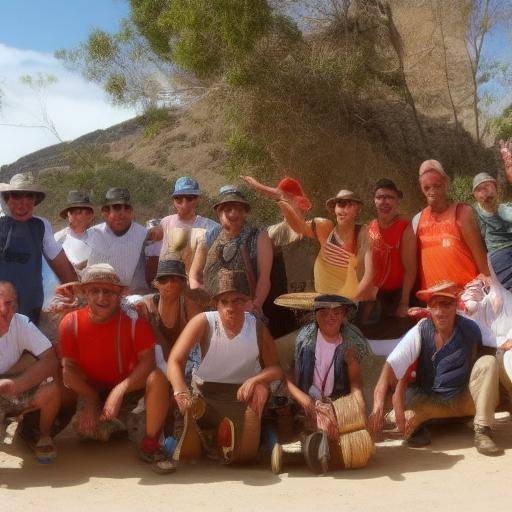
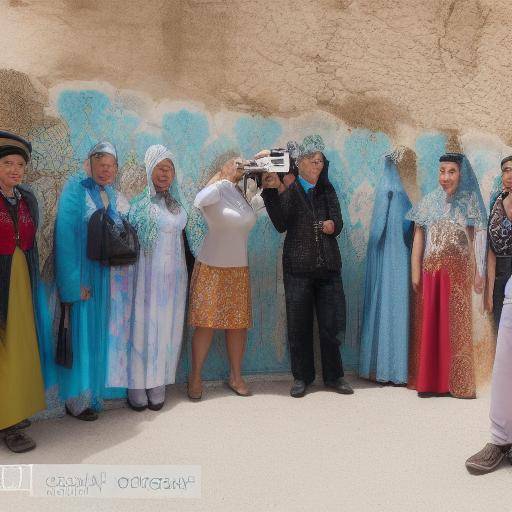
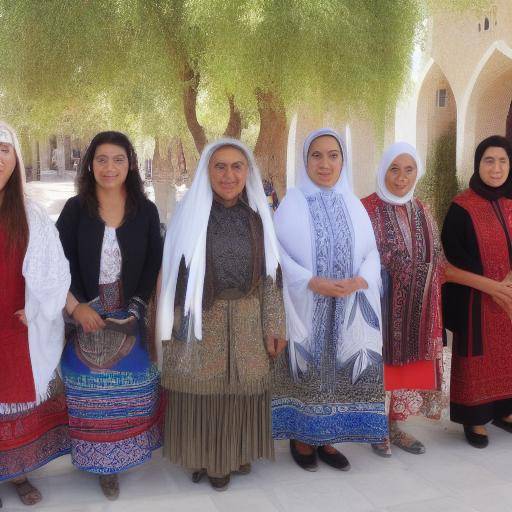
- Portraits: Capture the hospitality and spirit of Uzbeks in portraits that reflect the warmth of their culture and the beauty of their traditional garments.
- Crafts: Document local handicrafts, from ceramic to jewelry, to show the artistic skill transmitted from generation to generation.
Practical Tips for Photographing the Silk Road in Uzbekistan
Planning and Logistics
- Travel time: Prefer spring and autumn to avoid extreme temperatures and take advantage of the soft light of these seasons.
- Photographic permits: Investigate and obtain the necessary permissions to photograph monuments and protected historical sites.
Interaction with the locals
- Cultural respect: Be aware of local norms and customs when photographing people and places of religious importance.
- Language and Communication: Learning some basic phrases in Uzbek or Russian can facilitate interaction with locals and make photographic sessions more fluid and respectful.
Interviews with Photographers Experts: Lessons from the Silk Road
We will explore the experiences of photographers who have captured the Silk Road and Uzbekistan, offering a deep insight into the technical challenges, creative rewards and lessons learned in the field.
Unforgettable Experiences
- Travel Stories: Stories about inspirational encounters with local inhabitants and photographic discoveries that broaden the understanding of the region.
- Innovative techniques: Advice on the use of natural light, frame and patience to create images that convey the cultural essence and historical beauty of Uzbekistan.
Cultural Exploration: Discovering the Essence of Uzbekistan
Traditions and Customs
- Local celebrations: Participate in festivities such as Nowruz (New Persian Year) to capture traditional dances and ceremonial garments.
- Live Crafts: Visit workshops where carpets, ceramics and tapestries are made to document the creative process and manual dexterity.
Cultural Impact
- Historical Legacy: Reflect on how the Silk Road has shaped the cultural identity of Uzbekistan and continues to influence contemporary arts and crafts.
Conclusions and FAQs (FAQs)
Final Reflection
We will summarize the importance of the Silk Road as a bridge between cultures, and photography as a means to preserve and share this unique story with the modern world.
Frequently asked questions
- **What is the best time to visit Uzbekistan for photography?**We recommend spring and autumn to avoid extreme heat and take advantage of soft light.
- **What photographic equipment is essential to capture the Silk Road?**Large-angle lenses and remote lenses are essential, along with a tripod for low light conditions and long exposures.
- **How can local culture be respected when photographing in Uzbekistan?**It is crucial to learn about local norms and customs, to ask permission before photographing people and sacred places, and to act with cultural sensitivity at all times.