
Introduction
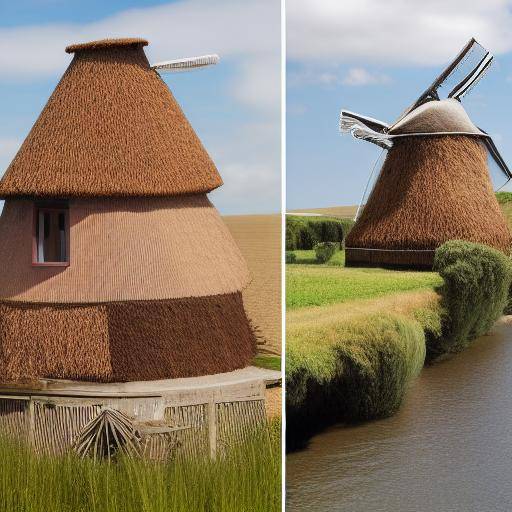
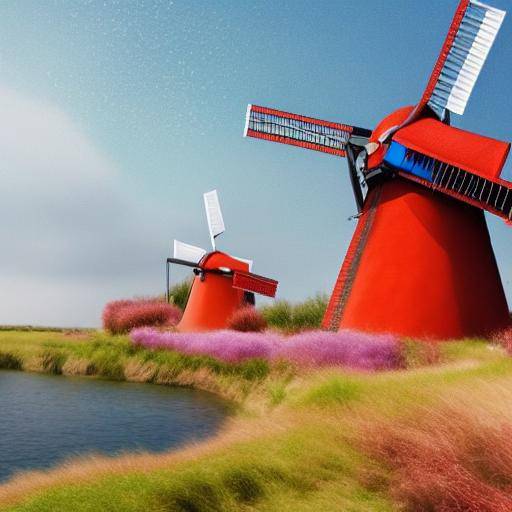
The windmills are iconic icons of Holland, scattered across its fields and landscapes, and represent a fascinating attraction for photographers from all over the world. In this photographic guide, we will explore the rich history and timeless beauty of windmills in Holland, and provide valuable advice to capture the essence of these monuments with the lens of a camera. From the history and evolution of windmills to the fusion of Dutch photography and culture, this guide combines the historical with the visual and practical. Ready to embark on a photographic journey that captures the essence of the Dutch windmills?
History and Background
The Dutch windmills have a long and illustrious history dating back to the 16th and 17th centuries. During this time, these mills were used largely to pump water, as well as to grind grains and spices. In particular, the Zaanse Schans region hosts an impressive collection of well-preserved windmills that transport visitors to a past time. Holland, known for its extensive tulip fields and charming channels, has become a dream destination for lovers of photography, and windmills are an inescapable attraction.
Main subjects
- XVI century: Introduction of windmills for water extraction and grain grinding.
- XVII century: Augmentation of windmills in the Netherlands.
- XIX century: Decreasing the economic relevance of mills, due to industrialization.
Anecdotes and Case Studies
A fascinating example is the De Riekermolen Mill, located in Amsterdam, which maintains its original water pumping function, offering a unique opportunity to document the dynamic interaction between the mill and its environment. This connection with the original function of the mills provides a very impressive visual narrative.
Analysis in Deep
Windmill photography in the Netherlands offers numerous opportunities and challenges for photography enthusiasts. Variable lighting, changing landscapes and the need to capture the magnificence of these mills in their cultural context add a layer of exciting and enriching complexity for photographers.
Benefits and Challenges
The diversity of landscapes that host windmills, from the coast to the green fields, offers endless opportunities to capture unique and evocative images. However, variable natural light and climate changes can present challenges to achieving desired shots. Photographers should be prepared to adapt to these conditions in constant change.
Current trends
The growing interest in landscape photography has led to an increase in the popularity of windmill photography in the Netherlands. Photographers look for new perspectives and creative approaches to capture the essence of these Dutch icons, which has generated a constant flow of shocking images on social media platforms and specialized publications.
Comprehensive review
Exploring the approach of photographers in capturing the essence of windmills can provide a valuable insight into the techniques and strategies that can be used to highlight the beauty and distinctive character of these monuments.
Applications and Best Practices
The photography of windmills in the Netherlands is not only popular among photography fans, but also has a significant commercial appeal. The captivating images of windmills framed by stunning landscapes are often used in promotional and advertising materials to promote tourism in the Netherlands, which highlights the importance of capturing not only the aesthetics of the mills, but also their connection with Dutch culture and heritage.
Comparative analysis
The unique combination of windmills, photography and the Dutch culture offers intriguing opportunities to compare and contrast how these elements intertwine and complement each other. The ability of photography to capture the timeless beauty of windmills and highlight their historical importance can significantly enrich the understanding and appreciation of these monuments.
Practical Tips and Accessible Tips
- Preparation Before the Photography Session: Investigate about the specific windmills that interest you in photographing, including its history, architectural details and special events that can highlight its beauty.
- Consideration of the Conditions of Light: Take advantage of the first hours of the morning or the last hours of the afternoon, when the light is softer and warmer, to capture stunning images of windmills.
- Focus on the Composition: Experience with different angles and perspectives to capture the grandeur and unique character of each mill. Also, look for elements that complement the scene, such as tulip fields or picturesque channels.
- Capture Human Interaction: Include people in their images to add a human dimension and tell visual stories that involve cultural and social aspects.
Perceptions of Industry and Expert Reviews
To gain a deeper insight into the intersection between windmill photography and Dutch culture, the views and perceptions of expert photographers, art historians and passionate locals can provide an enriching and contextual perspective on how to effectively interpret this unique combination of visual and cultural elements.
Case Studies and Practical Applications
By examining concrete examples of windmill photography in the Netherlands, we can discover how the principles and approaches discussed above are translated into shocking and significant images that convey the charm and majesty of these historical monuments.
- Case Study 1: The Dutch Coast and its Wind Mills: An approach in the interaction between the sea and the earth, combined with the power of windmills, shows the immensity and harmony of nature and human engineering.
- Case Study 2: Wind Mills in Tulip Fields:
The combination of vibrant colors of tulip fields and windmills creates a visually shocking scene that merges natural beauty with human intervention harmoniously.
Future Trends and Predictions
The continuous technological advance and the evolution of digital photography are shaping the future of windmill photography in the Netherlands. As new tools and techniques emerge, photographers have the ability to capture the essence and magnificence of these Dutch icons in innovative and exciting ways.
Future predictions
- Integration of Emerging Technologies: Augmented reality and virtual reality can offer new forms of interactive and immersive experience of windmills, driving photographic creativity to new horizons.
- Focus on Sustainability: The photography of windmills in the Netherlands will be increasingly oriented towards the visual representation of sustainable practices and the preservation of cultural heritage, communicating a more powerful message globally.
Conclusion
In conclusion, the combination of the captivating history of windmills in Holland, the art of photography and the rich Dutch culture offers an incomparable visual symphony that deserves to be explored and captured with passion and skill. In understanding the evolution and importance of windmills, as well as the effective strategies to photograph them, photography enthusiasts can embark on a creative adventure to capture the timeless essence of these historical monuments with mastery.
FAQs
What is the importance of windmills in Holland?
Windmills played a crucial role in Holland's history, contributing to water management and food production. In addition, they have come to represent a symbol of Dutch identity and attract visitors from around the world.
How can I prepare to photograph windmills in the Netherlands?
Investigate about the specific mills you want to photograph, know their history and particular features, and be aware of the conditions of light and climate are essential steps to capture shocking images.
What are some key tips for photographing windmills in the Netherlands?
Find different perspectives, take advantage of natural light in the first or last hours of the day, and consider the composition of the image are key tips to capture the essence of windmills successfully.
How can photography highlight the connection between windmills and Dutch culture?
Photography can capture the interaction between windmills and their environment, including cultural and landscape elements, to convey the importance of these monuments in the context of Dutch culture.
What are the emerging trends in windmill photography in the Netherlands?
The use of emerging technologies, such as increased reality, and the focus on sustainability and heritage preservation are trends that are shaping the future of windmill photography in the Netherlands.
Where can I find inspiration to photograph windmills in the Netherlands?
Visit emblematic sites such as Zaanse Schans, consult specialized photography galleries, and explore the work of renowned photographers can provide inspiration and new perspectives to address the photography of windmills.
With this photographic guide, photography enthusiasts will be prepared to explore and capture the essence of windmills in Holland, enriching their understanding of history, culture and photographic techniques. Entering this visual journey promises to offer revealing and memorable experiences, while honoring the lasting beauty of these historical monuments.