At the southern end of South America, there is a place of stunning natural beauty and rich biological diversity: Tierra del Fuego. This region, shared by Argentina and Chile, has a unique variety of flora and fauna that has fascinated scientists, conservationists and nature lovers for centuries. In this article, we will explore the biodiversity of Tierra del Fuego, focusing on its extraordinary flora and fauna. From history and context to current challenges and future prospects, we will emerge in this exciting issue.
Introduction
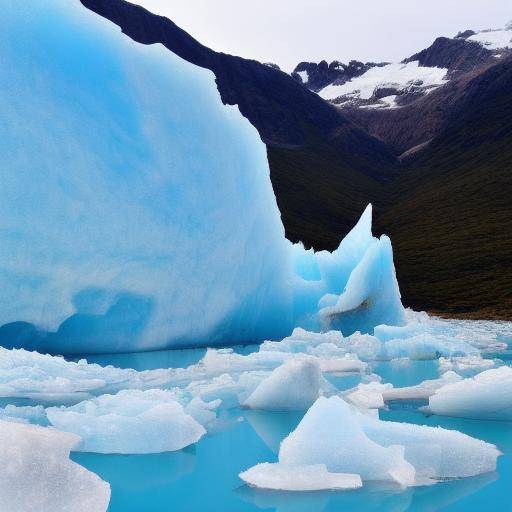
Tierra del Fuego, located in the southern end of South America, is known for its spectacular landscape, imposing glaciers and vast expanses of primitive forests. In addition, this region hosts a unique biodiversity that makes it a reference destination for biologists, naturalists and nature lovers. In this introduction, we will enter the natural world of Tierra del Fuego, exploring its history, its geographical location, and some of the highlights of its flora and fauna.
History and Background
The history of Tierra del Fuego dates back to millennia, when the indigenous peoples already inhabited this unique land. The selk'nam, yámanas and kawésqar are some of the cultures that have left their mark in this region, with deep connections to the land and a unique understanding of its biodiversity. Later, in the 16th century, European explorers came to these shores, marking the beginning of a new era for Tierra del Fuego.
The European colonization, with its impact on the environment and on indigenous peoples, has left an imprint in the history of Tierra del Fuego. Economic activities such as livestock, logging and mining have had a significant impact on the region ' s ecosystem, posing challenges to biodiversity conservation.
Analysis in Deep
The rich biodiversity of Tierra del Fuego is the result of a combination of unique factors. Its geographical location, with influences from both the Pacific Ocean and the Atlantic, has led to a varied environment that sustains a wide range of plant and animal species. However, climate change, habitat fragmentation and other human pressures represent significant challenges for the conservation of this unique biodiversity.
The struggle to preserve the biodiversity of Tierra del Fuego is a burning theme today. Conservation efforts, scientific research and international cooperation are critical to ensuring the future of species that call home to this impressive region.
Exhaustive examination
The biodiversity of Tierra del Fuego is not only of scientific interest, but also plays a crucial role in the daily lives of local communities. The interaction between human beings and nature is a recurring theme, since the traditions and culture of the region are intrinsically linked to land and its resources.
In addition, the biodiversity of Tierra del Fuego is of incalculable value for the health of the planet as a whole. The conservation of this region is not only a local responsibility, but it has global implications, as the interconnected ecosystems of Tierra del Fuego play a vital role in climate regulation and the preservation of biodiversity worldwide.
Comparative analysis
By comparing the biodiversity of Tierra del Fuego with other regions of the world, a fascinating image of diversity and adaptation emerges. The unique species that have evolved in this remote corner of the world offer a window to the wonderful complexity of nature.
While some species of Tierra del Fuego flora and fauna are found in other regions of the world, many of them have developed specific adaptations that make them unique in this environment. The diversity of birds, mammals, plants and fungi in Tierra del Fuego offers scientists and observers of nature an incomparable opportunity to study the evolution and ecology of a unique ecosystem.
Practical Tips and Accessible Recommendations
For those who wish to explore the biodiversity of Tierra del Fuego firsthand, there are numerous options to participate in ecotourism and nature observation activities. However, it is crucial to do so responsibly, respecting both environmental regulations and local communities, and minimizing our impact on this fragile ecosystem.
When visiting Tierra del Fuego, whether as a scientist, tourist or environmental professional, it is essential to adopt sustainable and ethical practices to preserve the rich biodiversity of the region. Well-managed ecotourism, environmental education and support for local conservation initiatives are critical aspects to ensure a sustainable future for Tierra del Fuego and its natural wonders.
Conclusions
The biodiversity of Tierra del Fuego is a natural treasure of incalculable value. From its pristine forests to its majestic glaciers, this region reminds us of the importance of preserving biodiversity for future generations. Current challenges, including climate change and human pressure, require decisive action and collaboration at all levels, from local communities to the international scene.
This article has explored only a fraction of the immense wealth of the biodiversity of Tierra del Fuego. As we continue to learn, research and preserve this unique region, it is imperative to remember the profound link that unites humanity with nature. Our commitment to conservation and respect for biodiversity is a legacy that transcends borders and generations.
Frequently asked questions (FAQs)
**What is the importance of biodiversity in Tierra del Fuego?**The biodiversity of Tierra del Fuego is fundamental not only for the preservation of unique species, but also for the regulation of climate globally. In addition, this natural wealth plays a crucial role in the sustainability of local communities and in maintaining healthy ecosystems.
**What are the main threats to the biodiversity of Tierra del Fuego?**Climate change, habitat fragmentation, the introduction of exotic species and human activity, such as logging, mining and livestock, pose significant threats to the biodiversity of Tierra del Fuego.
**What efforts are being made to preserve the biodiversity of Tierra del Fuego?**There are numerous conservation initiatives, both locally and internationally, that seek to protect the biodiversity of Tierra del Fuego. These include the creation of protected areas, scientific research, environmental education and the promotion of sustainable practices.
**What impact does tourism have on the biodiversity of Tierra del Fuego?**Tourism can have both positive and negative impacts on the biodiversity of Tierra del Fuego. Well-managed ecotourism can contribute to biodiversity conservation and awareness of its importance, while unsustainable tourism can damage the environment and local species.
**What are some of the emblematic species of the Tierra del Fuego fauna?**Among the emblematic species of the fauna of Tierra del Fuego are the guanaco, the red fox, the castor, the Andean condor, the giant carpenter, the ñandú and the carancho, among many other unique and fascinating species.
**What measures can individuals take to contribute to the conservation of the biodiversity of Tierra del Fuego? Individuals can contribute to the conservation of the biodiversity of Tierra del Fuego by adopting sustainable practices in their daily activities, supporting local conservation initiatives, educating themselves about the importance of biodiversity and promoting an environmentally friendly lifestyle.
The biodiversity of Tierra del Fuego is an exciting and complex theme, with implications that go far beyond its geographical borders. As we continue to explore and protect this unique ecosystem, it is vital to remember that biodiversity conservation is a shared responsibility that requires everyone's commitment.
External Links
- Omora Foundation: An organization dedicated to scientific research and the conservation of biodiversity in Tierra del Fuego.
- Tierra del Fuego National Park: Official information about the national park and its conservation efforts.
- CONICET: The National Council for Scientific and Technical Research (CONICET) provides relevant information on scientific research in Tierra del Fuego.
In conclusion, the biodiversity of Tierra del Fuego is a natural treasure that deserves our attention and protection. Its rich biological diversity, its unique history and its global importance make it an area of incalculable value for humanity. As we advance towards the future, it is essential that we commit ourselves to preserving and appreciating the biodiversity of Tierra del Fuego for future generations.