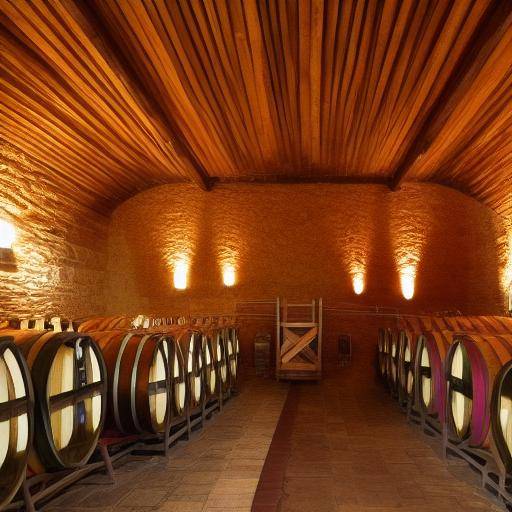
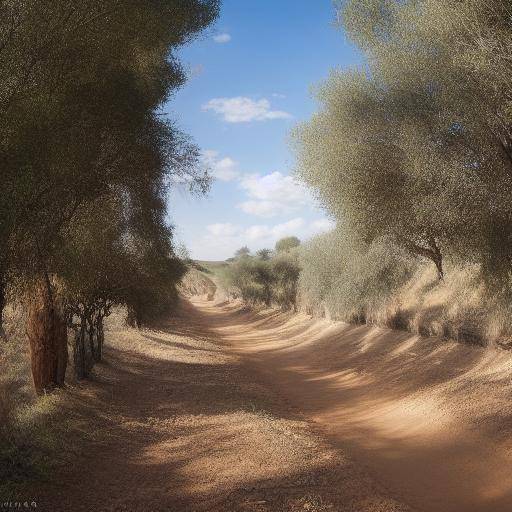
Welcome to the wonderful wine region of Barossa, an essential destination for wine and photography lovers. In this article, we will explore the rich history, natural beauty and photographic capture opportunities offered by this iconic wine region. From its inception to current trends, discover how Barossa and photography merge to provide an unforgettable visual and sensory experience. In addition, we will explore in detail the vineyards that make Barossa a unique place, showing its essence through photography. Get ready to immerse yourself in the magic of the wine landscapes of Barossa!
Introduction
The region of Barossa, located in South Australia, is recognized worldwide for its exceptional quality wines, its beautiful landscape and its rich wine history. From its fertile soils to its centenary wineries, Barossa offers a wide range of elements to capture through photography. In this article, we will explore how photography can capture the essence of this unique place, showing the beauty of its vineyards, the warmth of its people and the passion that permeates every bottle of wine.
History and Background
Origins and Evolution
The winemaking history of Barossa dates back to the nineteenth century, when the first European settlers brought with them the winemaking traditions that have lasted until today. The influence of German and English immigrants is reflected in the architecture of the wineries and the diversity of strains that are cultivated in the region. Over the years, Barossa has faced challenges such as plagues, wars and changes in consumer preferences, but has managed to maintain its prestige as a world-renowned wine region.
Important Milestones
In 1842, the first commercial vineyards were planted in Barossa, marking the beginning of a winemaking tradition that continues to flourish. The foundation of the main wineries and the establishment of wine associations have been significant milestones in the development of the region. The inclusion of Barossa in the list of "Great Wine Capitals" has consolidated its position as a top-level wine destination at the global level.
Deep analysis
Barossa stands out for its world-class red wines, including Shiraz, Grenache and Mourvèdre, as well as its elegant whites like Riesling and Semillion. The combination of fertile soil, Mediterranean climate and the commitment of winemakers to excellence has contributed to the recognition of Barossa as a unique wine region in its genre. Sustainable practices and energy innovation have promoted the quality and reputation of wines in the region.
Comprehensive review
The vineyards of Barossa are much more than simple fields of cultivation; they are a testimony of the dedication and love that the winegrowers and their families have invested in this land. The connection between the amazing landscape and the wine story comes to life through photography, which captures the harmony between nature, man and wine. The evolution of organic and biodynamic viticulture in Barossa shows a continuous commitment to the sustainability and preservation of the natural environment.
Comparative analysis
The photography and the vineyards of Barossa are intrinsically intertwined, as both strive to tell a story through the image. The multiplicity of colors found in the region, from the vibrant hues of grapes to the soft shades of sunset, offers countless opportunities to capture moments that convey unique emotions and stories. In exploring the convergence between photography and vineyards, a world of creativity and artistic expression is opened.
Tips Práct# Barossa wine landscapes: capturing the essence
Welcome to the wonderful wine region of Barossa, an essential destination for wine and photography lovers. In this article, we will explore the rich history, natural beauty and photographic capture opportunities offered by this iconic wine region. From its beginnings to current trends, as well as the impact of photography on the promotion of Baroque vineyards, discover how Barossa and photography merge to provide an unforgettable visual and sensory experience.
Introduction
The region of Barossa, located in South Australia, is recognized worldwide for its exceptional quality wines, its beautiful landscape and its rich wine history. From its fertile soils to its centenary wineries, Barossa offers a wide range of elements to capture through photography. In this article, we will explore how photography can capture the essence of this unique place, showing the beauty of its vineyards, the warmth of its people and the passion that permeates every bottle of wine.
History and Background
Origins and Evolution
The winemaking history of Barossa dates back to the nineteenth century, when the first European settlers brought with them the winemaking traditions that have lasted until today. The influence of German and English immigrants is reflected in the architecture of the wineries and the diversity of strains that are cultivated in the region. Over the years, Barossa has faced challenges such as plagues, wars and changes in consumer preferences, but has managed to maintain its prestige as a world-renowned wine region.
Important Milestones
In 1842, the first commercial vineyards were planted in Barossa, marking the beginning of a winemaking tradition that continues to flourish. The foundation of the main wineries and the establishment of wine associations have been significant milestones in the development of the region. The inclusion of Barossa in the list of "Great Wine Capitals" has consolidated its position as a top-level wine destination at the global level.
Deep analysis
Barossa stands out for its world-class red wines, including Shiraz, Grenache and Mourvèdre, as well as its elegant whites like Riesling and Semillion. The combination of fertile soil, Mediterranean climate and the commitment of winemakers to excellence has contributed to the recognition of Barossa as a unique wine region in its genre. Sustainable practices and energy innovation have promoted the quality and reputation of wines in the region.
Comprehensive review
The vineyards of Barossa are much more than simple fields of cultivation; they are a testimony of the dedication and love that the winegrowers and their families have invested in this land. The connection between the amazing landscape and the wine story comes to life through photography, which captures the harmony between nature, man and wine. The evolution of organic and biodynamic viticulture in Barossa shows a continuous commitment to the sustainability and preservation of the natural environment.
Comparative analysis
The photography and the vineyards of Barossa are intrinsically intertwined, as both strive to tell a story through the image. The multiplicity of colors found in the region, from the vibrant hues of grapes to the soft shades of sunset, offers countless opportunities to capture moments that convey unique emotions and stories. In exploring the convergence between photography and vineyards, a world of creativity and artistic expression is opened.
Practical Tips and Accessible Advice
Photographing the Essence of Barossa
- Find the right light: The quality of the fundamental light in the photography of wine landscapes. The soft light of sunrise or sunset can enhance the warm colors of the vineyards and create a magical atmosphere in your photographs.
- Explore unique angles: Experience with different perspectives to capture the grandeur of the vineyards. Try low angles to highlight the texture of the vines or use a drone to get stunning aerial shots.
- Capture daily life: Do not limit yourself to photographing only the vineyards; look for moments that reflect the life and work of the people who give life to Barossa. From vintage to wine tastings, there are countless opportunities to capture the essence of life in the vineyards.
- Take advantage of the season: Each season offers a unique perspective of the vineyards. From the spring color burst to the golden tones of autumn, each season provides a different visual experience worth capturing.
Industry Perspectives and Expert Reviews
Photography has played a fundamental role in promoting the vineyards of Barossa, allowing wine lovers from around the world to appreciate the beauty and spirit of this region. According to the experts in enological tourism, the captivating images of the vineyards play a crucial role in attracting visitors and promoting the brand of Barossa in the world. In addition, local photographers share their experiences, highlighting the wealth of opportunities for creative photography offered by this unique wine land.
Conclusion
In conclusion, the wine landscapes of Barossa are an inexhaustible source of inspiration for the lovers of photography, as they offer a variety of themes to capture, from the majesty of the vineyards to the warmth of the community that surrounds them. Through the lens of the camera, it is possible to capture the essence of Barossa, transmitting its beauty, its history and its passion for wine. In exploring the relationship between photography, vineyards and the rich history of Barossa, a world of opportunities for creativity and artistic expression is revealed.
Encourage yourself to explore the wine landscapes of Barossa through your lens and discover the magic that only the combination of photography and vineyards can offer!
Frequently asked questions
1. What is the best time of the year to photograph the vineyards of Barossa?
The autumn season, between March and May, offers golden tones and stunning reddishes, while the spring, from September to November, shows the vineyards in full verdant. Both seasons are excellent for photography, depending on the visual effect you want to achieve.
2. Is photography allowed in the Barossa wineries?
Most wineries allow photography, but it is advisable to consult the policies of each establishment before taking photographs. Respecting the norms of each place ensures a pleasant experience for all.
3. Are there specialized photographic tours in Barossa?
Yes, some companies offer photographic tours guided by the vineyards of Barossa, providing photography enthusiasts with the opportunity to capture the most emblematic landscapes in the region.
4. What types of wines are more representative of Barossa?
The red wines, especially the Shiraz, are widely recognized as the most emblematic of Barossa. However, the region also produces high-quality white wines, such as Riesling and Semillion.
5. Is permission required to use drones for air photography in the vineyards?
Yes, permission is required to use drones in Barossa, especially in private areas such as vineyards. It is important to obtain the corresponding authorization before using a drone to capture aerial images.
6. How is the local culture reflected in the photograph of the vineyards of Barossa?
Local culture is reflected in everyday moments captured through photography. From the workmanship in the vineyards to the celebration of festivals and events linked to wine, the culture of Barossa is manifested in every image captured in the region.
Concluding, the photography and vineyards of Barossa offer a unique symbiosis that transcends the words, allowing visitors and wine lovers to immerse themselves in the authenticity and beauty of this region. Attract to capture the essence of Barossa through your lens and let each image tell the story of this extraordinary wine land!