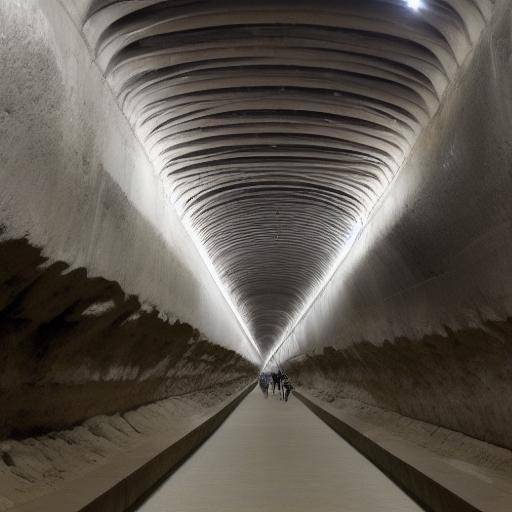

The catacombs, a mysterious network of underground passages that has fascinated humanity over the centuries, have been the scene of a unique and captivating form of art: graffiti and underground sculptures. In this article, we will explore the history, evolution and cultural impact of these artistic expressions in the unmatched context of catacombs. From its origins to current trends, we will unravel the rich relationship between catacombs, art and culture, providing detailed analysis, practical advice, expert insights, case studies and relevant data.
Introduction
The catacombs, as underground labyrinths full of history and mystery, have been the home of artistic expressions dating from ancient times. Over the years, graffiti and underground sculptures have left an indelible mark on the walls and ceilings of these intricate passages, revealing both the artistic skills and the stories of the civilizations that inhabited them.
In this article, we will immerse ourselves in the underground world of catacombs to explore how art, in the form of graffiti and sculptures, has played an essential role in cultural and social expression throughout history. From the history and background of catacombs to the current challenges and future predictions, this tour will lead us to understand the indissoluble relationship between catacombs, art and culture.
History and Background
The catacombs, with their sinuous corridors and secret chambers, have been silent witnesses of centuries of history. They go back to antiquity, when prehistoric civilizations created underground wonders, and have been used by multiple cultures throughout time as places of burial, shelter and sometimes resistance.
The underground art, in the form of graffiti and sculptures, has left its imprint on these labyrinths hidden since time immemorial. From rupest inscriptions to elaborate paintings and statues, art in catacombs is a living testimony of human creativity in unique conditions.
Deep analysis
Benefits of Art in Catacombs
Art in the catacombs has played a crucial role in preserving the history and culture of the communities that inhabited them. Artistic representations have provided scholars with an indisputable window to the past, allowing them to decipher customs, beliefs and historical events that otherwise would have been lost in time.
In the artistic sphere, these underground expressions have opened a vast canvas for human creativity, challenging the physical and social limitations imposed by the environment. Anonymous artists have used catacombs as a clandestine gallery, bringing their art to a select audience that ventures into the depths of the earth.
Current Challenges and Trends
However, art in catacombs faces challenges in the modern world, from the deterioration of paintings and sculptures due to exposure to time and humidity, to protection against vandalism and looting. The art industry and conservationists face the challenge of preserving these underground expressions for future generations, while balancing the need to give access to the public and foster artistic education.
Current trends show a renewed interest in the conservation and study of art in catacombs, with technological advances that allow detailed documentation and analysis of these works. Cultural institutions and art enthusiasts are working together to promote the preservation and dissemination of this unique heritage, creating a renewed awareness of the importance of art in catacombs.
Comprehensive review
Applications and Best Practices
Art in catacombs is not only a historical treasure, but also an inexhaustible source of inspiration for various artistic disciplines. Many contemporary artists are attracted by the unique nature of the catacombs to create works that dialogue with their underground environment, merging the historical legacy with the creativity of the present.
Expert Perspectives and Future Prevention
The analysis provided by conservation experts, archaeology and fine arts opens the door to a complete picture of the challenges and opportunities surrounding art in the catacombs. His views on the importance of preserving these artistic expressions, while guaranteeing their controlled access, constitute an invaluable guide to safeguarding this cultural heritage.
Comparative analysis
Catacombs, art and culture converge in a unique framework, where the lines between history, artistic expression and cultural identity are diffused. Art in catacombs has served as a bridge between different cultures and eras, revealing both the differences and the similarities that unite humanity through time.
Practical Tips and Accessible Advice
- Sustainable conservation: Promote the sustainable preservation of art in catacombs, considering the implementation of conservation measures and the development of non-intrusive technologies for their study.
- Education and Awareness: Promote educational and cultural outreach programs that bring the public closer to the artistic wealth of the catacombs, highlighting its historical and cultural importance.
- Interdisciplinary collaboration: Encourage collaboration between artists, historians, conservationists and authorities to ensure a holistic approach to the preservation and dissemination of art in catacombs.
Industry Perspectives and Expert Reviews
To understand in depth the impact of art on catacombs, it is essential to listen to the voices of industry experts and their analysis. By gathering information from various sources, a complete and balanced view of the challenges and opportunities surrounding this unique art can be achieved.
Case Studies and Applications in Real Life
Through case studies and concrete examples, it is possible to illustrate the relevance and impact of art on catacombs today. These real stories offer an authentic look at how underground artistic expressions continue to inspire, challenge and enrich our understanding of the past and the present.
Future Trends and Predictions
Emergency of New Forms of Underground Art
With the advancement of technology and the changing cultural perspectives, new forms of underground art are likely to develop in the catacombs. From interactive installations to digital projections, the art in catacombs can experience a revitalization that combines the traditional with the contemporary.
Challenges and Opportunities
Addressing the challenges of the preservation and promotion of art in catacombs, while taking advantage of opportunities to expand its scope and meaning in modern society, will open a new chapter in the history of this cultural heritage.
Conclusion
In short, art in catacombs has represented an immense cultural treasure that spans centuries of history, creativity and meaning. From their humble beginnings in the depths of the earth to their impact on current society, these underground artistic expressions have given us a unique window to human imagination and the cultural richness of past civilizations. As we look to the future, it is imperative to continue to promote the preservation, study and appreciation of art in catacombs, ensuring that these expressions perish for future generations.
FAQs
P1: What is the difference between art in catacombs and conventional art?R1: The art in catacombs is distinguished by its unique underground environment, which has influenced the techniques used and the interaction with the physical space.
P2: What challenges does the preservation of art face in catacombs?R2: The conservation of art in catacombs faces challenges such as humidity, vandalism and natural deterioration, which require specialized approaches.
P3: What is the cultural importance of art in catacombs?R3: Art in catacombs is fundamental to understanding the history, beliefs and cultural practices of civilizations that created it.
P4: How can catacombs be accessed to appreciate art?R4: Many historical catacombs are open to the public to be visited and appreciate art in a controlled and respectful way.
P5: What is the impact of art on catacombs in contemporary society?R5: Art in catacombs generates renewed interest in the history and preservation of cultural heritage, contributing to a greater appreciation of art in general.
P6: What technological innovations are being applied for the preservation of art in catacombs?R6: Laser scanning technology, environmental monitoring and digital documentation are used to preserve and study art in catacombs.
With each answer provided, we dive deeper into the understanding of art in catacombs, its impact on culture and the preservation of this invaluable heritage.
As we reflect on the intersection between catacombs, art and culture, it is clear that these underground expressions continue to inspire, challenge and enrich our understanding of the past and the present. Ultimately, art in catacombs is a timeless testament to human creativity and cultural wealth that transcends the barriers of time and space.