Introduction
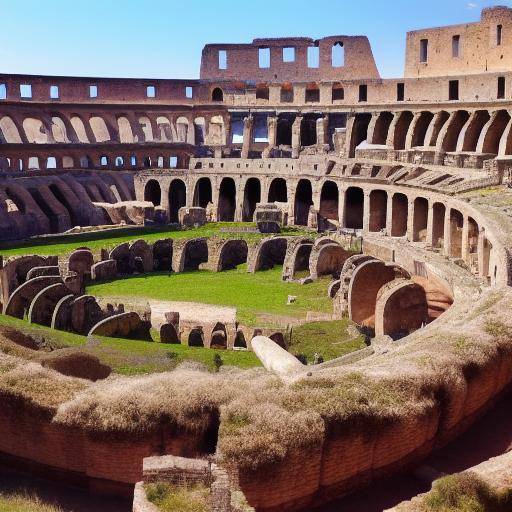
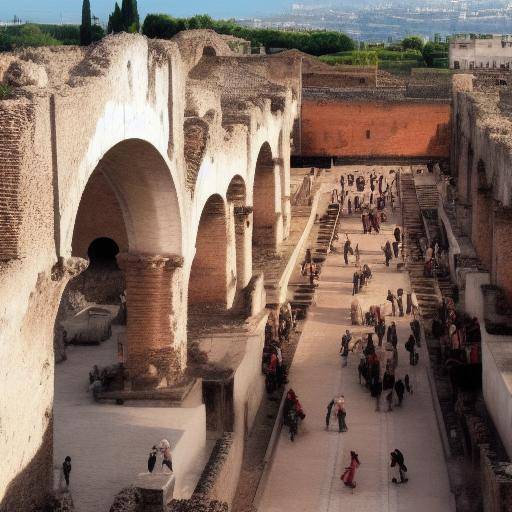
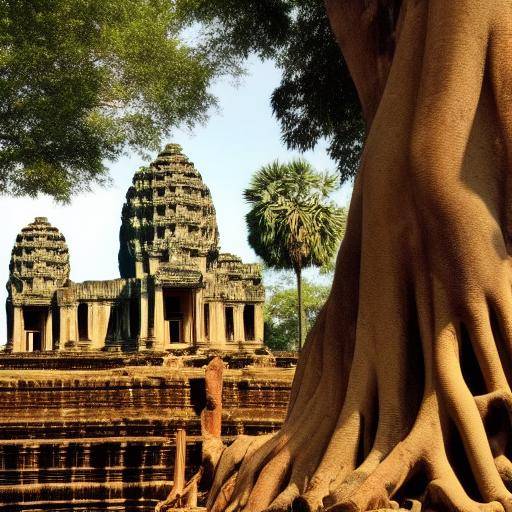
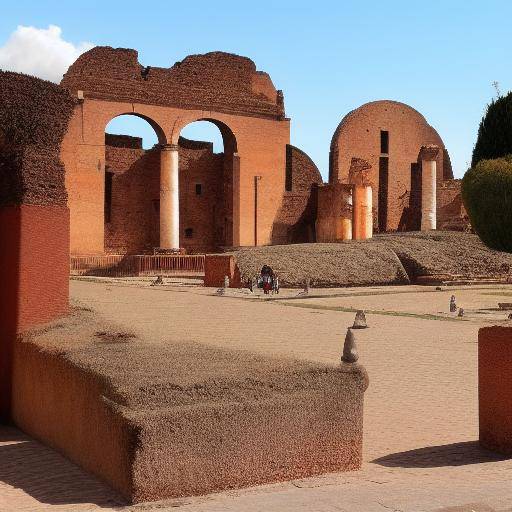
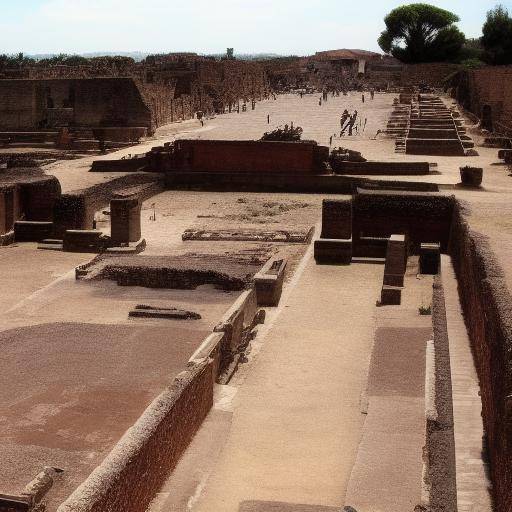
Asia, a continent rich in culture and tradition, hosts countless archaeological wonders that transport us to ancient times and reveal the intricate history of humanity. In this article, we will explore the fascinating excavations, monuments, and traditions that testify to past civilizations in Asia. From the Great Wall of China to the temples of Angkor Wat, we will enter a journey into the past to discover the secrets buried under the depths of the earth. Prepare for a journey where you will witness the wonders that shine through time.
History and Background
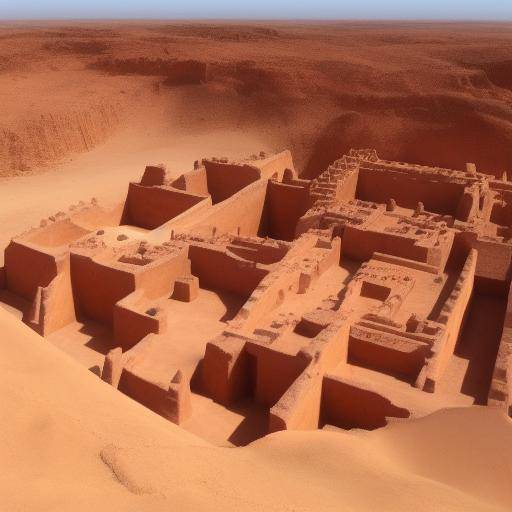
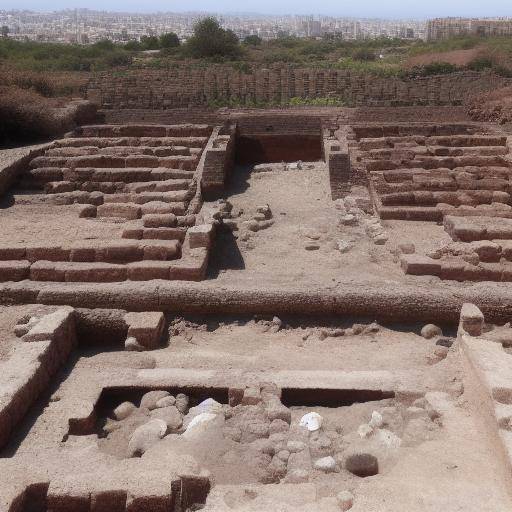
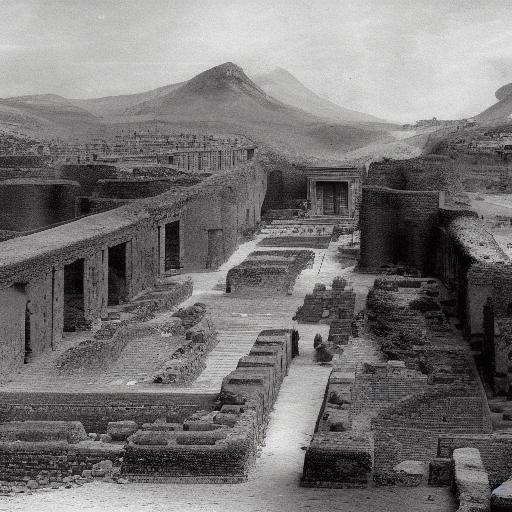
Asia has a rich and diverse history dating back to thousands of years. From ancient Mesopotamian civilizations in the Middle East to Chinese dynasties and the kingdoms of Southeast Asia, the continent is impregnated with history. Archaeological excavations in places like Mohenjo-Daro, the ancient city in the valley of the Indo, offer a privileged view of life in the era of the splendor of the civilization of the valley of the Indo. The discoveries in these areas provide valuable insights into the social organization, urban development and commercial interactions of these societies.
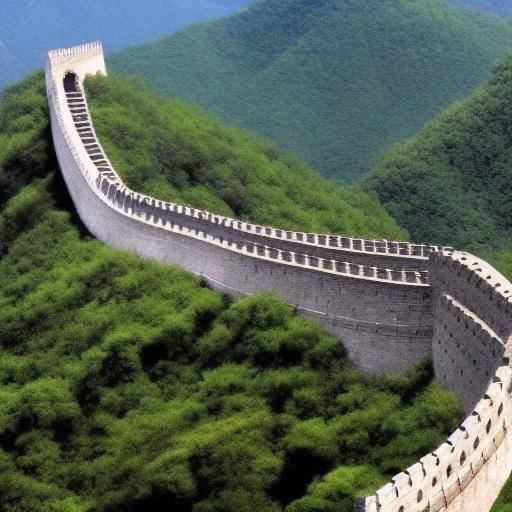
The Great Wall of China, a monumental feat of engineering, is another tangible testimony of the glorious past of Asia. This imposing structure, which extends over thousands of kilometres, represents one of the most impressive architectural wonders in the world and a celebration of human capacity to perform colossal works.
Analysis in Deep
Archaeology in Asia not only reveals the greatness of the past, but also poses unique challenges. The preservation of these historic sites often faces threats such as urban development, pollution, and mass tourism. Careful management and effective protection of these cultural treasures are crucial to their survival over time.
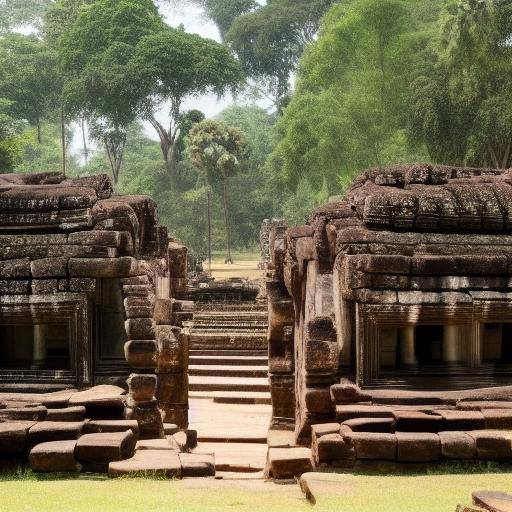
In analyzing the historical context, it is important to consider how ancient civilizations influenced the formation of today. The influence of ancient Asian traditions remains palpable in contemporary practices and beliefs. For example, Buddhism, originally from India, has left a deep mark in the region and its archaeological remains, such as the temples of Bagan in Myanmar, keep their spiritual heritage alive.
Comprehensive review
Archaeology provides a deeper understanding of the roots of Asian societies and contributes significantly to global cultural heritage. However, despite conservation efforts, challenges persist. The struggle to preserve the historical legacy entails the responsibility of current and future generations, as these sites are invaluable heritage of humanity.
A comparative approach between the different regions of Asia reveals the diversity of archaeological approaches and stresses the importance of contextualizing history from multiple perspectives. From the ancient civilizations of the Indo Valley to the cultural influences in the Far East, each region offers a unique story waiting to be deciphered.
Conclusions and FAQS
In conclusion, the archaeological wonders of Asia are treasures that deserve to be protected and celebrated. From imposing monuments to everyday artifacts, each archaeological find reveals crucial chapters in the history of humanity.
FAQs
- What are some of the most outstanding archaeological sites in Asia?
- What is the cultural importance of preserving these archaeological sites?
- How has archaeology influenced the understanding of Asia's history?
- What are some of the current challenges facing archaeology in Asia?
- How does archaeology contribute to the understanding of ancient societies in Asia?
- What role does archaeology play in promoting cultural tourism in Asia?
I hope this article has helped you discover Asia's rich history and fascinating archaeological wonders!